Here you will find some short biographies (biogz) of solo artists whose surname commences with this letter or bands with names commencing with this letter (omitting any commonly used prefix such as 'The').
Click on the name below or scroll down the page at your leisure.
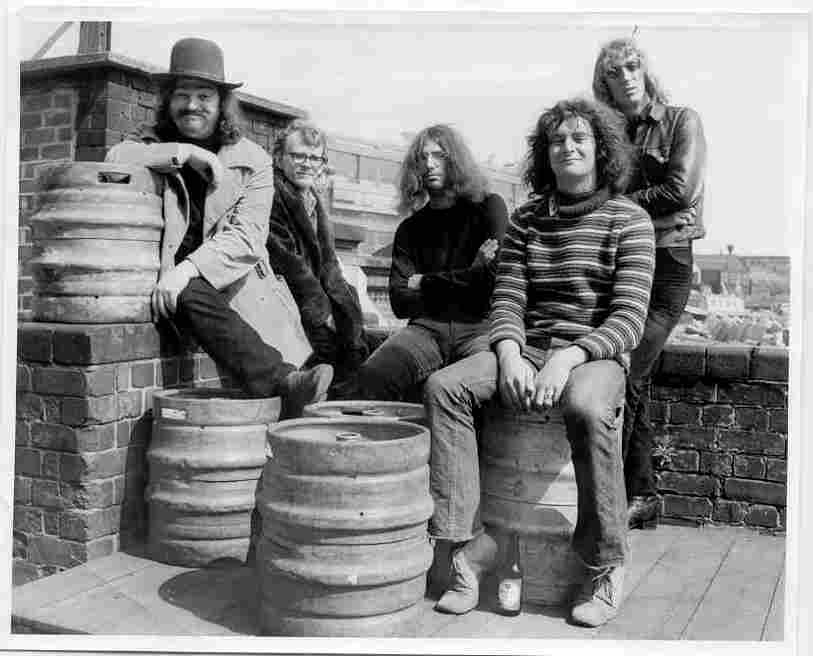
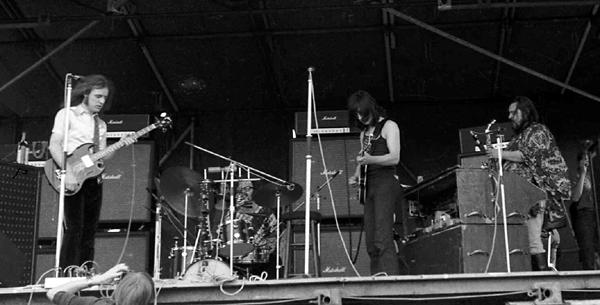
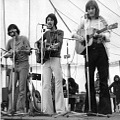
Pic from the 'Magic Christian Music' songbook Thanks to Dan Matovina, photography by Tom Hanley
Pete Ham - guitar, vocals Joey Molland - guitar, vocals Tom Evans - bass, vocals Mike Gibbons - drums
Other members have included: David Jenkins - guitar Ron Griffiths - bass, vocals Bob Jackson - keyboards Kenny Harck - drums Joe Tanzin - guitar Andy Newmark - drums Tony Kaye - keyboards Glenn Sherba - guitar Richard Bryans - drums Randy Anderson - guitar A.J.Nicholas - drums
Tragic is a term probably most often attributed to the history of Badfinger. They had such an auspicious start in Swansea (Wales UK) in 1967 followed by the kind of success most bands can only dream of, then luck deserted them.
Many connections they would have with The Beatles began in After signing a deal with The Beatles' Apple label their first single was the UK number four hit 'Come And Get It' which Paul McCartney wrote about financial wranglings inside the Apple organisation. Their first album 'Straight Up' in 1971 was co-produced by George Harrison while Tom Evans & Joey Molland played on John Lennon's timeless album 'Imagine' in that same year.
Incredibly, Ham and Evans are often overlooked as songwriters because of the Beatles connections, though if ever their talents needed proving one needs look no further than the song 'Without You' which they wrote for the 'No Dice' album (often cited as their best) and became a massive international hit (and UK #1) for the late Harry Nilsson in 1972. It was subsequently reissued in 1976 and 1994 achieving positions 22 & 47 respectively.
They moved from Apple to Warner Bros following their manager's successful negotiation of a multi-million pound deal. The band released 'ASS' & 'The Badfinger Album' soon thereafter. Things then began a downward spiral as the full extent of their inexplicable financial position became clear and personal tensions came to the fore. The next Warner's album 'Head First' was never released. In early 1975 Badfinger's contract with Warner Bros was terminated and on Wednesday 23rd April 1975, in despair at the turmoil within and around the band, Pete Ham hanged himself in his garage at home in London. A suicide note blamed the band's business manager Stan Polley.
Evans & Molland rebuilt the band in 1978 with Tony Kaye from Yes (Keyboards) and Peter Clarke (the drummer from Stealers Wheel) resulting in two albums, 'Airwaves' and 'Say No More' in 1981. Soon thereafter Evans and Molland left following angry disagreements the same year, and for two years, two bands, both called Badfinger competed for attention.
Unbelievably, tragedy was not finished with them as, on Saturday 19th November 1983 there was a heated argument on the telephone between Molland & Evans, reportedly about the division of publishing royalties for 'Without You'. Later that same day, Evans too hanged himself in his garden, eight years and seven months after Pete Ham!
Molland, Gibbins and Jackson reformed to play some U.S. dates in August 1984 with some other bands to celebrate the 20th anniversary of the British Pop Invasion of America and in 1986, Molland and Gibbins toured once more until Gibbins left in 1990. Joey Molland still tours in the U.S. with the name ‘Joey Molland's Badfinger’ and has recorded solo albums.
A Badfinger convention in Swansea in June 2006 included appearances by Jackson, Griffiths, and several surviving family members of Ham, Evans and Gibbins (who died at home in Florida in 2005).
Aly Bain (Dr. Aly Bain MBE) is Scotland's supreme traditional style fiddler. His playing is unique - driving, impassioned and pure - with vibrant, unmistakable tone that has earned him a following of ardent fans throughout the world. Born in Lerwick, Shetland in 1946 Aly began playing the fiddle at the age of eleven. In his early twenties, Aly headed to mainland Scotland. His dramatic playing, with great tone and technical ability brought early recognition as an outstanding musician of the folk music revival, and almost overnight, raised the level of expectation for music lovers throughout the country.
To quote Billy Connolly of these early days, 'I had never heard the clarity of tone or the beauty. ...I had never heard the passion.'
Aly embarked on a life of intensive playing, recording and travel that continues to this day. He helped establish the folk band Boys of the Lough with whom he toured extensively and recorded for many years. Simultaneously, Aly pursued a solo career in collaborative and television projects. In addition to his solo albums he has appeared on albums by 'Hue and Cry', Eddie Reader, Richard Thomson and 'Fish'.
Although Aly's musical base is in Scotland his extensive travels have led to an appreciation and mastery of many kinds of music. He has applied this knowledge to the production of several networked television series bringing traditional music to a constantly widening audience, including the renowned series 'Down Home', which has now reached almost cult status across America, the internationally famous 'Shetland Sessions' and 'Transatlantic Sessions 1 & 2.' The Transatlantic format was revived, with great success, at this year's Celtic Connections Festival, Aly co-producing with Jerry Douglas.
Aly's collaboration with Norwegian composer Henning Sommero and the Scottish Ensemble saw the release of the widely acclaimed album 'Follow the Moonstone'. His most recent collaboration with Swedish multi-instrumentalist Ale Moller, created the album 'Fully Rigged'- a celebration of shared Nordic heritage.
Aly has received many honours for his services to music, including four Doctorates and an M.B.E., and numerous Honorary Citizenships in the USA. He continues to be an ambassador for Scotland abroad and a powerful advocate for traditional music.
His teaming up, star collision, with brilliant accordionist/composer Phil Cunningham has added yet another dimension of appreciation for audiences everywhere. They have toured and recorded together since 1988 and to date they have recorded four albums, released on Aly's own record label Whirlie Records.
Additionally, in the early 1970s, Aly worked for about three years in a duo with amazing flat-pick guitarist Mike Whellans who played the ballroom thirteen times between 1969 & 1978.
Kenny Ball – trumpet John Bennett – trombone Dave Jones – clarinet Ron Weatherburn – piano Paddy Lightfoot – banjo Ron Bowden – drums Vic Pitts – bass, bass guitar
Trad/Dixieland Jazz trumpeter and bandleader Kenny Ball was born on 22nd May 1930 in Ilford, Essex in the UK.
He ‘came up through the ranks’ to form his first band in 1958 and his ensemble swiftly became the most successful, enduring, perhaps more accessible, face of the sixties popular jazz movement to hit our radio broadcasts but more significantly, our mainstream TV entertainment programmes including appearances on every one of series 1-6 of ‘The Morecambe and Wise Show’.
They hit the UK chart fourteen times between 1961 and 1967 (all for the Pye label) making them the most charting jazz musicians ever, starting with ‘Samantha’ (#13) and finishing with a cover of The Beatles’ ‘When I'm Sixty Four’ (#43), narrowly missing a #1 with ‘Midnight In Moscow’ (which saw #2 in both the UK and US charts simultaneously) also in 1961.
A gauge of their popularity and indication of just how far they had pushed back the boundaries of where Jazz met Pop was seen in 1962 when he appeared with Cliff Richard, Brenda Lee, Joe Brown, Craig Douglas and Frank Ifield on the front cover of the popular music weekly newspaper The New Musical Express (NME).
A collaboration album with two contemporaries, Chris Barber and Acker Bilk however, did see the top spot in September 1962 with ‘The Best of Ball, Barber and Bilk’.
In 1963 he was the first British Jazz musician to be gifted honorary citizenship of New Orleans.
His personality and quickly recognisable thick black moustache together with his smooth melodic delivery was a killer combination for an otherwise traditionally niche musical interest at the time. While the cliquey purists ‘tutted’ disapprovingly at his populist stylings, he opened the cob-webbed doors of Jazz to the men, women and children of the street and invited them in to buy and elevate his records to chart positions others would never see and after the chart successes stopped Kenny kept on playing and still does today.
Bananarama formed and based in London and became the most successful British girl-group in pop history. Their name was an amalgam of the popular children's television program, ‘The Banana Splits’ and ‘Pyjamarama’ the number 10 UK chart hit by Roxy Music. Friends Keren Woodward and Sarah Dallin joined with fashion college student Siobhan Fahey in 1981.
Ex Sex Pistols drummer Paul Cook, produced their first single, ‘Aie A Mwana’ and a mutually fruitful collaboration followed when the group provided backing vocals for the Fun Boy Three on the single ‘It Ain't What You Do, It's the Way You Do It’. Later The Fun Boy Three did similar duty on ‘He Was Really Sayin' Somethin'.
Between 82 and 93 their eleven-year UK chart lifespan would year produce 27 hits including ten top 10s (some aided by Stock, Aitken & Waterman) though without a number 1.
Siobhan’s marriage to Dave Stewart of The Eurythmics in 1987 just preceded her departure in 1988 and Jacquie O’Sullivan replaced her until 1991 when she left after the release of the Pop Life album produced by Youth (of 'Killing Joke'). The remaining duo produced two more albums then called it a day.
Robert Plant - Vocals Kevin Gammond - Guitar, Vocals Chris Brown - Keyboards Paul Lockey - Bass, Vocals John Bonham - Drums
Formed in West Bromwich, Birmingham in 1966 and featured several different line-ups. The final one with John Bonham was perhaps the most successful though recording contracts for their blues and soul mix evaded them. Interestingly Noddy Holder of Slade was their roadie!
In 1968 Plant left to join Jimmy Page & John Paul Jones to form Led Zeppelin. John Bonham was recruited some months later.
Band of Joy reformed in 1977 with original members Lockey & Gammond and split again in 1983 after two albums.
Stuart Morrison - vocals, dancer Lyndon Lloyd - vocals, dancer
Male covers duo formed while they were college mates at Italia Conti Academy of Theatre Arts in London where they both trained for musical theatre but had ambitions to work in pop music. The name came from a fun gimmick they cooked up to give away bandannas at gigs. They released a version of Donna Summer's 'Love's Unkind' / 'Love's Unkind (instrumental)' on 7" & 12" vinyl in 1990 on Daytone Records. Unfortunately the record wasn't printed the week of release so no-one could buy it!
The band toured extensively in the UK and also appeared on many childrens' TV shows and pop programmes including the Radio One Road Show and a week with Lizzie Webb on TV-AM and running a dance team for the Telethon-1990, which was followed by a tour covering most of Greece with Michalis Raganis - the Greek counterpart to Phil Collins! They released various ethnic singles in Greek while there as well as Eurovision for Cyprus ...
The band split in 1994 due to frustrations with seeking a second release.
Stuart went back into theatre and did west end shows like '7 Brides for 7 Brothers', 'Joseph', 'Me and My Girl', 'Rocky Horror' then became a theatre producer and he still is. Lyndon started choreographing and is now one of the top in the UK for events and pop promos. Stuart's company is the Theatrical Emporium and Lyndon has United Productions. They are still the best of mates.
American band led by Johnny Johnson who subsequently called themselves Johnny Johnson and the Bandwagon. They had 2 minor hits in 1969 with "You" and "Let's Hang On" and more success in the early 70s with "Blame It On The Pony Express" and "Sweet Inspiration", but this was their finest moment, and the song was later covered by Dexy’s Midnight Runners on the b side of their #1 hit "Geno".
If you can add any further information to this piece please contact me here.
UK jazz trombonist, songwriter and bandleader Donald Christopher Barber was born on 17th April 1930 in Welwyn Garden City, Hertfordshire, England.
After attending the Guildhall School of Music, he formed his first band, ‘Barber New Orleans Band’ in 1949 at the age of 19 and four years later in 1953 he joined forces with trumpeter Ken Colyer to form Ken Colyer's Jazzmen in 1953 with Monty Sunshine (clarinet), Lonnie Donegan (banjo & guitar), Jim Bray (bass) & Ron Bowden (drums) playing Dixieland jazz, ragtime, swing, blues and R&B.
Lonnie of course would go on to have a huge career as ‘The King of Skiffle’ and the monster hit ‘Rock Island Line’.
When Ken was replaced with Pat Halcox, Chris Barber's Jazz Band was created in 1954 and joined shortly after by blues vocalist Ottilie Patterson, who later became Chris'’ wife.
In 1959 they recorded a version of ‘Petite Fleur’ which spent 24 weeks in the UK chart, peaking at #3 and earning them a gold disc for more than one million sales!
This period of Chris’ career is often cited as providing inspiration for such luminaries as Alexis Korner and John Mayall and subsequently, Peter Green, Eric Clapton and The Rolling Stones.
The band later became simply ‘The Chris Barber Band’ in 1964 with the introduction of John Slaughter (shock, horror … a guitarist) before ‘Chris Barber’s Jazz & Blues Band’ in 1973 and in 2001 with additional personnel, they renamed once more to ‘The Big Chris Barber Band’.
Having performed over 10,000 concerts and made thousands of recordings there’s no end in sight.
Edinburgh-based (Leith-bred), singer and comedian Bill Barclay has learned his trade over years of hard and, for audiences world-wide, extremely entertaining work. Bill is second-to-none with the comic's stock-in-trade, "one-liner", and has compered many events drawing upon his immense fund of "cracks" as well as taking the stage in his own right to produce side-splitting responses world-wide.
During an illustrious career spanning more than 30 years, Bill Barclay has toured in more than fifteen countries around the world including ... Abu Dhabi America Ascension Island Bahrain Canada Dubai Falkland Islands Germany Gibraltar Guernsey Hong Kong Jersey Kuwait Oman Quatar Saudi Arabia and, he even had them rolling in the aisles in Iraq!
In the 1970s Bill Barclay toured with the big boys of rock. In 1974 he supported Rod Stewart on his British tour. That was followed by a one-night stand in Edinburgh's 3 000-seat Playhouse Theatre supporting Elton John and a Glasgow Apollo gig with Bill Haley. Then then there were three nights in London's Theatre Royal with Dusty Springfield. He has taken the stage in front of audiences exceeding 50,000 in three major rock festivals, at Reading, White City and Lincoln.
Of course, in addition to the jet-setting, Bill Barclay is very well-known back home here in Scotland where he has appeared in countless golf-clubs, smokers, rugby clubs, bowling clubs, folk clubs, concerts, and festivals, and at special dinner functions for every conceivable organisation.
Bill's acting roles on various UK television channels have seen him appearing in plays and soap operas including ...
Sense Of Freedom; Down Where The Buffalo Roam; Shoot For The Sun; Gunfight At The Joey Kaye Corral; Down Among The Big Boys (as the police sergeant); Taking Over The Asylum (award winning BBC TV Scotland series)
Bill can be regularly seen in his sergeant's uniform popping up in Taggart (Scottish Television) and Rab C. Nesbitt (BBC TV Scotland). Over the years he has played various characters in Take The High Road (Scottish Television), in which he has now a regular part as the local bobby.
For the past 20 years Bill has presented his own radio show on Edinburgh's premier commercial radio station, Radio Forth. He is currently the lunchtime show presenter on Forth's Max AM station from1200 - 1400 Monday to Saturday.
Stewart (Wooly) Wolstenholme – keyboards & vocals John Lees - guitar & vocals Les Holroyd - bass, guitar, keyboards & vocals Melvyn Pritchard – drums, percussion
Kevin McAlea - keyboards Colin Browne - guitar, bass, keyboards & vocals Bias Boshell - Keyboards
Barclay James Harvest formed in Saddleworth (now in Oldham, Greater Manchester) from two other bands: 'Heart and Soul and The Wickeds' & 'The Keepers' (who had been 'The Sorcerers) in the Summer of 1967. Members of each outfit came together in 1966 and were initially known as 'The Blues Keeepers' then they turned professional, changed their name & signed to Harvest Records who specialised in prog rock & it’s derivatives.
They released three singles, one E.P. and ten UK chart albums and are hugely popular in Germany.
In 1971 they supported Alexis Korner at the ballroom while they were supported by 'The Change' when they returned in 1972.
Ricky Barnes was a Scottish tenor saxophonist who featured in several dance bands in Glasgow. He was a member of 'The Beavers' & 'The Wee Band' (Stevie O'Neill - vocals, George Scott Henderson - piano, Jimmy Bell - bass & Jackie Holden - drums).
'Ricky Barnes All Stars' are credited with being Scotland's first ever rock 'n' roll group and I do not yet know if this name was adopted before or after their ballroom appearance as 'Ricky Barnes & His Rock 'N' Roll Group' but it was around that time frame.
He would later form 'The Beat Brothers' (Ricky Barnes - saxophone, Roy Young - organ, Colin Milander - guitar and Johnny Watson - drums). They are credited as playing in support of Tony Sheridan on some recordings made in Hamburg in 1962/3 including 'What'd I Say', 'Ya Ya' & 'Let's Dance'.
Sadly Rikky passed away in October 2016.
If you can add any further information to this piece please contact me here.
Duke D'Mond (aka Richard Palmer) - vocals Barron Anthony (Anthony John Osmond) - guitar, vocals Jud Hawkins - guitar, vocals Peter (P'nut) Langford - bass, vocals Dave Ballinger - drums
‘The Barron Knights’ were originally formed as 'The Knights of the Round Table' in 1959 in Leighton Buzzard in the UK and changed their name to ‘The Barron Knights’ on October 5th 1960. They began life and toured English dancehalls and ballrooms for a couple of years as a regular beat/pop group much like the myriad others at that time, learning and growing their trade as they developed along the way and they were amongst the British invasion of German clubs especially Hamburg where real talents were either discovered or crushed.
Later they would become one of the very few bands to tour with both the Beatles and the Rolling Stones and Bill Wyman has stated that seeing them live inspired him to take up the bass guitar.
Gradually they found that their natural friendly humorous nature came across well and that occasional forays into comedy parodies were becoming more popular with audiences than their straight pop covers and over a short period the act developed more along the lines of family entertainment than of music performance.
It became very clear that this was their destiny when their first UK single ‘Call Up the Groups’ (1964) entered the UK chart top ten and peaked at #3. It consisted of a medley of contemporary tunes by ‘The Searchers’, ‘Freddie and the Dreamers’, ‘The Dave Clark Five’, ‘The Bachelors’, ‘The Rolling Stones’, and ‘The Beatles’ with the original lyrics altered to suggest the band members were to be conscripted to UK military service (although conscription had ended some four years earlier).
They toured extensively with many very big stars such as Petula Clark and they eventually had some 13 UK hit singles between 1964 and 1983. Other top ten hits included ‘Pop Go the Workers’ (1965) #5, ‘Merry Gentle Pops’ (1965) #9, ‘Under New Management’ (1966), ‘Live in Trouble’ (1977) #7, ‘A Taste of Aggro’ (1978) #3 (over one million sales).
Sadly, Duke D'Mond (aka Richard Palmer) died in 2009 and now a four-piece, Peter Langford is the only original member and they continue to tour the seaside family entertainment and nostalgia circuits.
Formed in Dundee by Allan Barty in 1966 before playing with ‘The Inn Folk’, he later appeared on television and in radio broadcasts and toured with Tommy Makem & Liam Clancy. One album 'Barty's Bow' was released in 1980 on Kettle Records.
If you can add any further information to this piece please contact me here.
Derek Longmuir - drums Alan Longmuir - bass Nobby Clarke - vocals John Devine - guitar
Eric Faulkner - guitar Leslie McKeown - vocals Stuart Wood - guitar
Also: Greg Ellison - guitar Keith Norman - organ Mike Ellison - vocals Davie Paton - vocals Billy Lyall - organ Archie Marr - organ & vocals Ian Mitchell - drums Pat McGlynn - drums
The Bay City Rollers played the ballroom 12 times!
They were an Edinburgh pop/rock band that began to take shape, in the mid sixties, when they were known as The Saxons. Playing local gigs in and around the Edinburgh area, they had a large turnover of members before drummer Derek Longmuir and his bass-playing brother Alan teamed up with singer Nobby Clarke and guitarist John Devine. Previous members included: Neil Porteous (guitar) & Dave Pettigrew (organ).
Wanting to change their name to something that sounded more "American", their new manager (Tam Paton) decided to stick a pin in a map of the United States to help them choose a new handle. The first attempt landed in Arkansas, but wanting something sexier, the next nearest place that appealed to them was Bay City, Michigan. The suffix "Rollers" was added and the new name was complete.
A local musician wannabe with The Crusaders, Tam Paton, was able to get them gigs in the Edinburgh area through his contacts & fell into the position of their manager. The band was getting a lot of good exposure in their native Scotland (including a Sunday night residency at Edinburgh's 'Top Storey') and further into northern England. As word spread, their reputation grew, and Dick Leahy, boss of Bell Records, was invited by Paton to see the band in action (while he was fogbound at Glasgow Airport). Leahy later admitted, it was the reaction of the fans that impressed him, as the sheer hysteria meant he couldn’t hear a thing the band was playing. He signed them to his Bell label without hearing them play a note.
Jonathan King was brought in to produce the group’s first single, a cover of the 60s Gentrys' hit 'Keep On Dancing', which climbed to #9 on the UK chart in late 1971. Despite the success of their first attempt, the next three releases were all duds. "Manana", "We Can Make Music" and "Saturday Night" all failed to put the Rollers back on the chart. By now, the members were becoming discouraged and in June 1972, guitarist Eric Faulkner was added to the line-up. In January 1973, singer Leslie McKeown and guitarist Stuart Wood replaced Clarke and Devine, stabilizing the quintet's line-up.
Paton sent out postcard photos of the band to fan clubs and pop magazines in a bid for publicity, and a striking change of image occurred when the band adopted the tartan patterns of their country, added to shirts and half-mast trousers and scarves. The Rollers had one last shot at the big time as Bell allowed them one more single before their contract expired.
In February 1974, a song called "Remember" was released and climbed to #6 on the U.K. charts and stayed there for a 3 month run. The next time out, the follow-up was the powerful "Shang-A-Lang", an early Rollers anthem, and it made it to #2 in the U.K. It’s at this time that they played their 12th and last Kinema Ballroom show on Saturday 25th May 1974. With more radio play, The Bay City Rollers were introduced to the rest of the country. They were now hot, photogenic, accessible, and well marketed. Success this time had come with the all-important follow-up hit. Striking while the iron was hot, "Summerlove Sensation" was issued and peaked at #3 in July '74. October saw the release of "All Of Me Loves All Of You", which climbed to #4 in the U.K. It was the band's 4th top ten hit in a little over 7 months.
Around this time cracks began to appear in the Roller veneer. McKeown killed an elderly pedestrian in his car (a yellow Mustang I think) and was charged with firing an air-rifle at a persistent fan, while both Longmuir & Faulkner allegedly attempted suicide.
By now the group had struck a chord with young teenagers and pre-pubescent fans in search of pin-up pop stars. Merchandise was flying off of the shelves, and their faces were featured on teenaged magazine covers and TV shows. Privately however, the Rollers were none too happy. Their last single was branded by the band itself as "rubbish teeny fodder", and they had wanted the B side, "The Bump" as the A side. The Bump was a dance craze doing the rounds at that time.
It also came to light around this time that it wasn't just the Rollers that sang and played on their records. This was true, but mainly because of the time involved hiring studios and the expense, it was cheaper and more efficient to hire session men, with a bit of the Rollers dubbed in here and there. In light of this, the band ditched their producers, Martin & Coulter and hooked up with Phil Wainman. This was a huge gamble as Martin & Coulter had, as some perceived "made the Rollers" and wrote all four of their 1974 hits. Also at this time, the debut album "Rollin’" was released, which included the first 3 hits of '74 along with some other Martin/Coulter songs. Though rushed and not entirely to the satisfaction of the band, Rollin’ went to number one and stayed on the album chart over a year.
By spring of 1975, the Rollers were the hottest act in Britain, and announced their next single, a cover of the Four Season’s "Bye Bye Baby". Eliminating studio sessions ensured that from now on, every bit of music would be the Rollers and not outside session men. The single climbed to #1 in March '75 and stayed an incredible 6 weeks at the top, selling an astonishing one million copies.
Amid frenzied scenes, sell-out tours, and fan mania not seen since the Beatles heyday, the press dubbed it "Rollermania". England was awash with tartan, and the press couldn’t get enough of them. Sadly, the downside of all this fervour caused mayhem and a trail of destruction. Concerts were often stopped or cancelled altogether because of fan hysteria. A security man was killed as he suffered a heart attack while trying to control crowds.
The follow-up single, "Give A Little Love" in July '75 reached #1 for 3 weeks, as did the second album "Once Upon A Star". It seemed like the band couldn’t do any wrong as they brought Britain to a standstill. But by this time, the Rollers were trying to grow up, personally, spiritually and artistically. They ended 1975 with the much harder "Money Honey" and saw it climb to #3 in November. Their next objective was to have a hit record in The United States.
The Rollers were introduced to America on "Saturday Night Live", singing their failed '73 single "Saturday Night". The tune climbed the U.S. chart in late '75 and hit the #1 spot in January '76. The Rollers were on top of the world. The scenes previously witnessed by UK fans were now repeated in the States and Canada, thanks to an even more exhausting schedule of promotions, recording, TV, and magazines. They repeated their success in Australia, as they continued their quest for world domination.
April saw the single "Love Me Like I Love You" reach #4 as did their cover of Dusty Springfield's "I Only Wanna Be With You" in October '76. It would be their last ever UK top 10 hit. The albums "Wouldn’t You Like It?" and "Dedication" still made the top 10, but sales started to decline. Meanwhile, the rest of the world was just discovering The Bay City Rollers. Scenes witnessed in Japan were more hysterical than both the UK and USA put together. (Longmuir left in 1976 and returned in 1978.)
While they were off touring, things were changing back home, leading to the end of "Rollermania". A combination of young fans growing up, and lack of exposure were taking their toll. 1977 was the year of "Punk" and "New Wave" music and the Rollers light sound were old hat. "It’s A Game" in May '77 became the first Rollers hit to miss the top 10, reaching #16. Then followed their swansong, "You Made Me Believe In Magic", which only reached #34 in August of '77. It was their last ever UK hit. One final album, also called "It’s A Game", also missed the top 10 and it was all over chartwise. The magic was gone.
The Rollers eventually produced and wrote more of their own songs. Some of their stuff from late '77 onwards was a lot more mature and adult-orientated, but Britain was no longer interested. (McKeown was sacked in 1978 as he was allegedly hated by the rest of the band, only to return & leave later). Later albums, "Voxx", "Strangers on the Wind", "Elevator" and "Ricochet" sold well elsewhere in the world. Success lasted a little longer in the U.S. & Japan, but the constant life together caused irritations within the group, which in turn led to fighting and accusations. The band began to fragment.
In hindsight, Tam Paton was out of his depth, and Bell/Arista should have managed the group better, or at least arranged a business approach to management. The band earned tens of millions and reports say that at least 100 million albums were sold, but the Rollers were not rich men. Each accused the other of stealing, and the in fighting exploded with an on stage brawl during a Japanese concert. The members even went to court over the rights to the name of the group, when two splinter groups, led by Les and Eric were trying to use it.
Even though they were ridiculed and mocked by more serious musicians, the Bay City Rollers had an amazing career. In 2001, 30 years after their first taste of success, the band members were trying to resolve their differences in order to get back the millions they feel they are owed in royalties. They claimed that the money lies with Arista & various holding companies. They recorded an album together in 2000 and were trying to set up a tour.
On a sad note, the London Times reported that drummer Derek Longmuir admitted in an Edinburgh, Scotland court, to possessing 6,000 images of child pornography that he downloaded from the Internet. He was sentenced to 300 hours of community service.
Les McKeown had previously been in an outfit called 'Threshold'.
Various members have had drink & drugs accusations including their manager Tam Paton who has faced charges over possession of large quantities of cannabis and was recently burgled.
Mike Rowberry – vocals David Paton – lead guitar Davey Anderson - guitar Alexander ‘ Sandy’ Walusiac - bass Kenny ‘Eccles’ McLean – drums
Mike Cummings - vocals
Formed 1962 in Edinburgh The Beachcombers were the resident band at the city’s ‘Top Storey’ venue and later this locally successful band landed a residency at ‘The International’ and ‘McGoos’, playing covers of mostly American contemporary pop music.
In 1964, having read an advertisement in the Evening News, the sister of the then fifteen year-old David Paton entered him to audition for the position of lead guitarist with the already busy & successful Edinburgh band ‘The Beachcombers’ for which he was accepted, won and never looked back.
Early in 1968 they embarked on the long drive from Edinburgh down to London for new talent auditions with CBS at The Marquee Club in Wardour Street, where they won themselves a residency and a recording contract and subsequently moved there permanently. However, they soon discovered that there was another band using the name ‘Beachcombers’ (including Keith Moon prior to joining The Who!) and so in the summer of 1968 the Edinburgh ‘Beachcombers’ became ‘The Boots’.
A promising debut single ‘The Animal in Me’ was recorded in June that year using some supplementary session musicians and they chose 'Even the Bad Times are Good', which had been a hit for The Tremoloes in 1967 for the ‘'B' side, recording this time, on their own. Both songs were composed by Peter Callander / Mitch Murray.
Their 2nd single 'Keep Your Lovelight Burning' / ‘Give Me One more Chance’ was released also in 1968 with little success and hope began to fade along with offers of employment, so they were forced to return home to Edinburgh and soon Mike split followed by the others.
David Paton would go on to play with The Bay City Rollers, Pilot, Elton John, The Alan Parsons Project, Fish, Rick Wakeman & Camel. ‘Magic’, one of the hits he sang with ‘Pilot’ is played at Murrayfield Stadium in Edinburgh whenever the Scottish National Rugby Team scores a point there!
Kenny ‘Eccles’ McLean was once described, in the Daily Express, as “the wildest drummer this side of Africa”. He was so chuffed with the description, that he carried it with him showing it to anyone who was interested, until it was in tatters. He once owned an Edinburgh pub called ‘Four in Hand’.
Dave Wakeling - vocals, guitar Ranking Roger - vocals Andy Cox - guitar David Steele - bass Everett Morton - drums Saxa - saxophone
The multiracial Beat were formed in 1978. Their distinctive sound owed much to vocal arrangements featuring an alternating lead vocal between Ranking Roger & guitarist Dave Wakeling. Success swiftly followed support duties for The Selector when they signed a deal with (the ska specialist record label) 2-Tone where they covered the Smokey Robinson classic 'Tears of a Clown' - a UK No 6 hit in 1979. All 13 subsequent singles would carry their own label's name 'go feet' four of which would enjoy top ten status.
1980s anti-Thatcher politics began to feature in their choice of benefit appearances and lyrical content. Of their five albums, three went top ten in the UK. A change in tempo to a more relaxed traditional style reduced their appeal with the record buying public and they decided to call it a day in late 1982 early 1983.
Wakeling and Ranking Roger formed 'General Public' and Cox and Steele joined Roland Gift to form Fine Young Cannibals.
They were undoubtedly one of the earliest and most influential bands of the 70/80 ska revival.
Disco/House band - released 'Don't Hold Back on Love' 1990 - 12" vinyl released as 4 versions: Original Mix, Original Dub Mix, Absolute Dub Mix (instrumental) & Absolute Club Mix.
If you can add any further information to this piece please contact me here.
Jamie McNab- vocals, guitar Alan ‘Albo’ Mills - guitar, vocals Gordon ‘Fin’ Finlay – bass, vocals Billy ‘Butch’ Underwood - drums
Jamie, Albo & Fin first met while still at Queen Anne High School Dunfermline and formed four-piece indie mod/punk guitar band originally called 'The Quadro', then 'The Sway' before becoming 'Beatnic Prestige' in the summer of 2006. They have since gained a reputation as one of the hardest working outfits for miles as they seem to appear everywhere there’s a space to play. They play with unfettered passion and a furious, frenetic, tight energy all too rarely seen.
Their upbeat songs are of the everyday things that trouble/challenge/interest/confound us all and they have played them (at some considerable speed) all over Scotland, including (The Wicker Man festival) & England (incl. Liverpool’s Cavern) & the experience shows. XFM Scotland DJ Jim Gellatly & Vic Gallowayof BBC Scotland are said to be enthusiasts.
This band will not wait for stuff to happen to them, they’re gonna make it happen themselves.
They run their own limited company ‘Weekend Revolution’ live music event every month in Dunfermline in Fife and Fife’s the richer for it. The idea being to stimulate live music performance in their home town and it’s been a runaway success with sell-out shows at PJ Molloys, The Glen Pavilion (previously the scene of the triumphant Skids 30th anniversary shows) and at the Kinema with Dundee’s finest, The View.
Similarly they are forming their own label, ‘Shed Records’ to get the message across without external assistance at the bands’ DIY private studio ‘The Shed’ – truly the spirit of indie?
The Evening Timesfm Stuart Prentice fm Stuart Prentice CD Cover
Davie Lennox - vocals Eddie Campbell - guitar, organ Ronnie Smith - guitar and vocals Alan Mair - bass 'Tudge' Williamson - drums
Later: Jeff Allen - drums (from late '60s)
Formed in 1962, a Glasgow R'n'B band managed by Joe Gaffney, they were sometimes referred to as The Scottish Beatles in their early days, although when they signed to Decca in 1965, they moved down to London. In their early days their live repertoire was drawn from originals, black America and less well known Rolling Stones cuts. They had a mod image and built up a very loyal audience around Glasgow before moving South.
1967 saw a label change to CBS and a new line-up. In their later days they were managed by Kenneth Pitt who also looked after David Bowie's affairs. At Pitt's suggestion they recorded some of Bowie's songs:- 'Silver Treetop School For Boys' (with Bowie on backing vocals) 'Everything Is You' and 'When I'm Five'. They had a residency at London's legendary Marquee, appeared on TV show Ready, Steady, Go with the Who and once, during a lunchtime show in June 1965 in George Square, the teenage audience was whipped into such a frenzy a riot ensued, followed by accusations that it was somehow staged.
After attempting three songs, they had to leave the stage as mounted Police rescued some distressed fans from potential crushing injuries while the band escaped through the city chambers. The commotion was widely reported across the Scottish press.
Poor record company representation from Decca and the fact that huge record sales (50,000 in a month) went unrecorded outside of the only two shops in Scotland whose sales were counted, contributed to their demise. A planned live album from Glasgow never emerged either.
By 1969 the band were in terminal decline and when their van was stolen with all their equipment in it they packed it in. Eddie Campbell was later in Tear Gas and Jeff Allen went on to play for Dr. K's Blues Band and then East Of Eden (he also did a John Peel session with Blue). Lennox was a member of The Joe O'Donnell Band in 1978.
In the late 1960's and early 1970s Alan Mair ran a boutique in Kensington market selling hand made clothes and especially shoes & boots. Everybody bought them. Platforms, stacked heels, fancy patterns and colours. Freddie Mercury was a sales assistant until Queen started to break big. In the late '70's early '80s Alan played in the magnificent 'Only Ones' - of 'Another girl Another planet' fame etc.
The band released seven singles in their career.
'Everybody's Talking 'Bout My Baby' / 'Mr. Disappointed' (1965) 'Left Right Left' / 'You'd Better Get A Better Hold On' (1966) 'A Love Like Yours' / 'Base Line' (1966) 'My One Chance To Make It' / 'Ain't Got No Soul (Left In These Old Shoes)' (1967) 'Silver Treetop School For Boys' / Sugar Chocolate Machine' (1967) 'Rain Coloured Roses' / 'Everything Is For You' (1967) 'When I'm Five' / 'Little Boy' (1969)
In 2005 they released a 'Best-Of' CD and calls for live performances soon followed. They then reformed and played The Barrowland Ballroom Glasgow on December 23rd after more than thirty years! A DVD of the performance is now available.
Jeff Beck - guitar Rod Stewart - vocals Ron Wood - bass Aynsley Dunbar - drums
Also:
Viv Prince - drums (1967) Jet Harris - bass 91967) Kim Gardner - bass 91967) Roger Cook - drums 91967) Mickey Waller - drums 91967) Rod Coombes - drums (1967) Dave Ambrose - bass (1967) Nicky Hopkins - keyboards (1968) Tony Newman - drums (1968) Max Middleton - keyboards (1971) Cozy Powell - drums (1971) Clive Chaman - bass (1971) Bobby Tench - vocals (1971) Tim Bogert - bass (1972) Carmine Appice - drums (1972)
Jeff Beck is one of the most influential lead guitarist in rock. He helped shape blues rock, psychedelia and heavy metal. He established his reputation in The Yardbirds after replacing Eric Clapton in '65. After leaving The Yardbirds at the end of '66, he formed his own band, The Jeff Beck Group in '67, with Ron Wood (later of The Faces & The Rolling Stones), Rod Stewart and a bevy of temporary drummers which would include Viv Prince (formerly with The Pretty Things) and Aynsley Dunbar. The bands reworkings of blues-based material laid the ground work for 70's heavy metal. In '67, Dunbar left and was replaced by Mickey Waller with session keyboardist Nicky Hopkins joining in '68. After two acclaimed albums, Truth in '68 and Beck-Ola in '69, the group broke up with Wood and Stewart forming The Faces.
After recuperating from severe injuries received from a traffic mishap, Beck formed a second group and released two albums including, Rough And Ready in '71. Beck's third incarnation included former members of Vanilla Fudge, bassist Tim Bogert and drummer Carmine Appice. Thru the 70's, Beck's guitar techniques continued to inspire a new generation of guitarist. In '85, Beck reunited with Rod Stewart on the single, People Get Ready, from his album Flash as well as winning a Grammy Award in '89 for Best Rock Instrumental Performance for Jeff Beck's Guitar Shop With Terry Bozzio And Tony Hymas. Through the 80's and 90's, Beck can be heard on recordings by Mick Jagger and Roger Waters to name a few.
When they played at the ballroom on Sunday 21st November 1971, I have it on good authority that it was without Ron Wood and that they may have appeared temporarily as 'The Jeff Beck Trio'. Thanks Ken.
Gus Townsend - vocals Alex 'Niz' Nisbet - guitar Roy Ashby - guitar Norman Dodds - keyboards Tam Todd - bass Colin Purves - drums
Merv Turnbull - vocals
(Bill Robertson driver and balance engineer)
Bedtime Story were originally formed as 'The Blackadders' from Greenlaw and Kelso in the Scottish Borders during the mid 60's. They later renamed as 'Clockwork Orange' and featured Tam Todd on bass, Derek Laidlaw on drums, Ray Telford on guitar, singer Phillip Rae, Jase Maclean on piano and Norman Dodds on organ. Ray left to become a music journalist on 'The Melodymaker' before joining the new team at 'Sounds'. Phil went on to disco and video success in America as Jesse Rae ('Over the Sea' etc.) with his most successful song 'Inside out' becoming an international hit for Oddysey. Norman headed for Spain whilst Ray and Phil left the band to further their careers in London and New York.
Clockwork Orange 2 featured: Roy and Alex plus new singer Gus, continued playing all over Scotland and the North of England until Derek left to become a civil engineer in Birmingham. With Norman Dodds back, Colin Purves now on drums and a set list which had moved on from Motown and Blues feel to Wishbone Ash/Crosby, Stills, Nash & Young styled harmonisation mixed with the rock rawness of Free & Small Faces, the band changed their name to 'Bedtime Story'.
After a couple more years playing the ballrooms and village halls of Scotland and the north of England, Niz and Nor left to become teachers and Gus pursued his engineering career and was replaced by Merv Turnbull. The band continued until only Tam was left, Merv Roy and Colin having joined Tampa Fla. So a new Clockwork Orange was formed, played for a while....and expired in the mid '70's.
Roy Ashby roadied for Nazareth on the 'Playin' the Game' tour of Europe then went on to sound recording/production, running Pan Audio for The Corries, then Hart Street Studios in Edinburgh. As Craighall Studios/R.E.L. mobile recording unit, he worked with The Skids, The Rezillos, The Clash and other punk acts at the Kinema Ballroom. Roy had a stint as drummer for the first Dougie Maclean Band the highlight of which being a powerful jigs and reels (a la JSD Band) induced dustcloud disappearing the dancing crowd at the 1983 Neon Music Festival by Lake Geneva.
Roy played session drums on various Scottish folk rock recordings of this period including Silly Wizard and Dougie Maclean amongst others.
Alex Nisbet followed up with a brief stint in Edinburgh pop band Crisp and is still to be found playing with The Fabulous Rydelles when not playing blues slide guitar as Colorblind Slim.
Norman Dodds became a puppeteer, a computer nerd and a headmaster whose school musical productions were legendary throughout the Borderlands.
Drew Robertson - vocals Sean Poland - lead guitar, vocals Denis McCann - drums
Played 'Doune Castle' and 'Lincoln Inn', Glasgow frequently.
Sean Poland & Denis McCann were previously half of a band called 'Freinds' with Pete Bite & with Gerry Tweedie formed in the early seventies in Northern Ireland, though based for a time in Glasgow.
If you can add any further information to this piece please contact me here.
I'm so grateful for these photographs and following text which was sent to me via David M Lowe and written by Tony Kelly himself and so is an autobiography!
Tony Kelly - guitars, mandolin, vocals (orig. Kendal, latterly Crosby Liverpool) Terry Walsh - tenor banjo ,mandolin, whistle, guitar, vocals (Keighley, W. Yorks.) Norm Stainthorpe - gob-iron (harmonicas various), vocals (Whitby, N. Yorks.) Martin Lynott - fiddle, vocals (N. Manchester) Gerry Brady - bones, lead vocals (Dublin) Eamonn Clinch - spoons, lead vocals (E. Manchester via Dun Laoghaire)
In 1965 Tony, Terry and Norm first met at teacher training college in North Manchester. (The same one that 3 of 'The Spinners' attended and first met). Having instruments and a serious interest in 'The Dubliners', formed 'The Beggarmen' first appearing at the college folk club ‘The Sink’ run at the Britannia Hotel, Middleton.
In 1966 after moving into a grotty flat in Cheetham Hill, Terry discovered a mature student in the same college who could play fiddle. After a bit of a jam, Martin was invited to join us and we became four. Concentrating upon the instrumental showed up our weak vocal element. One night in Ancoats central Manchester, we stumbled upon Eamonn & Gerry. Basically an Irish double act who could sing as well as being amusing.
They were invited and so the six man Beggarmen was formed. All bar Norman were of Irish origin or stock and we soon began to make inroads into the Manchester and North of England folk scene with an unapologetic repertoire of Irish songs and music interspersed with favourite north country content and some seriously daft and fun songs and arrangements. (eg. The William Tell Overture/ The High Reel).
The band launched well at the MSG in Manchester and quickly found us needing a manager. The first being Lawrence Jewitt, later replaced by Chris Cheetham. We played extensively and were frequent guests on BBC radio Country Meets Folk and later on Folk On Friday.
The Beggarmen famously opened our own folk club at the Crown & Anchor pub in Stevenson’s Square in 1967/8, where anyone who was anyone eventually appeared. We were so damn lucky with our timing.
On our first night we had Harry Boardman and the superb Packie Byrne just turn up. Luke Kelly turned up looking for Harry. The Grehan Sisters guested followed shortly by the newly arrived Christy Moore. Mike Harding was an old mate who played for us. Tom & Smiley, Sam Bracken & Dave Shannon. The Fureys. The list is phenomenal. All those great musicians. The club became legendary.
We appeared on BBC 'Look North' television and also Granada TV 'Firstimers'. 1969 saw The Beggarmen album on the CBS label and a series of short expansive mini-tours were developed around the fact that during this period four of the band were student teachers who then became qualified and employed as teachers. Therefore we had to organise gigs and tours around available holidays. This included the North East from Whitby to Newcastle in one week, Scotland from Edinburgh to St Andrews and back in one week. Wales ditto and more adventurous West Germany in the RAF and Army camps and BF on The Rhine Radio for a couple of weeks one summer.
After a glorious run of five years a gradual deterioration, as happens in bands, saw the demise of The Beggarmen at midnight of the 31st December 1969, so 1970 started with dissolution.
Initially Tony, Terry & Gerry continued as 'The Little Beggarmen', until Gerry decided his wife and baby deserved a better life and left for South Africa that year. Tony & Terry continued successfully as 'Kelly & Walsh'.
Martin & Eamonn took up the 'Little Beggarmen' name along with guitarist Tony Downes. Eamonn passed away some five years ago.
'Kelly & Walsh' parted very amicably in 1977 as Tony took a change in life and career to set up business as a Silversmith in his home town of Kendal in the Lake District.
THE BEGGARMEN IN SCOTLAND.
AS far as I am able to nail it , as explained, four of us were teachers and so had to work around school hols. We were a way off being able to think of going full time, so I am thinking because of the weather, we were there either autumn half term, or possibly late summer hols. More likely October/Nov as the days were grey and dark and nights sudden and black.
Our schedule was:
1.. The Auld Triangle, Edinburgh, host Tich Frear, bumped into him years later at the Fylde Festival when I was then in a band called 'Loose Chippings'. A good bloke whose then girlfriends’ mother fed and housed three of us majestically.
2.. The Elbow Room, Kirkcaldy. Good gig first introduction to 'The Glemorangie' ... still recovering.
3.. Leven. Where there was a three piece family group called 'The Johnstones', featuring an annoyingly precocious tenor banjo player called Davy who went on to team up with Noel Murphy as 'Draught Porridge' and later gained fame and fortune as the lead guitarist and band arranger for Elton John and still doing it. (Davy also played with Alice Cooper on a tour and album! - Ghoulz). Also on same night a trio appeared fronted by a singer guitarist called Bobby Eaglesham, later to found and establish 5 HAND REEL, the arguably first folk/rock band. Later to turn up in Kendal whence we became good friends and often played together. Sadly no more, a much missed friend.
4.. Elie. By this stage the playing and drinking were getting blurry . We met and enjoyed so many great players. Hamish Imlach turned up somewhere, as did Matt McGinn. I remember a croft somewhere where everybody was somebody musically famous in Scotland! Oh yes also we met and were adopted by the Head Whisky Blender of the Haigh Distillery. He had one arm, spoke with a very English accent, but was great fun and got us prodigiously pissed.
5.. St. Andrews. A good gig, by now we are getting tired but had a great response and well received.
Day off. Fabulous lunch
6.. Dunfermline (Tuesday 23/12/1969 - Ghoulz) on way back home. I believe we were jaded but did the gig, fulfilled the brief but, were glad to be heading back. There was an MC and a house resident band ,sadly I cannot recall them. I do recall the venue was remarkably large for the sort of club.
I cannot guarantee that I have all things in the right order or time, but no-one else seems to remember it so it’s me or nowt. Hope it is of some use.
All Beggar's Opera images courtesy of Virginia Scott 1970 1971 1971 1972 1973
Martin Griffiths - vocals & percussion Ricky Gardiner - guitar & vocals Alan Park - keyboards Gordon Sellar - bass, guitar & vocals Virginia Scott - mellotron & vocals Raymond Wilson - drums & percussion Marshall Erskine - bass & flute Pete Scott - vocals & percussion Colin Fairley - drums Linnie Paterson - vocals
Highly regarded early keyboard driven seventies progressive rock band from Glasgow whose name is derived from the 1728 play by English poet John Gay. They formed in 1969 and released a total of eight studio albums - "Act one" (1970), "Waters of Change" (1971), "Pathfinder" (1971), "Get your dog off me" (1973), "Saggittary" (1974), "Beggar's Can’t Be Choosers" (1979), "Lifeline" (1980) & "The Final Curtain" (1996) none of which charted in the UK.
There were also four singles: Sarabande / Think (1970), Hobo / Pathfinder (1972), Two Timing Woman / Lady Hell Of Fire (1973) & Classical Gas / Sweet Blossomed Woman (1974), but again without chart appearance.
Martin Griffiths left in 1972 and they split in 1974, reformed and split again in 1980 when the record buying public had turned its back on 'prog rock'.
Ricky Gardiner went on to play guitar on David Bowie's massively influential album 'Low' and on Iggy Pop's album 'Lust For Life' when he wrote 'The Passenger' (on a Stratocaster whose serial No lies between those on Jimi Hendrix's two favourite guitars!).
I'm most grateful to Virginia Scott for all the images above.
David Kirkwood - vocals Freddie Mail - lead guitar Frank O'Hagan - Hammond organ Dougie Thomson - bass Raymond Wilson - drums
Ricky Black - vocals Kenny Hyslop - drums
Glasgow band 'Beings' formed in 1969 had bassist Dougie Thomson in their line-up from August 1969 till September 1971 when he joined 'The Alan Bown Set', replacing Alan Bown. He would later be a member of the classic 'Supertramp' line-up from 1973 to 1988. The Beings were the resident band in a club on Sauchiehall Street Glasgow called 'The Bundorran Club'. They played throughout Scotland and became very friendly with Slade and did a couple of tours with them. The drummer, Raymond Wilson, left and joined Beggars Opera.
After spending 6 months touring Hamburg the rest of the band returned broke and broke up.
Freddie Mail went on to play with Hughie Nicholson of 'Marmalade'.
Frank O'Hagan played in bands in Glasgow from age 14 and joined The Beings while still at school. he is still a gigging solo musician.
Paddie was a founder member of 'The Corrie Folk Trio and Paddie Bell', (Ronnie Brown, Roy Williamson & Bill Smith) and together they recorded albums in 1964 and 1965 called 'The Corrie Folk Trio and Paddie Bell' and 'The Promise of The Day'. They were were formed from a group of musicians who played in the Waverley Bar, in St Mary's Street Edinburgh in 1962. In 1965, Paddie left the group to become a mother, but she continued recording as a solo artist. In 1965 she recorded the album 'Herself' accompanied by Martin Carthy, and in 1968 she recorded 'I know where I'm going' with Finbar and Eddie Furey.
After a twenty year battle with alcohol & depression, Paddie returned to the Edinburgh folk scene in the 1990s with her own celebrated Festival show. She was a great supporter and regular attendant of Edinburgh Folk Club and appeared frequently at Festival Folk at the Oak during the Festival. In 1993 she released the solo album "The Dawn of a Brand New Day" and this was followed by 2 more albums in 1997 and 1998 titled "Make me Want to Stay" and "An Irish Kiss".
Later: Pat "Kreller" Frederiksen - vocals Bjarne Arentdal - drums Peter Belli - vocals (from May 1964) Per-Olof "Flob" Hansen , bass Niels Kjær - drums Preben Reilly - drums
Sixties Danish pop idol held in high esteem in his homeland for being the first to use Danish translated versions of British & American international hit singles, such as McCartney's 'Ob La Di Ob La Da' (a hit for Scottish group Marmalade) & the Kinks hit 'A Well Respected Man' etc.Though his musical career commenced in 1962 in a variety of bands, it wasn't until he joined 'Les Rivals' in 1964 and had a hit 'Move On' that fame struck. He was once imprisoned following an admission (during a live radio interview) of using cannabis.
'Les Rivals' were formed in January 1963 in Frederiksberg, Denmark as 'The Spiders' then 'The Foottappers' after their idols 'The Shadows' hit 'Foot Tapper' but the name was changed for an amateur contest in June 1963 to 'Les Rivals'.
In May 1964 Peter Belli joined and the group became known as 'Peter Belli & Les Rivals' or often just 'Peter Belli and Rivals'. Their first taste of success came at 'Place Pigalle' then 'Hit House'. Soon the Line-up changed to Peer Frost, guitar, Henrik Hviid Carlsen, guitar, Per-Olof "Flob" Hansen , bass and Niels Kjær on drums and of course Peter Belli as the singer.
Following disagreements about money, wages and management, Henrik Carlsen, Per-Olof Hansen and Niels Kjær were fired and replaced by musicians from 'The Lions', 'Black Devils' and 'The Scarlets' without success.
The group reformed with a Thøger Olesen translation of 'The Kinks' number 'A Well Respected Man'. It was a chart success.
Later the drummer was replaced by Preben Reilly. They then appeared on a television program called '48 hours' on 30th April 1966 including a debate about drug abuse among rock musicians and Peter Belli confessed that he had smoked marijuana. That sealed their fate with a jail term for Preben Devatier and Peter Belli.
Cliff Bennett (born in Slough on June 4th 1940) was one of the most under-rated R&B singers of his generation. His group, the Rebel Rousers, evolved during 1958 and 1959 taking their name from a Duane Eddy hit of the time. The band spent their first year or two as amateurs and the original, fully professional, line-up consisted of Bennett, Mick King, Frank Allen, Sid Phillips and Ricky Winters. Their first opportunity to record was in 1961 at Joe Meek's famous Holloway Road Studio. Although their records deserved a better fate, they remained uncharted and now have the status of collector's items. With no sign of a hit in sight, Frank Allen took the opportunity to join the Searchers who needed a replacement for Tony Jackson. However, Allen's place was soon filled by Bobby Thompson who abandoned his Liverpool group 'The Dominoes' shortly after their break from their lead singer 'King Size Taylor'.
The band had to remain content with an arduous touring schedule which took full advantage of the German clubs in the Hamburg area. Their lack of hits went on until they secured the management of Brian Epstein and a little of the Beatles magic touch came their way. 'One Way Love', at last brought some of the atmosphere of their successful stage act to vinyl, but none of its immediate follow-ups did much at all. However, their final hit was the magnificent 'Got To Get You Into My Life' which was produced by Paul McCartney. No further chart entries followed, but the band kept trying, even changing its name to the more contemporary, 'Cliff Bennett Band'. By this time several of the original members had fallen away and the group then included Mick Green and Frank Farley who had previously been members of the late Johnny Kidd's 'Pirates'.
Cliff pressed on into the 1970s with new ideas, initially with the group, 'Toe Fat'. Sadly, Cliff was not able to find his way back to chart success and finally went into retirement. However, he has occasionally taken time out from his proper job to entertain us again on 1960s revivalist and nostalgia concerts.
Bernadette appears to be a UK (perhaps Scottish) folk / easy listening style singer whose career began at age sixteen.
She seems to have toured extensively, recoded & released both singles & albums, appeared on television many times, hosted TV shows of her own and represented Britain in European song festivals.
She released several singles: Come Kiss Me Love / Let Me Do The Talking (1967) Many A Day / Alistair John (1968) You're The Nearest Thing To Heaven / Madrigal (1968) Toys, Toys, Toys / Kiss And Run Away (1968) Sing Me Sunshine / Everything I Say (From Now Is True) (1969) Ladyfingers / Seasons (1970)
... and two albums: A Girl Called Bernadette (1969) Back On The Road Again (1984)
Originally: David Holgate Grundy (aka Dave Berry) - vocals, drums, guitar Frank Miles – guitar, later lead guitar John Fleet – bass, piano Ray Cuffling – drums
Other Cruisers later included: Roy Barber - rhythm guitar Brian Gee - drums John Hall - drums Kenny Slade - drums Pete Thornton - drums Frank White – lead guitar John Riley - drums Pete Jackson - bass Roger Jackson - drums Dave Hawley – guitar Pete Cliff - ? Alan Taylor - ? Roy Ledger – lead guitar
Jimmy Page - session guitarist John Paul Jones - session guitarist Big Jim Sullivan - session guitarist Bobby Graham – session drummer
Yorkshireman Dave Berry (born David Holgate Grundy on February 6th 1941, in Sheffield, UK) styled his 1960s British ‘teen idol’ persona after an amalgam of rock n rollers such as Elvis Presley and Gene Vincent and even adopted his stage surname from Chuck Berry. His trade-mark all-over black leather with high collar and gloves was quite a sensation at the time especially as he wrestled ‘snake-like’ with the mic cable and we would see something broadly similar when Alvin Stardust resurrected the look in the seventies.
His first recording was also after the same artist as he recorded a cover of 'Memphis Tennessee' / ‘Tossin' And Turnin’ (1963) only to discover the misfortune of having to compete with a simultaneous re-release of the original but a chart placing of #19 was not to be sniffed at either way.
The next two singles, ‘My Baby Left Me’ / ‘Hoochie Coochie Man’ & ‘Baby It's You’ / ‘Sweet And Lovely’ both from 1964 didn’t fare quite so well, but #37 & #24 were respectable hits nonetheless. By this time The Cruisers were dropped from the vinyl labels but continued to back him live on tour including a tour with The Rolling Stones that year.
Probably his best known hit came later in 1964 with ‘The Crying Game’ / ‘Don't Gimme No Lip Child’ which charted at #5. The ‘A’ side was later famously covered in 1992 by Boy George for the film of the same name while the ‘B’ side was covered by The Sex Pistols!). This 1964 hit marked a change of style for Dave as he leant more towards ballads. He was to manage this same chart position only twice more, with ‘Little Things’ in 1965 (which appeared on UK TV to support advertising for Andrex toilet tissue in 2010) and with ‘Mama’ in 1966.
In 1980 he toured as the special guest of Adam & The Ants and The Sex Pistols and with The Human League in 1987. He performed with The Cruisers as special guests on the QE2 on a three-week Caribbean cruise in 1997.
Berry was the subject of the autobiography, ‘Dave Berry - All There Is To Know’ in 2010 and he can still be found busy on the nostalgia circuit.
Outlaws: Billy Kuy Reg Hawkins Chas Hodges Bobby Graham
Later: Ken Lundgren Ritchie Blackmore (Deep Purple & Rainbow) Chas Hodges (who became half of Chas & Dave) Mike Underwood
Harvey Hinsley - lead guitar
MB & The Outlaws
The Innocents: Bobby Angelo - vocals Colin Giffin - rhythm guitar, saxophone Dave Brown - bass Roger Brown - drums
Don Groom - drums
MB & The Innocents
Mike Berry was born Michael Bourne on September 24th 1942 in Northampton and as far as most record buyers were concerned Mike Berry burst on to the scene with his "Tribute To Buddy Holly" in 1961. Fans of the legendary Texan rock and roller loved and hated the record in equal measure. There is no doubt now that the song was very much a tribute because Mike and his producer, Joe Meek were Buddy Holly fanatics, but many of the late singer's followers thought it was just exploiting Buddy's name for profit. It wasn't a unique tribute; there had been the rather mawkish 'Three Stars' from Tommy Dee which had been a chart hit in the UK for Ruby Wright in 1959. Incidentally, a version was also recorded by Eddie Cochran- though, ironically, few people heard it until after Eddie's own death a few months later. 'Tribute To Buddy Holly' was a good deal closer to the style adopted by Holly on his early singles and featured a prominent drum driven rhythm not dissimilar to that on 'Peggy Sue'.
Joe Meek had tried out Mike Berry a few weeks earlier with his version of the Shirelles' 'Will You Love Me Tomorrow' - a song with lyrics that seem quite unsuitable for a male singer to tackle. Mike was backed by the Outlaws, a band already recorded by Meek as instrumentalists, so Berry's first two singles were not the band's first outing on record. The same musicians regularly did sessions at Meek's Holloway Road studio where they were used to back other singers - Freddie Starr, Glenda Collins and John Leyton among others. Billy Kuy, Reg Hawkins, Chas Hodges and Bobby Graham were the original 'Outlaws', but as personnel changes took place by 1964 they had evolved to Ken Lundgren, Ritchie Blackmore (Deep Purple & Rainbow), Chas Hodges (who became half of Chas & Dave), and Mike Underwood. They had originally called themselves the Stormers, but were renamed by Meek who thought it a good idea to promote them with a 'Wild West' image- the group dressed accordingly. Joe also thought of the name Mike Berry because it had closer 'Buddy Holly' connotations than the name previously adopted by the artist, 'Kenny Lord'. Mike's third release featured the Outlaws, but actually credited 'The Admirals'- an incident that infuriated Meek allegedly caused by a misheard telephone conversation.
Almost all Mike's records were unashamedly trying to fit the Buddy Holly mould; these included his most successful, 'Don't You Think It's Time' which, although a product of songwriter Geoff Goddard and Meek magic, could easily have come from the Holly catalogue itself.
Mike Berry split from Meek as the sixties progressed and signed with Robert Stigwood who was trying to grow the music side of his business. Sadly for Mike this did not improve his record sales. Despite trying very hard for the rest of the decade and beyond he had to remain content with the minor hits that he'd achieved through the imaginative efforts of Meek and the Outlaws. He had much more success with acting and became a familiar face on TV in series like 'Are You Being Served?'. However, with the help of his old mate and most regular 'Outlaw', Chas. Hodges, Mike broke the charts again with a couple more singles in the early 1980s- the best of these was 'The Sunshine Of Your Smile' which reached an unexpected #9 in August1980.
First line-up from left: Alan Wishart, Bruce Watson, Stuart Adamson, Clive Parker, Peter Wishart
Thanks to Chris Purves & Smid The venue was called 'Night Magic' at that time The date was actually Friday 18th 1987 The support was actually 'The Gift'
Big Country's only ballroom appearance on Friday 18th December 1987 (Night Magic)
Big Country's only ballroom appearance on Friday 18th December 1987 (Night Magic) Photo from 'Bygone Dunfermline' dated Winter 2004 page IX.
Stuart Adamson - guitar, vocals Bruce Watson - guitar Pete Wishart - keyboards Alan Wishart - bass Clive Parker - drums
Later: Tony Butler - bass, vocals Mark Brzezicki - drums
If Dunfermline has a music hero it must surely be Stuart Adamson. He loved the town, its people and its football Club.
Stuart Adamson formed Big Country with Bruce Watson (guitar) from ‘Delinx’ in the autumn of 1981 after leaving The Skids (also based in Dunfermline). The original line-up included; brothers Pete Wishart (ex Subject) and Alan Wishart and Clive Parker (ex 'Athletico Spizz 80'). This original configuration was short lived however and the last straw may well have been their ousting from the support slot of an Alice Cooper UK tour after only two shows in 1982. The formidable rhythm section of bassist Tony Butler and drummer Mark Brzezicki soon replaced the Wisharts and Parker. (Pete Wishart would go on to play with ‘Runrig’ in 1984 and eventually become a Member of Parliament with The Scottish National Party).
Big Country signed to Mercury-Phonogram & issued its debut single, ‘Harvest Home’ in September 1982. This was followed in 1983 by ‘Fields of Fire’ (UK No 10) & ‘In A Big Country’ before the release of their debut Album ‘The Crossing’ in that same year. Their early exposure included several support dates on the Jam's farewell tour. They quickly built on a fanatical body of home support, which rapidly spread country and worldwide as they became well known for passionate live performance and a unique guitar sound reminiscent of the Scottish bagpipe.
‘The Crossing’ sold over 3 million, reached a UK No.4 placing, attracted 2 Grammy nominations & achieved platinum status in the UK (gold in America) while success continued with two further top ten singles, ‘Chance’ & ‘Wonderland’. The second album ‘Steeltown’ entered the UK chart at No.1 and garnered fine reviews while another clutch of singles in 84/5 charted but remained outside the magic top ten. They also appeared at Live Aid in 1985. Their only ballroom appearance and first home gig since 1982 was on Friday 18th December 1987 for the 'Under Wraps Tour'. The gig was sold-out to the 1000 strong crowd who each paid £7 for their tickets. (Technically speaking they never played the Kinema because the venue was called 'Night Magic' by then).
Extensive European touring continued to build a solid loyal following and they played the first ever privately promoted gig in Russia at the Moscow Sports Stadium to accompany ‘Peace in Our Time’ in 1988. In 1990 the band broke up for a while and Mark continued to do session work and ended up joining Fish, though he played on 'No Place Like Home' (1991). When they reformed it was with session drummer Pat Ahern for a short time until Chris Bell replaced Ahern. Drummers changed again (Simon Phillips) for the next album ‘The Buffalo Skinners’ in 1993 before Mark rejoined the group in 1994.
Stuart relocated to Nashville in 1997 following the poor showing of ‘Without The Aid Of A Safety Net (Live)’ 94, ‘Why The Long Face’ 95 and ‘Eclectic’ 96. They reconvened in 1998 when they were invited to open for the Rolling Stones and played 18 sold-out shows in Europe. (Mick Jagger is quoted as saying they were “one of the best opening bands we have had". While on tour several new songs were written for another studio recording ‘Driving to Damascus’ and a single ‘Somebody Else’ was co-written by Adamson and Ray Davies of The Kinks.
Stuart was increasingly troubled by alcohol and depression problems, though rumours that he briefly disappeared in November 1999 are untrue. ‘The Final Fling’ tour commenced in May of 2000 resulting in the live album ‘Come Up Screaming’.
Stuart then began to explore other avenues with a new project, ‘The Raphaels’, (of which one live recording is known to exist) however fate stepped in and on December 16, 2001 he was found dead in a hotel room in Honolulu, Hawaii. He had been missing for several weeks from his Nashville, Tennessee home. The official verdict was suicide and lovers of fine music wept worldwide.
Many adoring fans, friends and family members attended a memorial service on January 27th 2002 in The Carnegie Hall in his adopted hometown of Dunfermline. A clearly distraught Jim Leishman (manager of Dunfermline Athletic Football Club) paid tribute to his close friend by sharing some treasured memories and Richard Jobson / Bruce Watson performed an acoustic version of The Skids’ hit ‘Into The Valley’.
A tribute concert was held on 31st May 2002 in The Barrowland Ballroom Glasgow including performances by Bill Nelson, Runrig, Midge Ure, Steve Harley, Dead Men Walking, The Vibrators, Damon Hill, Hugh Cornwall, a reformed Skids and both his children, Kirsten & Callum.
Big Country were one of the most distinctive, passionate, entertaining rock bands of the 1980s and 90s.
Stuart is much missed by all who were privileged to have met him.
After the demise of Big Country Bruce was involved with many other projects. He also joined 'A Few Good Men' / 'Four Good Men' before rumours began that the remaining members of Big Country may play together again.
As Bruce, Tony & Mark experimented with the notion of playing again, his services were required to assist in the 30th anniversary of his old pals The Skids as musical director. Rehearsals with both outfits were undertaken simultaneously with the Skids' performances on 4th & 5th July in The Glen Pavilion Dunfermline and on the 7th at T in the Park, followed only two weeks later by a series of gigs to celebrate Big Country's 25th Anniversary (commencing at The Garage in Glasgow on July 20th 2007) where Tony, Bruce & Mark performed a handful of new songs. They have continued in a somewhat sporadic manner for anniversaries and continue to play live ever since, fronted by Mike Peters of The Alarm and are presently still touring with new front man Simon Hough and Derek Forbes on bass.
I'm indebted to Bruce Watson for several corrections. "Many thanks Bruce".
Big Fun on Stage at Hollywood Boulevard for The Hit Man & Her Courtesy of Martin Robb (Hollywood Boulevard Manager)
Phil Creswick Mark Gillespie Jason John (aka Jason Herbert)
Big Fun were an English boy-band formed in 1988 who were produced by Stock Aitken & Waterman. They released only one album 'A Pocketful of Dreams' in 1990 (#7 UK charts).
Singles, 'Blame It on the Boogie' & 'Can't Shake the Feeling' both made the top ten while 'Handful of Promises', 'You've Got a Friend' & Hey There Lonely girl made #21, #14 & #62 respectfully.
Jason left thereafter and Phil & Mark soldiered on as Big Fun II, releasing their final single 'Stomp!' in 1994 which made #12 on the US Hot Dance Club chart but it was all over and they split the same year.
Creswick became a painter and decorator and John returned to booking models.
They appeared at 'Hollywood Boulevard' as part of the first & sixth 'Hit Man and Her' shows recorded at the venue.
Johnny Hutchinson - drums Adrian Barber - guitar Johnny Gustafson - bass
Brian Griffiths - guitar Nigel Ollsen - drums
Of all the groups to come out of Liverpool during the beat boom of the 1960s, the Big Three were perhaps the most highly thought of locally. Although only a trio, they had one of the loudest sounds and this high volume level possibly helped suggest the group's name. Johnny Hutchinson and Adrian Barber had previously been members of a group called the Cassanovas who were led by Brian Casser (Casey Jones). They were in fact one of the very first beat groups to assemble on Merseyside. However, Casser departed soon after the arrival of bassist Johnny Gustafson and the original membership of the Big Three is generally recognised as the line-up above. However this line up did not last long. Like many of the groups of their day the Big Three made frequent trips to perform on the Hamburg circuit. It was during one such trip, shortly after the band's signing to Brian Epstein, that Barber decided to quit and stay on at the Star Club as stage manager. He was replaced by Brian Griffiths- a member of another popular Liverpool band, "Howie Casey and The Seniors", and one of the most accomplished guitarists ever to come out of Merseyside. The reason for Adrian Barber's departure is a matter of conjecture and folklore.
It was this line up of Hutchinson, Gustafson, and Griffiths that went on to record. However, although their first release has subsequently become a collector's item, it was not well received and certainly bears little relation to the sound of their stage performance. In fact their recordings in general are not representative of what they were used to playing and this is the reason frequently quoted for their lack of success with singles. Certainly they didn't always see eye to eye with their manager. The group were too unconventional to become another Beatles or Gerry & The Pacemakers. Consequently, the relationship did not see out 1963 and personal differences between group members led to its break up shortly after. The band was brought together subsequently, largely through the enthusiastic efforts of Johnny Hutchinson and at times included members gleaned from other local groups including Faron's Flamingos and the Mojos. Another effort to put things back together was made in 1973 with Johnny Gustafson, Brian Griffiths along with the drums of Nigel Ollsen instead of those of Hutchinson. A re-release was made of "Some Other Guy" which was put out by Polydor together with an album - optimistically entitled "Resurrection". However, it was probably just too late by then and "The Big Three" remain one of the most interesting of the unfulfilled dreams ever to have come out of the Liverpool beat scene of the 1960s.
Colin Chisholm - lead vocals Brian Spence - guitar, keyboards vocals James (Dev) Devlin - bass, vocals Gordon (Fid) Liddle - drums, vocals Gordon (Tosh) McIntosh - guitar, bass, vocals
Peter Vettese - keyboards
Edinburgh band Bilbo Baggins were formed in November of 1972 by Dev, Colin and Brian. Fid joined later after being suggested by Tam. Tosh was the last to join after he left his previous band, he had lived around the corner from Brian for most of his life. The name for the band was actually put forward by Tam. At this stage their aim was to get a record deal and aim for success.
The first time the band all played together was in January 1973 at Craighall studio in Edinburgh. They recorded 2 tracks which formed a demo for Tam to take around the major record companies. Following a lot of interest they signed with Polydor in October. The band already had a considerable following in Scotland, particularly in Aberdeen, Glasgow and Edinburgh.
Bilbo went through many changes of style during the seventies - they started out with a tough 'boots and braces' look.
In May 1974 their first single 'Saturday Night' was released. They appeared on Lift Off TV show and the single made it to the breakers on the chart. Unfortunately they did not get to appear on Top of the Pops with 'Saturday Night' but did however travel to Holland for their TV show Top Pops. 'Saturday Night' was a powerplay on Radio Luxembourg and was played on other national radio stations. At this time Bilbo were wearing tartan, shorter length trousers and baseball boots, a look which they claim was theirs before the Bay City Rollers made it hugely successful. This can be seen in the picture above.
The 'Sha Na Na Song', the band's second single' was also released this year but did not appear to have much promotion or subsequent success. By now the band's look had moved on to white bomber jackets sporting the BB cloth badge.
Bilbo's third single 'Hold Me' was released in April 1975 which they promoted heavily on both TV and radio. They appeared on Saturday Scene, 45, Shang-a-Lang and took part in interviews with many radio stations. 'Hold Me' was in Radio Forth's chart for 11 weeks and reached number 19. Again, Radio Luxembourg played this single with Peter Powell choosing it as his Hit Pick. Radio One did not include 'Hold Me' on their playlist so unsurprisingly it was not a national hit.
In May they appeared on the Saturday Scene Roadshow at Wimbledon Theatre in London. Saturday Scene was a very popular weekly morning kids' TV show and the Roadshow was hosted by Sally James and featured a diverse selection of acts each time. Bilbo's performance was particularly memorable because their equipment failed when they came on stage. They overcame this by joking with the audience and eventually played a storming version of 'Hold Me'.
For a short while they adopted a smarter look with blazers displaying the BB badge.
1975 was a very busy year for the band and they played around 150 gigs. This included a support tour with the Rubettes and a trip to Cyprus to play at RAF bases and also an amphitheatre in Paphos. In December they started to promote their new single 'Back Home' with TV appearances on Supersonic, Look Alive and 45. From the end of November and through most of December they also gained some extra fans and some good reviews when they toured with Mud.
By the end of the year Bilbo had found a look which was successful for them and lasted a while - the denim dresses. They had noticed some local fairly tough guys getting away with wearing the dresses over their trousers and thought it looked good. It worked well for them and was certainly distinctive.
1976 got off to a great start with an appearance on Supersonic at the beginning of January and the release of 'Back Home'. Despite further TV appearances and radio airplay, chart success continued to elude them. Not deterred, they recorded their next single 'It's a Shame' which was released at the end of March.
Throughout March and April they promoted the single with a string of gigs and an appearance on Arrows TV show. In May, June and July Bilbo continued to tour playing quite a few Top Rank venues and also Chelmsford Odeon with G Band (previously called the Glitter Band) and generally received a good reception. In June they took part in a television play for the BBC called Glitter. This featured a very early appearance by Toyah who sang a song called 'Dream Maker' with them. In July they made a recording of their excellent version of 'Let's Spend the Night Together' (they slowed the tempo right down) which unfortunately did not get released.
August was a pivotal month for the band. They flew to Gibraltar to play some gigs and whilst there Dev enjoyed the hospitality too much and was not able to appear on stage. This resulted in the rest of the band taking a very hasty decision and asking him to leave on their return. A time of great upset for the band and fans alike which changed the sound, look and future direction of Bilbo.
However, they had to adapt quickly to their new four-piece line up as after only a handful of gigs they were due to appear as support band to the Bay City Rollers for a national tour in September. Tosh adjusted to his new role as bass player and Brian became the main guitarist - for the time being they couldn't use keyboards on stage but were aiming to create a new and tighter sound. At this time they had quite a casual look. The Roller tour was an amazing time for them, playing to a new audience of thousands packed into large venues. Bilbo put in a very enthusiastic performance, wearing a new look of drainpipe jeans and clearly enjoying having a large stage to run around on. They received a good reception from the Roller fans but unfortunately couldn't capitalise on this success as they had no records out at the time.
For the rest of the year they played gigs at smaller venues, mainly in Scotland. They also made an appearance at the Fab 208 Disco Party in Nottingham with Mud, Sherbert and Peter Powell.
1977 proved to be a difficult year for Bilbo. They had now parted company with Tam Paton management and their record deal with Polydor had come to an end. The agency who booked their concerts had also changed from Gales in London to MAC in Scotland. All of these changes naturally resulted in a period of frustration and delays as they tried to sort out contractual difficulties and made sure they moved forward in the best possible way. They did play some gigs, largely in Scotland, and also found a new manager, Henry Spurway.
For a brief time they revisited their earlier smart look of blazers displaying the cloth BB badge.
1978 was a busy and successful year for the band. They secured a new recording contract with Lightning Records, a smaller label who were able to give Bilbo a lot of attention and support. Their first release was 'I Can Feel Mad' which did receive some airplay and got their name back onto the scene. This was followed up with 'She's Gonna Win' / 'You Wanna be your Lover' which was their most successful single commercially and reached the top 50 in the chart - they finally got to appear on Top of the Pops. By now they were officially known just as Bilbo (the full name had proved to be too wordy and fans did not tend to use it) and 'She's Gonna Win' was the first release under this name. They now adopted a smart/casual look which suited them all well.
'Don't Blame It On Me' was the follow up single and was well received but didn't achieve the same level of success. During this time the band took every opportunity to promote their records and made numerous appearances at record shops, made TV appearances and gave radio interviews. They also spent a lot of time in the recording studios, hopeful that an album would eventually be released.
During the year they also played gigs across the country.
In 1979 the band decided that they wanted to increase their sound so again became a five piece with the addition of excellent keyboard player Peter Vettesse. They had come across Peter whilst he was playing in Scotland with Tam White. Luckily he fitted in with them all well as he had a good sense of humour. They returned to the studio and released their only single together 'America'. Once again they adopted a new look.
Despite their best efforts, real commercial success continued to evade the band. A couple of the members decided that they no longer wanted to continue so they mutually took the decision to split up.
Brian Spence had played previously with The Index.
Gordon (Tosh) McIntosh had played previously with Crisp.
I understand the bassist (James Devlin) ended up MD of Polydor and Roadrunner Records - Ghoulz.
Colin Chisholm just appeared on an episode of the talent spotting TV show 'The Voice' UK on 27th April 2013!
... and this story of a ludicrous decision just appeared in the Edinburgh Evening News!
Hobbit chiefs block Bilbo Baggins band reunion
Colin Chisholm with a Bilbo Baggins' poster. Picture: Toby Williams
Published on 06/06/2013 12:00
A BAND which saw chart success in the 1970s have been told they will not be able to reform under their original name of Bilbo Baggins – because Hollywood execs fear it will confuse fans of blockbuster film The Hobbit.
The band’s former manager, Henry Spurway, was taken to court by the California-based Saul Zaentz Company (SZC) for copyright infringement after they discovered he was attempting to create a new version of the Capital-based group.
The Intellectual Property Office has now ruled in SZC’s favour and told Spurway he cannot register the name because it is “too similar” to that of the iconic Hobbit character, played by Martin Freeman in the recent film.
But Colin Chisholm, the former lead singer of Bilbo Baggins has described the legal action taken by SZC as “like using a mallet to squash a fly”.
However, the 60-year-old, who recently appeared as a contestant on BBC One’s The Voice, where he caught the attention of pop legend Sir Tom Jones, says it won’t stop him attempting to get the band back together for some comeback shows in their hometown.
Colin, who lives in the south of the city, said: “While I personally wasn’t involved in Henry’s project this ruling seems ridiculous. There was never any problem with us using the name back in the 70s and the books had already been out for quite a while then.”
He added: “There’s been a lot of very positive reaction to my appearance on The Voice and plenty of old Bilbo fans have been coming out of the woodwork saying they’d love to see us again. If Hollywood want to get their lawyers involved with that then they are welcome to come ahead, but in my opinion it’s completely heavy-handed, like using a mallet to squash a fly.”
Former guitarist Brian Spence has also called the ruling “daft.” And if the band, who previously sold out venues across Scotland and even appeared on Top Of The Pops, are looking for any more legal advice they can look no further than former drummer Gordon Liddle, who went on to study law and is now better known in Edinburgh as Sheriff Gordon Liddle.
In her ruling on Mr Spurway’s case, IPO hearing officer Ann Corbett said the band had not achieved enough success for people to distinguish them from the Tolkein character.
She said: “Whilst there is no dispute that the band existed, the evidence shows this band to have been relatively short-lived. The band broke up in 1979 with debts of some £100k. The evidence does not show the band was successful or well known.”
Mr Spurway was also ordered to pay SZC £1200 in costs.
Born Bernard Bilk on 28th January 1929 in Pensford Somerset, England, UK, Acker Bilk taught himself to play the clarinet during his National Service, much of which he served in Egypt. Despite the deficiency of one finger which he lost in a childhood tobogganing accident- allegedly then eaten by a dog- he became an unusually skilled player within a few years.
The Paramount Jazz Band were formed in the West Country and were little more than amateurs in Bristol when they were given their first chance to record. Traditional Jazz was slowly becoming popular when Acker and the band's piano player, Dave Collett, wrote the instrumental 'Summer Set'. This came at just the right time to pick up the public interest that Chris Barber had stimulated a few months earlier and the Paramount JazzBand were able to enjoy a string of singles hits throughout 1960 and 1961. It also led to a stream of releases by Pye of recordings that the band had made a year or so earlier. However, the record that was to make Acker Bilk internationally famous was not Jazz at all. It was a tune that he'd originally entitled 'Jenny' in honour of his baby daughter, but after its adoption as theme for a TV series it became known as 'Stranger On The Shore'. The record only reached #2 in the listings, although it easily outsold most of the #1s of the time for it remained in the UK chart for more than a year. Acker also recorded a version with lyrics sung by Michael London, an interesting variation but now hard to find on any medium.
Jazz sometimes suffers from elitism and Acker was criticised for recording 'non-jazz' with strings. However, as he pointed out- those that go to his concerts to hear him play have to listen to Jazz. Traditional Jazz remained popular with 45-rpm buyers for only the first half of the 1960s though the bands that played it remained popular stage and club acts. Acker's unit was no different and remains on the Traditional Jazz scene, sometimes in the company of his former rivals- Ball and Barber, occasionally playing with veteran blues singer George Melly. He still plays his remarkable 'Stranger On The Shore'- the tune he now calls his 'old age pension'.
Pat Kelly - vocals Kip McBay - keyboards Tony Duffy - guitar Chic Clark - bass Rab Kennedy - drums
Dunfermline rock band, active around the late 70s/80 who released a single in 1980, 'Hero' / 'Walking On The Water' on Sandy Muir's 'No Bad' label. Kip McBay & Pat Kelly were both ex 'Joe's Diner' while Kip McBay had also worked with 'Monolug'. They later founded 'Sound Control' (who were the UK’s biggest supplier of musical instruments and equipment). Pat was its Managing Director, while Kip is with rival firm 'Guitar Guitar'.
They performed around central Scotland and supported Girlschool at the ballroom on Sunday 6th July 1980.
Tony Duffy and Chic Clark also worked with Bad News and Tony Duffy was with The Sapolas.
Tommy Bishop once had a little known beat group called 'Tommy Bishop's Ricochets' who released a 7" single 'I Should Have Known' / ‘On The Other Hand' (1965) on Decca.
If you can add any further information to this piece please contact me here.
Popular folk harmony trio from Edinburgh, active mid 60s to 72?
Sadly Lesley Hale died of abdominal cancer on Thursday 8th October 2009 in Edinburgh. A fine lady, very forthright, and a great singer songwriter, who will be sadly missed by all her friends.
If you can add any further information to this piece please contact me here.
Scott MacDonald - lead vocal, acoustic guitar Simon Thomas - rhythm guitar, backing vocals Lloyd Reid - lead guitar, backing vocals Brian Imrie - bass Craig Richardson - drums
It's not likely that you'll confuse the early sixties Dutch indorock (a fusion of Indonesian and Western music) Black Arrows from Amsterdam with this contemporary Glaswegian five-piece indie/garage/blues/rock band who were formed in 2006 and call Clydebank home.
They have recently graced stages at Live at Loch Lomond, The Wickerman festival and locally at PJ's in Dunfermline.
A range of influences from The Beach Boys to The Stooges & Frankie Miller inform their repertoire, while comparisons with Ocean Colour Scene and Oasis can't hurt!
For more than fifty years Bill Black & his various bands have entertained with their take on traditional Ceilidh, Old Time & Scottish Country Dancing. He appeared at the ballroom with both his 'Trio' and 'His Broadcast Band'. They are based in Perth Scotland and are always in great demand for all manner of social events where people love to dance. To supplement their many live performances they have also produced many CDs and played on radio.
If you can add any further information to this piece please contact me here.
The Black Country Three were a folk trio from Wolverhampton. They released a eponymous album 'The Black Country Three' in 1966. It is now often considered to be one of the rarest Transatlantic albums.
If you can add any further information to this piece please contact me here.
Members included: Derek Coppen - vocals, lead guitar Brian Lansky - bass Peter Emerson - rhythm guitar Malcolm Bradford - ? Pete Spooner - vocals John Howells - bass Les Parker - ? Bob Wilkins - ? Kevin Calloway - ? Peter Abberley – bass, vocal Roger Clarke - lead guitar, vocal Keith Evans - drums Eddie Cheetham - ? Keith Lansley - drums Sheila Boddicott (aka Sheila Deni) – lead vocals
Roger Allen - manager
Wolverhampton outfit, The Black Diamonds were originally formed in 1956, playing blues and contemporary skiffle. As popular music trends changed however and skiffle gave way to beat music (as the fifties inevitably did to the sixties) singer Derek Coppen decided to call it a day and was replaced by Pete Spooner who favoured the gold lamé suit look associated with Cliff Richard at the time.
Later vocal duties fell to Sheila Boddicott (aka Sheila Deni) in late 1964 and they took the opportunity (as so many bands of the time did) to follow in the footsteps of The Beatles and play the 'Star Club' in Carlsruhe in Germany in early 1965, ending-up staying there for three months, playing in several cities.
Philip McLeod - vocals, rhythm guitar Ken Jensen - lead guitar, vocals Adrian Vettese - bass, vocals Jim Horn - drums
Tommy Dene - vocals
The Blackhawks were largely a guitar-based covers band from Montrose. Formed in 1963 they supported many other acts such as Cat Stephens & the Bee Gees. They won the first heat of the Tayside Sound Competition held at The Palace Theatre Dundee and often played at the Top Ten Club there. Their manager (Tony Fortunato) also managed the Locarno Ballroom in Montrose where they were resident for a while.
Later, around (February 1966) Tommy Dene, of Tommy Dene & The Tremors, replaced Philip McLeod and they began a residency at the Raith Ballroom in Kirkcaldy, taking over from the Andy Ross Orchestra, where they did two half hour spots.
When Tommy Dene left again in September of 1967, Adrian, Ken & Jim decided to get a bit heavier and formed 'Macbeth Periscope'.
In 1985 ken joined forces with his brother Ian to form the duo 'Mandate' who still play today.
(Adrian Vettese's cousin is Peter-John Vettese of Jethro Tull & Foreigner. He has also worked with Ian Anderson, Go West, The Pet Shop Boys, Simple Minds, and the Bee Gees).
I'm much indebted to Ken Jensen for the information above.
John Williams - vocals Pete Watson - guitar Robby ? - bass Tom ? electric viola Steve ? - drums
Black Rose were a short-lived local band playing covers and original songs. They recorded at Wilf's studio in Edinburgh several times but alas nothing was released. They had a good following playing The Ballroom, The Glen and in Glasgow, Edinburgh and a number of gigs in England. It is understood they split due to work and study commitments.
If you can add any further information to this piece please contact me here.
Bubblegum-pop band who released 3 singles: 'Keep a Knockin, Get Back, etc.' / 'Health' (1970), 'Baby Blue' / 'Lotti Lotti - Loop de Loop' (1971) & 'Let Me Down Easy' (1971).
If you can add any further information to this piece please contact me here.
From Hull in Yorkshire and originally called 'Tony Martin & The Mods' (Roger Bloom - vocals, Michael Brooke - lead guitar, Peter E. Green - bass, Robert Cranswick - organ, Peter McLeod - drums) they became the soul band, 'Roger Bloom's Hammer' with the addition of Chris Fairbanks on tenor saxophone & Ian Gray on trumpet.
Single releases on CBS included: 'Out of the Blue' / 'Life's a gamble' (1967) 'Polly Pan' / 'Fifteen degree Temperature Rise' (1967)
Neither appeared in the official UK charts despite heavy rotation on pirate Radio 270 and Radio London and extensive touring.
Later that same year Roger would leave the band who continued as simply 'The Hammer'. later they would recruit Rod Temperton who would become famous for writing 'Thriller' for Michael Jackson!
Roger went on to join The Axe, replacing his brother, Harvey Bloom.
Hugh Nicholson - guitar, keyboards, vocals Ian MacMillan - bass, vocals Timi Donald - drums
Robert 'Smiggy' Smith - guitar, vocals Charlie Smith - drums Davie Nicholson - bass
Blue were formed in Glasgow in 1973 and have been compared to 'Marmalade', Pilot & Smokie. They had a No 18 UK chart single in April of 1977 called ‘Gonna Capture Your Heart’. 16 singles & seven albums later they no longer play live but still record. They lived and worked in America in the late 70s and Rolling Stone magazine once hailed their music as "the kind of record I can't get enough of".
They have appeared most notably at The Reading festival, Central Park New York, The London Palladium & The Royal Albert Hall. Sir Elton John produced and played keyboards on their albums ‘Another Night Time Flight’ and ‘Fool's Party’. They split in 1979 and have reformed in various forms since.
In 2003 they took a new boy band using their name 'Blue' to court where a sharing agreement was eventually reached.
So-called 'Indorockers', Brothers Ruud and Riem de Wolff were born in Batavia, in Dutch Indonesia, and moved to the Netherlands in 1949. Their first break came with the release of 'Till I kissed you' (1959) like many of their records, an Everly Brothers song. They released several singles between 1960 and 1965 including:
Down By The Riverside / Have I Told You Lately That I Love You / Hey Ba-Be-Re-Bob / In A Little Spanish Town / Little Ship / Marching Along With The Blue Diamonds / Ramona / Rio Nights / Sukiyaki & That'll Be The Day.
'Ramona' was probably their best-known hit as it achieved high chart positions in many European countries and cracked the US chart at No 72. They continued to record and perform until 2000 when Ruud died at the age of 59 and Riem retired. One year later though Riem formed 'The New Diamonds' with his son Steffen and recorded an album ‘Out of the Blue’, a tribute album to his brother.
Born in Newton Mearns in 1929, Jimmy Blue has been described as one of the leading exponents of the chromatic accordion. Jimmy was a member of The Ian Powrie Band (brother of Bill Powrie) and in late 1960 The Ian Powrie Band played for Andy Stewart (with whom Jimmy became great friends) for a 19 week run at The Glasgow Empire. This exposure landed them tours all over Scotland and overseas. Upon Ian Powrie's emigration to New Zealand Jimmy formed his own band and continued to tour extensively throughout Scotland and record several albums until he retired from full time professional playing in 1977 to pursue his other, and perhaps first, love of gardening. He was however a guest of The Dunfermline & District Accordion & Fiddle Club on Tuesday 6th December when he played at the ballroom.
Sadly Jimmy died suddenly after a very short illness on 7th December, 1999. Forgandenny Village Church was packed for the funeral service, which was relayed to a further 200 standing outside in the pouring rain. Robbie Shepherd, from BBC Scotland, read a moving poem written by Andy Stewart for Jimmy some years before and it was indeed a fitting tribute to this great man.
Ronnie Tait - vocals Stan - ? Bruno - ? Keith - ? Bill - ? Pete - ?
Edinburgh-born Ronnie Tait ex of The Rapiers, Bronco, Brody was best remembered in Scotland for his Rootsie Tootsie Blues Band (formed in the 1980s and resident at the Preservation Hall, in the city's Victoria Street) and its spin-off the Rootsies Duo with guitarist Jim Condie. Sadly Ronnie died 7 February, 2012.
If you can add any further information to this piece please contact me here.
Official The Bluetones at Velocity 19/01/08 (TwoThumbsFresh) Sunday Mail Poster 25/11/07
Mark Morriss - lead vocals, guitar Adam Devlin - guitar Scott Morriss - bass Eds Chesters - drums
Richard Payne - keyboards, guitar 1998 - 2001
The Bluetones were formed in Hounslow, Greater London in 1994 and were originally called 'The Bottlegarden'. They are smooth multi instrumentalists and songsmiths to a man. They are noted for tight, memorable, brooding tunes and thoughtful lyrics. Their biggest single hit, 'Slight Return' / 'The Fountainhead' (1996) achieved a #2 spot in the UK chart & is only one of several UK Top 40 chart hits released thus far.
Their prophetically entitled debut album 'Expecting to Fly' (1996) achieved an astonishingly rare achievement when it entered the charts at #1, while the second, 'Return to the Last Chance Saloon' (1998) and third 'Science & Nature' (1990) both made the top ten. A singles compilation made a creditable showing at #14.
The Bluetones' have struggled to maintain momentum since the tail-end of the Britpop movement but unlikw so many of their contemporaries, they carry on writing, recording & performing to their core loyal fans regardless and their live performance continues to impress.
A second wave of popularity is surely overdue as the newer material sounds entirely commercial & wholly contemporary while the older material has hardly dated at all – surely the most important hallmark of the quality song.
The Bluetones headlined the first live gig in the ballroom since it's 2007 refurb was completed in December with local (Rosyth) boys 'The Draymin' & The Wynd from Edinburgh supporting on Sunday 19th January 2008.
Zeik Hume - vocals Mick Riddel - guitar Douglas Rome - keyboards William Anderson - bass Richard Sneddon - drums
Progressive rock outfit from the Edinburgh area formed in 1970.
They split soon after landing second place in the NME National Rock Band Contest and releasing their self-financed eponymous album of five extended tracks of superb heavy organs and guitar work on West Records in 1972. The collectible vinyl now changes hands for substantive sums. Originally issued in a plain white sleeve, unsold copies were according to 'Record Collector' acquired by a German dealer a few years back who designed a new sleeve to enhance the album's appeal.
Along with Alexis Korner, Graham Bond can be said to have been one of the founding fathers of British R&B.
Bond originally played alto sax though he made his name singing and playing Hammond organ & Mellotron synthesiser. He joined Alexis Korner's Blues Incorporated in 1962 where he met Jack Bruce & Ginger Baker. All three left only one year later in 1963 to form The Graham Bond Organisation which also featured John McLaughlin, saxophonist Dick Heckstall-Smith and later, drummer Jon Hiseman who replaced Baker. The resulting ensemble produced a fascinating fusion of rhythm & blues, jazz, soul and rock, characterised by Bond’s gruff vocal tone. It was perhaps around this time that Bond developed an interest in the occult, especially the teachings of Aleister Crowley, whom he later claimed was his father!
Famously, the well-publicised friction between Bruce & Baker came to a head when Baker pulled a knife on Bruce and Bruce left the band. They were not apart for long though as Cream were formed with Eric Clapton shortly afterwards. The Organisation did not survive much longer as Heckstall-Smith and Hiseman both left to join John Mayall's Bluesbreakers and Colosseum.
He then moved to America for a while, later returning to work with 'Ginger Baker's Airforce'. He then formed 'Graham Bond with Magick' with his wife Diane Stewart in 1970and recorded a couple of albums.
The gig at the Kinema Ballroom in late August 1971 must have been one of the last for this band as he had joined 'Jack Bruce and Friends' by the September of 1971 and was back at The Kinema with Jack only 9 weeks later! - Ghoulz
He then worked with several short-lived collaborations including with Cream lyricist Pete Brown.
It has been a matter of speculation that Bond's drug & alcohol dependencies, perhaps exacerbated by his obsession with the occult (and accusations of the sexual abuse of his step-daughter) led to his suicide by throwing himself into the path of a London Underground train in Finsbury Park station on May 8th 1974 after performing an exorcism at the home of singer Long John Baldry.
Jamaican Sixties reggae/bluebeat/soul/blues/ska singer on the Island label who had a band called 'The Joyce Bond Set' and was still recording recently.
The album above, 'Soul and Ska' (1967) is entitled 'Blues and Ska' on the rear and is much sought after by collectors.
If you can add any further information to this piece please contact me here.
Marcia Barrett - vocals Liz Mitchell - vocals Maisie Williams - vocals Bobby Farrell - vocals
Frank Farian - vocals, production
Producer Frank Farian released a single (Baby Do You Wanna Bump?) in 1975 under the name 'Boney M' then decided to hire a group to front further releases based in West Germany. They were: two singers (Jamaicans Marcia Barrett and Liz Mitchell) a model (Maisie Williams from Monserrat) & a DJ (Bobby Farrell from Aruba). With the exception of Maisie Williams, personnel changed frequently.
Bizarrely, despite many entirely competent live performances, Maisie Williams and Bobby Farrell were recorded in the studio but were omitted from the final product. Farian himself sang the male parts.
They released twenty singles, half of which reached the top ten in the UK while two hit No1. Album sales were just as impressive with three No 1s out of eight released. With two million sales, 'Rivers of Babylon' (whose lyrics were partially based on the Christian Psalm No 137) became the UK's second highest selling single of all time in 1978.
Mike Rowberry – vocals David Paton – lead guitar Davey Anderson - guitar Alexander ‘ Sandy’ Walusiac - bass Kenny ‘Eccles’ McLean – drums
Mike Cummings - vocals
Originally formed in 1962 in Edinburgh, The Boots started out as ‘The Beachcombers’ and were the resident band at the city’s ‘Top Storey’ venue and later this locally successful band landed a residency at ‘The International’ and ‘McGoos’, playing covers of mostly American contemporary pop music.
In 1964, having read an advertisement in the Evening News, the sister of the then fifteen year-old David Paton entered him to audition for the position of lead guitarist with the already busy & successful Edinburgh band ‘The Beachcombers’ for which he was accepted, won and never looked back.
Early in 1968 they embarked on the long drive from Edinburgh down to London for new talent auditions with CBS at The Marquee Club in Wardour Street, where they won themselves a residency and a recording contract and subsequently moved there permanently. However, they soon discovered that there was another band using the name ‘Beachcombers’ (including Keith Moon prior to joining The Who!) and so in the summer of 1968 the Edinburgh ‘Beachcombers’ became ‘The Boots’.
A promising debut single ‘The Animal in Me’ was recorded in June that year using some supplementary session musicians and they chose 'Even the Bad Times are Good', which had been a hit for The Tremoloes in 1967 for the ‘'B' side, recording this time, on their own. Both songs were composed by Peter Callander / Mitch Murray.
Their 2nd single 'Keep Your Lovelight Burning' / ‘Give Me One more Chance’ was released also in 1968 with little success and hope began to fade along with offers of employment, so they were forced to return home to Edinburgh and soon Mike split followed by the others.
David Paton would go on to play with The Bay City Rollers, Pilot, Elton John, The Alan Parsons Project, Fish, Rick Wakeman & Camel. ‘Magic’, one of the hits he sang with ‘Pilot’ is played at Murrayfield Stadium in Edinburgh whenever the Scottish National Rugby Team scores a point there!
Kenny ‘Eccles’ McLean was once described, in the Daily Express, as “the wildest drummer this side of Africa”. He was so chuffed with the description, that he carried it with him showing it to anyone who was interested, until it was in tatters. He once owned an Edinburgh pub called ‘Four in Hand’.
Booty Luv is an English R&B dance duo formed in 2006 after both girls left hip hop act, ‘Big Brovaz’. They have had 4 top 20 hits including ‘Boogie2Night’, ‘Shine’, ‘Don't Mess with my Man’ and their first self-penned track ‘Some Kinda Rush’. Their platinum debut album (for Hed Kandi) ‘Boogie2Night’ peaked at #11 on the UK Album Chart and a second is expected in 2008. They are allegedly a favourite of Kelly Osbourne.
If you can add any further information to this piece please contact me here.
The singer that we know as David Bowie was born David Robert Jones in the Brixton area of London on January 8, 1947, the son of a working class family. He began playing music at age 12 when his parents bought him a saxophone and he performed in a series of small-time groups while in high school. After graduating from technical school with a degree in art in 1963, Jones formed his first serious group, Davie Jones and the King Bees. Their first and only single failed to gain much attention and Jones quickly moved on to the Manish Boys, but they didn't find any commercial success either.
By late 1965, Jones had adopted the stage name David Bowie to avoid confusion with London theatre star Davy Jones, who later became a member of the made-for-TV band, the Monkees. David said he chose the name because he had always admired "that American, bear hunting knife." The newly christened Bowie joined a Who-influenced R&B/rock group called the Lower Third, who managed to release one single before splitting up. Bowie then moved on to the Buzz, a post-mod band that packed it in at the end of 1966.
By this time, Bowie was a fairly well known musician and songwriter on the London music scene and he was offered a solo deal with Deram Records. Deram released Bowie's debut album of folk-influenced pop in late 1967, which led to his signing as the opening act for the popular psychedelic band, Tyrannosaurus Rex.
When his career failed to flourish, Bowie decided to take some time off and spent several weeks in a Scottish Buddhist monastery. When he left, he studied with Lindsay Kemp's mime troupe, forming his own mime company called the Feathers in 1969. The Feathers were short-lived and later the same year, he formed the experimental art group, Beckenham Arts Lab.
At one point Bowie and Marc Bolan painted their mutual manager's office to earn cash to pay their bills! (Ghoulz).
Bowie needed to finance the Arts Lab, so he signed with Mercury Records that year and released his debut, "Man of Words, Man of Music", a trippy singer/songwriter album featuring a song called "Space Oddity", the saga of a stranded astronaut, inspired by the movie 2001. The song was released as a single and became a Top Ten hit in the UK, convincing Bowie to concentrate on music.
It is at this time that he embarked on a ten-date, two-week headline tour of Scotland commencing at the Salutation Hotel in Perth followed by Kilmarnock. The Kinema Ballroom Dunfermline was the third date on Sunday 9th November 1969 backed by Junior's Eyes and supported by The Shadettes who would later become Nazareth. Then followed Glasgow, Kirkcaldy and finally Edinburgh. Dates in Stirling, Aberdeen, Hamilton and Dundee were cancelled. He had only appeared in Scotland four times prior to these dates, three times in 66 and once in 69 in support of Humble Pie. (Ghoulz).
At this time he drove his Rover 90 between gigs (with John Cambridge) because the rest of the band in the van all smoked! When David left their B&B in Edinburgh to travel to Dunfermline, John was mistakenly left behind and had top get a bus across the river to just get here in time! According to Tim Renwick, "I don't think the audiences really knew how to respond." (Bowie would marry Angie, his first wife, 4 months later).
At the Kinema he was showcasing songs from his second album 'Space Oddity' released only 5 days previously and the title single which peaked at #5 in the UK was still in the chart. The same song would later net him his first UK #1 upon it's re-release in 1975.
Hooking up with his old friend Marc Bolan, he began miming at some of Bolan's T. Rex concerts, eventually touring with Bolan, bassist/producer Tony Visconti, and guitarist Mick Ronson as a group called Hype. Meanwhile, Bowie married Angela Barnett, with whom he had a son, Zowie, the following year.
On his next release, 1971's "The Man Who Sold the World", Bowie came into his own stylistically, but the album's proto-glam guitars and over-the-top lyrics failed to win a wide audience, prompting Mercury to part ways with Bowie.
RCA Records, confident of Bowie's star potential, quickly signed the 24-year-old artist and released his next album, "Hunky Dory" in 1972. Hunky Dory featured a more refined "glam" sound copied from T. Rex and lyrics inspired by Bowie's wild time in New York City's underground art scene, where he partied with Andy Warhol, Lou Reed, and other cult figures. Thanks to the U.S. and U.K. Top 10 success of "Changes", Bowie became an international star, as famous for his campy cross-dressing and different coloured eyes (the result of a schoolyard fight that left one pupil permanently enlarged) as for his dramatic sound.
Capitalizing on his sudden stardom, Bowie sealed his fame with 1972's "The Rise and Fall of Ziggy Stardust and the Spiders from Mars", a sci-fi concept album about a band from outer space. Backed by the Spiders from Mars -- Mick Ronson, bassist Trevor Bolder and drummer Woody Woodmansey -- Bowie, as Ziggy, launched a now-legendary world tour, complete with outrageous costumes and outlandish sets. The tour propelled Ziggy Stardust (as well as his earlier albums) to the top of the charts. Ziggy Stardust was widely hailed by critics as one of the best, most influential albums of the decade; the title track became an international hit, while "John, I'm Only Dancing" reached No. 1 in the U.K. (It was not released as a single in the U.S. due to its suggestive lyrics.)
To cap off his most productive year ever, Bowie produced Lou Reed's 1972 hit "Transformer" and Mott the Hoople's "All the Young Dudes", whose title track was written by Bowie. He also shocked the international music press by announcing that he was "gay" (Bowie is actually bisexual), becoming the first major rock star to openly discuss his homosexuality. In 1973, Bowie released his next opus, the punning "Aladdin Sane", then toured again as Ziggy Stardust. At a London concert in July 1973, Bowie shocked his fans -- and his own band -- by suddenly announcing that "not only is it the last show of the tour, but it's the last show that we'll ever do." With that, Ziggy Stardust and the Spiders from Mars were no more. Later that year, Bowie distanced himself from his Ziggy Stardust character by releasing "Pin-Ups", a collection of covers of mid-'60s British hits meant as a tribute to his earliest years as an aspiring London musician.
After re-mixing Iggy Pop's 1973 classic "Raw Power", Bowie returned to his own work, recruiting a new backing band for 1974's "Diamond Dogs". The album featured a controversial shot of Bowie as a half-man/half-dog and presented a dark, theatrical vision of the future, loosely inspired by George Orwell's book, "1984". Thanks to the radio hit "Rebel Rebel", Diamond Dogs reached No. 5 in the United States. Bowie launched a massive tour, even more elaborate than the Ziggy Stardust outing; however, due to enormous production expenses, the tour lost money even though every night sold out. To commemorate the spectacle, Bowie recorded the double album, "David Live" at their Philadelphia performance.
Though some cuts on Diamond Dogs indicated that Bowie was drifting toward American soul, it was a Continental imitation of that genre, dubbed "plastic soul," which defined 1975's effort, "Young Americans". Its standout single, "Fame," an impromptu duet with John Lennon, became Bowie's first (and only) U.S. No. 1 hit. Shortly after the release of Young Americans, Bowie starred in the science-fiction movie "The Man Who Fell to Earth", recalling his Ziggy Stardust era persona, as well as his long-time fascination with outer space.
The constantly evolving Bowie changed his image yet again in 1976, dressing in a clean-cut, formal fashion and announcing that he admired Hitler and Nietzsche. In his elegant yet creepy "Thin White Duke" character, Bowie issued 1976's dark "Station to Station", which spawned the Top 10 single "Golden Years" and was supported by world tour with an odd 1930s German theatre motif.
Taking his obsession with Germany one step further, Bowie moved to the Neukoeln section of Berlin, where he began collaborating with aspiring producer Brian Eno, formerly the keyboard player for Roxy Music. Under the creative guidance of Eno -- now famous for his unusual studio techniques and innovative production style -- Bowie recorded 1977's "Low", an experimental mixture of standard rock and synthesizer-driven ambient music. Now widely praised by critics, "Low" was truly ahead of its time, confusing audiences who were expecting concise pop singles.
After helping Iggy Pop with his album "The Idiot" and playing piano for Pop on the supporting tour, Bowie returned to Berlin and recorded 1978's "Heroes" with Eno and former King Crimson guitarist Robert Fripp. Following an appearance in the film "Just a Gigolo" and the "Heroes" world tour, Bowie relocated to Switzerland. His 1979 release, "The Lodger", featured a reunion with Tony Visconti, who played bass on one track, while 1980's "Scary Monsters" produced the early MTV singles "Fashion" and "Ashes to Ashes."
In the early 1980s, Bowie put aside his various personas to deal with his own life and work on other artistic goals. Turning to acting, Bowie earned positive reviews for his lead role in the Broadway play The Elephant Man and starred in the vampire thriller The Hunger. After recording the hit single "Under Pressure" with Queen, Bowie announced he was giving up drugs and homosexuality, and leaving RCA for EMI.
He returned to music with a vengeance in 1983, releasing his most commercially successful album to date, "Let's Dance". Produced by Chic's Nile Rodgers, the album was, not surprisingly, full of funky, danceable rhythms and pop sensibilities, spawning the smash singles "Modern Love," "China Girl," "Let's Dance" and "Cat People." 1984's "Tonight" continued in the same vein, and featured the hit single "Loving the Alien" and the title track, a duet with Tina Turner.
Bowie capped his most public period with a high-profile appearance at the 1985 Live Aid festival, a starring role in the 1986 fantasy film Labyrinth and a supporting role in 1986's Absolute Beginners. During this time Bowie also recorded a cover version of Marvin Gaye's "Dancing in the Streets" with Rolling Stones frontman Mick Jagger.
Bowie's 1987 album, "Never Let Me Down Again", is best remembered for its epic support tour, the Glass Spider Tour, during which Peter Frampton was Bowie's backing guitarist. Bowie then released a greatest hits boxed set called "Sound and Vision" and followed it up with another world tour, cautioning his fans that it would be his final outing playing old material. It was a huge public relations success, prompting sales of his newly re-mastered albums to skyrocket.
To completely break with his past, Bowie formed a new band called Tin Machine, with American guitarist Reeves Gabrels and former Iggy Pop musicians Hunt Sales (bass) and Tony Sales (drums). The quartet recorded two albums of Pixies-influenced alternative rock, but never quite achieved mainstream success. Tin Machine broke up in 1992.
Retaining the talented Gabrels in his back-up group, Bowie resumed his solo career with 1993's "Black Tie, White Noise", produced by Nile Rodgers. The slightly jazzy, eclectic record featured an instrumental titled "The Wedding" -- a tribute to his new wife, a supermodel who simply goes by the name "Iman" -- as well as a cover of Cream's "I Feel Free," recorded with Mick Ronson. The success of Black Tie, White Noise coincided with the independent release of Bowie's first interactive CD-ROM project, "Jump".
Reuniting with producer Brian Eno, Bowie won back critics with his 1995 concept album "Outside", an industrial-tinged effort on which each song was written from the perspective of a different "outsider." In keeping with the theme of the album, it was supported by a U.S. tour with Nine Inch Nails and a European tour with Morrissey. Also in 1996, Bowie appeared as his late friend Andy Warhol in the feature film Basquiat. That July he was inducted into the Rock and Roll Hall of Fame.
In 1997, David Bowie broke new ground yet again with the Internet-only release of his single "Telling Lies." A full-length album "Earthling" followed shortly thereafter. The electronica-themed release received positive reviews from critics, demonstrating that after more than 30 years in music, Bowie still has his pulse on the modern scene.
In the fall of 1999, he released a new album for Virgin Records called "Hours" and promoted the effort by appearing as the musical guest on the season premiere of TV's "Saturday Night Live".
In December 2001, Bowie announced the launch of his own independent label, ISO, on which his first release came in June 2002. The album was called "Heathen" and saw Bowie working with Tony Visconti for the first time in over two decades. The effort has been termed by rock critics as "rather respectable, a tasteful, pseudo-experimental sheen that's infinitely preferable to the screeching techno-rock that Bowie has so frequently inflicted upon himself of late."
Whatever the future has in store for the ever-changing Bowie is anyone's guess, but no doubt it will be unlike anything anyone else has ever done.
Victor Vazquez - vocals Lee Pender - guitar Tal Rozen - bass Alex Kestner - keyboards Owen Roberts - drums
Boy Crisis are based in Brooklyn, New York and named after a phenomenon described in 'Newsweek' magazine as about "falling standards among young men which the magazine attributed to the "biologically disrespectful education system" and the different ways in which male (cf female) brains are hardwired".
They met in 2005 at Wesleyan Art College in Connecticut and their electronic funk/pop music has been described as "a product of their "shared love of Prince, Talking Heads, Chic, Pet Shop Boys and Zapp"
Boy George is a gay icon who has survived homophobia, drug addiction and the pressures of his own worldwide fame largely through his own strength of character and a unique, warm self-deprecating sense of humour.
Boy George was born George Alan O'Dowd in Bexleyheath south London on 14th June 1961. He had working class Irish parents (father was a builder and boxing coach and his mother worked in a nursing home) and always seemed a little ‘unusual’ with his eccentric taste in garish hats and shoes which would land him in hot water at school. Later he sought like-minded company in London bars and clubs where he could express his tastes and unsurprisingly his musical hero, David Bowie, provided his first experience of a live music performance. George was mesmerised and the influence survives today.
The Sex Pistols’ manager Malcolm McLaren and bassist Mikey Craig approached George about fronting a pop/reggae/soul band to be called ‘Culture Club’, so-called due to the musicians’ cultural mix of Jamaican, Irish, Jewish and English. George’s dress sense, make-up & hair ensured that Culture Club acquired instant notoriety and got the initial attention required to get the public to at least listen to their songs and boy did they like what they heard!
Their first single (‘Do You Really Want To Hurt Me?’ - 1982) peaked at #1 in the UK chart and in fact the first seven singles all peaked in the top ten including another #1 (‘Karma Chameleon’ - 1983). Their first five albums also saw positions in the top ten including 1983’s ‘Colour By Numbers’ which acquired the top spot.
Though the public certainly enjoyed the music, they didn’t necessarily know quite what to make of George, especially in the USA. Bizarrely, a ludicrously homophobic Detroit radio station offered blindfolds to fans at a concert so they didn’t have to look at this incongruous ‘creature’! Massive international attention and a tempestuous relationship with drummer Jon Moss created a degree of stress he had trouble dealing with and he turned to various chemicals for relief, notably heroin.
Culture Club broke up in 1986, George kicked the habit and turned solo in 1987 with a #1 UK chart single (‘Everything I Own’), followed by several other chart singles & albums including the title song from the film ‘The Crying Game’ (1992). Solo chart success ended in 1995 and he reunited with ‘Culture Club’ for the ‘Big Rewind Tour’ in 1998.
It has been alleged that his first appearance at the ballroom was on Saturday 4th September 1999 at the first ever 'Pose World Party' ("The biggest indoor party ever held in Scotland") Hosted by Reni from 'Aqua'. (Maybe you can confirm this?) His performance appearance came the next year in 2000 on Saturday 3rd June.
Meanwhile he has carved out a new niche as a talented popular DJ and dabbled in acting (as himself) in the successful musical drama ‘Taboo’ for which he also wrote the score.
In the absence of a photo of 'The Boyz' or 'Rogue' here's 'Flying Squad'
Ian Muir - vocals Monty McMonagle – guitar Alex Calder – guitar George Crossan – bass Jimmy Kelly - drums
The Boyz was originally a Scottish hard rock band formed by Monty McMonagle and Alex Calder in Milton, Glasgow around 74/75 called 'Rogue'. Their line-up changed a few times, as did their name, to 'The Boyz' (around 1976 when Ian Muir joined from 'Downtown Flyers') but they had to change name once more (to 'Flying Squad') when another 'Boyz' band of the same name in the states was discovered.
Their eponymous and only album 'Flying Squad' was recorded at IBC Studio in London, Threshold Studio London and at the Visilord Phonogram Studio in Hilversum, Holland and produced by one Francis Rossi of 'Status Quo' in 1978 for the Epic label after they were 'found' by CBS.
Singles 'Drive On' and 'Backroom Boys' were overlooked at the time by press & punters in favour of the punk phenomenon and the record company agreed. They split soon after and Ian Muir (later 'Finn' Muir) went on to form and front 'Waysted'. Monty McMonagle and George Crossan formed a band called 'The Difference' and released three albums between 1979 and 1982.
Lynette - vocals Bob Bean - guitar Gordon Blundell - bass Brian Slater - lead guitar Richard Grice - drums
Mainly a Grimsby group, all the guys except Gordon Blundell, were from Grimsby. Lynette the vocalist, was from Hull. They played middle of the road popular songs of the time (mid seventies?)
If you can add any further information to this piece please contact me here.
Keith Abingdon - guitar, vocal Gary Aflalo - lead vocal Bobby Booth - bass guitar Geoff Garratley - Hammond organ, vocal Jim Leyland - drums
Later: Frank Farrell - bass guitar Richard Thomas - drums Bill Hunt - Hammond organ
"Psychedelic Soul" was one name invented by reviewers in an attempt to describe the style of music performed by this high-energy West Midlands band. The Breakthru were a popular live attraction who made several notable appearances at outdoor music festivals.
Breakthru were formed in 1967 as a professional group and were based in Sutton Coldfield. The members came from a couple of young semi-pro bands; The Clampets who were an R&B band from the Kingshurst area of Birmingham, and The Set who were a pop group from Castle Bromwich. The original members of Breakthru were Keith "Smoke" Abingdon (guitar), Bobby Booth (bass guitar), Geoff Garratley (Hammond organ), and drummer Jim Leyland. Breakthru were fronted by the charismatic and afro-equipped Gary Aflalo who more than filled the position of lead vocalist.
Gigs were booked by the Richardson Entertainments agency of Birmingham. The original concept of the band was to establish an exciting live act that would combine soul and Tamla standards with self-composed progressive music. Some reviewers who attended a Breakthru performance would describe the band's music as "Psychedelic Soul" which was probably a good description of it for that time. The Breakthru soon became a popular live act who played most of the well known local venues in Birmingham and throughout West Midlands. The group also had a residency at London's Marquee Club as well as playing bookings all over the U.K. which included performances at outdoor music festivals.
By 1968 there were a few changes to the Breakthru line-up with Jim Leyland leaving to be replaced by drummer Richard "Plug" Thomas, and Frank Farrell replacing Bobby Booth on bass guitar. A significant booking for the band was the Woburn Abbey "Festival of Flower Children" held in August of 1967. This three day event also included such famous names as The Jimi Hendrix Experience, The Bee Gees, Eric Burdon, and The Small Faces amongst others. The festival was hosted by the influential British DJ John Peel (film footage of this concert still exists). Breakthru also performed at the highly-rated Plumpton and National Jazz and Blues festivals (for more information, check out The Archive - an excellent website that profiles the great UK rock festivals from 1960 to 1975).
Breakthru were signed to the Mercury Records label in 1968 for whom they recorded a single. The A-side entitled Ice Cream Tree was composed by Tom Loach, while the B-side Julius Caesar was a song composed by the bands' manager Russell Thomas. According to drummer Richard Thomas, the record was not a good representation of the band's sound at that time. The single was released in November of 1968 but apparently had no success in the record charts. A follow-up single Peer Gynt remained unreleased.
One of the more unusual performances by the band was a gig played on the roof of Nelson House clothing shop on Birmingham's Bull Street. This ground-breaking event was organized to drum up publicity for the opening of the new store and it pre-dated the Beatles famous rooftop concert by a year! 1969 saw more changes to the Breakthru line-up when Birmingham School of Music graduate Bill Hunt replaced Geoff Garratley on the Hammond organ.
The recording of a proposed Breakthru album of original material for Mercury Records was well underway during 1969 but unfortunately nothing was ever released due to the cancellation of the band's recording contract. In 1970, the group toured Europe but disbanded shortly after returning to the U.K. with the various members going in their own musical directions.
Gary Aflalo went on to a lead role in the famous musical Hair in 1971. Frank Farell (now deceased) played bass guitar with the successful progressive rock band Supertramp and later worked with Leo Sayer co-composing his No. 1 hit record Moonlighting. Keith Abingdon carried on as a working musician and composer. Bill Hunt became part of the first live line-up of the Electric Light Orchestra (see The Move) and later became a member of Roy Wood's chart-topping band Wizzard. He is now a music teacher.
Richard Thomas moved to London and worked with American guitarist Joe Jammer before joining the respected prog-rock band Jonesy with whom he recorded three albums. In 1974, Richard Thomas formed the group "Gold" who were originally a pop act but later became one of the most successful bands to record advertising "jingles" during the 1980s. Richard also formed a recording group with former Breakthru band-mate Keith Abingdon called "Spot The Dog" under which name they released a couple of good (though non-charting) singles during the early 1980s. Richard is still a full-time musician and song writer, also producing music for TV. To read more about Breakthru, visit the website of Richard Thomas at www.dickiethomas.co.uk
Thanks to Richard Thomas for assistance in preparing this Breakthru biography and photographer Barry Gonen who has supplied wonderful photos of the band.
Ron Watts - vocals, percussion John McKay - guitar, vocals Steve Darrington - keyboards, vocals, harmonica accordion, clarinet, saxophone Malcolm Barrett - bass, violin Bob Walker - drums, percussion
Later: Pete Duncan - horns Dave Gelly - saxophone John Williams - saxophone Derrick Timms - ? Steve Norchi - ? Mark Knopfler - guitar
Brewers Droop were a legendary, infamous, bawdy, risqué, Cajun R&B pub-rock outfit from High Wycombe formed in 1970 playing 'earthy' music probably popular in rugby clubs. They released an album 'Opening Time' in 1972 and a 7" single 'Sweet Thing' / 'Heart Of Stone' / 'It Ain't The Meat - It's The Motion' also in 1972.
Later they released a further single ('Loise' / Caught Us Doin' It') in 1973 with the abbreviated moniker, 'Droop'.
A second album, 'The Booze Brothers', was recorded (with Dave Edmunds & Mark Knopfler) before they disbanded in 1974 and for 20 years it was thought to have been lost. It was released however in 1994.
rc O'Neil - lead vocals, guitar Ronnie Falconer – guitar, vocals
Sean Cruickshank – bass vocals
Michael Brand – drums, vocals
Four-piece Dundonian indie guitar band The Brogues were formed in March of 2007 following many months of theorising and planning the possibilities. Then when local band Rising Signs folded, Ronnie connected their bassist Sean and drummer Michael to Marc and the deed was done.
They often play a supporting role to one of Dundee’s other rising stars ‘The View’ which is hardly surprising considering Kyle Falconer of ‘The View’ is Ronnie’s younger brother.
If you can add any further information to this piece please contact me here.
The success of the Everly Brothers in the 1950s inspired many copyists and sound-alikes One of the earliest of these were The Brook Brothers who were formed in 1957 in Winchester and unlike many bands of ‘Brothers’ they actually were siblings.
They released a top ten hit with a cover of the Barry Mann/Howie Greenfield classic 'Warpaint' in 1961 and followed that with 'Ain't Gonna Wash For A Week' and 'Welcome Home Baby'.
Their niche was short-lived however when the beat groups invaded the charts and minds of the record-buying public.
Robert Lindsay - vocals Mark Leask - guitar, vocals John Williams - guitar, vocals Ronnie Finlayson - bass, vocals Alex Stenhouse - drums
Later: David A Gilmour - guitar, keyboards, vocals John Williams - guitar
Brooklyn was born as 'Anthem' ... a 5-piece pop/rock band from Glasgow active throughout the pubs/clubs of Scotland and north England, formed in 1971 and versatile enough to play dance venues like the 'Kinema' and rock gigs such a the 'Burns Howff' in Glasgow. The Kinema material consisted of contemporary chart songs and they were always were well received here, while they also wrote and played original songs for audiences at the Rock venues. Notable supports included Frankie Miller & Shakin' Stevens.
Robert joined in 1974 and another member change took place in early 1975 when Mark Leask left and they were joined by David A Gilmour on guitar/keyboards.
Disaster struck in October 1977 when the group's van (with equipment valued at £8,000) was stolen. £8000 was a great deal of money back then and the equipment was never recovered, however the van was found later ... burned out. They struggled on for a year and despite a name change to 'Brooklyn', they eventually folded later in 1978.
Alec the drummer and Ronnie the bass player have both passed away through illness and as a tribute to them, the other three got together in 2014 to record the 'Anthem' album 'Let it Roll, Brooklyn'. This consists of 12 original songs written and performed at that time. It has been selling well on a 'word of mouth' basis with profits going to the Prince and Princess of Wales Hospice in Glasgow.
Robert (ex Mangas Colorado, Poly / Hombre) went on to join Sha-Boom & Street Party and went on to front another versatile wedding/party/function covers band in Glasgow called 'Bronx'.
Edgar Broughton - guitar, vocals Steve Broughton - drums, vocals Arthur Grant - bass, guitar, vocals
After their arrival in London in late 1969 The Edgar Broughton Band were given a wider audience by playing at the famous Blind Faith free concert in Hyde Park. Here the Broughtons played an exhaustive rendition of the favourite, "Out Demons Out."
Edgar's growling voice was similar to that of Captain Beefheart and they regularly featured his "Dropout Boogie" in their act.
With radio support from John Peel for whom they recorded several sessions between March 1969 and August 1973 they achieved wider recognition, although their audition panel described them as 'For the extreme sharp end only'. The political and sexual themes of their material started to sound dated and although the band continued in the late seventies, they only found an audience with a loyal core of UK and West German rock fans.
Into the early '90s Broughton could still be found performing part-time as part of a late '60s revival show and on the London pub circuit.
Stephen Reid - vocals, guitar David Eckford - guitar Alan McAulay - bass Bob Evans - drums
Charley Browne were a new wave / power pop band from the Paisley area who released one single 'Feeling Under the Weather' / 'Sez Lez' (1978) on Hurry! Records.
They later became known as 'Snapshots' and an unreleased album exists allegedly.
Stephen Reid later turned up in a band called 'Buddah Grass Harbour'.
Andy Clements - guitar/vocals Bill McKenzie - lead guitar/vocals Gerry MacPherson (bass) Jack Forsyth - drums
Eddie Rolland - guitar/vocals
Formed in the late fifties the group emerged from a meeting of like minded folks at a talent competition in Alloa Town Hall run by the Brown family. The original group was a trio consisting Andy Clements (guitar/vocals), Jack Forsyth (drums) and Bill McKenzie (lead guitar/vocals) and they were invited to play in the upstairs venue in the St. Margaret's Hall Dunfermline we they were joined after a few months by Gerry MacPherson (bass).
They enjoyed a residency there every Friday and Saturday for a considerable time until Andy was called up for National Service and Eddie Rolland joined the band. When 'The Vandals' finally broke up, Gerry and Andy joined local guitarist Manny Charlton (later of Nazareth) and took part in the walk to London to publicise Scottish bands. The group appeared on the television show 'Six Five Special'.
Only Bill and Gerry MacPherson survive the original Vandals.
My thanks to Bill McKenzie
Jim Brown & His Band lived in Rosyth & played at many venues such as Alloa Town Hall. They are said to have compared favourably with all the best big bands of that era such as Johny Dankworth etc. Jim used to run the rock & roll events at the St.Margaret's Hall in Dunfermline.
If you can add any further information to this piece please contact me here.
Left to right - Jack Bruce / John Marshall / Chris Spedding / Graham bond
Jack Bruce – bass, vocals Chris Spedding – guitar Graham Bond – keyboards Art Themen - saxophone John Marshall – drums
Jack Bruce & Friends is a fluid collection of musicians, assembled from time to time to record & / or tour. The first line-up was formed in January 1970. This line-up was formed in August 1971 and split again in February 1972.
A biography of Jack Bruce follows:
The composer, the singer, the multi-instrumentalist, the Legend. Hailed as one of the most powerful vocalists and greatest bassists of his time, his improvisational skill and utterly unique, free-spirited approach to composition and performance would forever change electric music. His pioneering, full-toned, free-wheeling playing on the electric bass revolutionised the way the instrument is used and influenced the playing of countless bassists to today, including Sting and Jaco Pastorius. His work with bands such as Cream and the Tony Williams Lifetime, as well as his solo material, unlocked the doors to the pent-up energy of a new approach to the art of sound, breaking the barriers of tradition and creating a kind of music that had never been heard.
Jack was born to musical parents in the shipbuilding city of Glasgow, (actually Bishopbriggs) Scotland on 14 May 1943. His parents travelled extensively in Canada and the U.S.A. Jack attended 14 different schools, finishing his formal education at Bellahouston Academy and the Royal Scottish Academy of Music, to which he won a scholarship for cello and composition. He left the Academy and his homeland at the age of 17, because of poverty and discouraged by his professors' lack of interest in his ideas.
Jack travelled to Italy and then England, playing double-bass in dance bands and jazz groups, and joined his first important band in 1962 in London. This was Alexis Korner's Blues Inc. with whom Charlie Watts, later to join the Rolling Stones, was drummer. Jack left Alexis in 1963 to form a group with organist Graham Bond, guitarist John McLaughlin and drummer Ginger Baker. This group became the seminal Graham Bond Organisation after John left, and saxophonist Dick Heckstall-Smith joined. Jack was compelled to leave this band after three years by Ginger Baker, who said his playing was "too busy"!
Jack had to turn down Marvin Gaye's offer to join his U.S.-based band because of his impending first marriage. He then joined John Mayall's Blues Breakers, where he first met Eric Clapton, followed by Manfred Mann in an ill-advised attempt at commercialism. It was Ginger Baker who initially asked Jack to form a trio with Eric Clapton. Eric insisted that Jack be the singer.
Cream went on to sell 35,000,000 albums in just over two years and were awarded the first ever platinum disc for Wheels of Fire. Jack wrote and sang most of the songs, including "I Feel Free", "White Room", "Politician" and perhaps the world's most performed guitar riff, in "Sunshine Of Your Love". Cream split in November 1968 at the height of their popularity; Jack felt that he had strayed too far from his ideals and wanted to re-discover his musical and social roots.
He began recording solo albums; the first being his influential 'Songs For A Tailor' and thereafter commenced his policy of playing simultaneously in rock, jazz and classical formats, attempting to realise his personal and unique style of performance and recording which is an amalgam of these three plus the influence of other important world and ethnic music.
Around this time, during the American tour of the first of Jack's own bands (this one featuring guitarist Larry Coryell and Jimi Hendrix's drummer Mitch Mitchell), Jack was introduced to Tony Williams by John McLaughlin. He soon joined Tony's Lifetime, along with John and the late, great Larry Young; an experience he describes as "the musical time of my life". Frustrated by the break up of Lifetime and greatly saddened by Hendrix's tragic death (Tony and Jack had been talking to Jimi about forming a "dream" band together), Jack found solace in returning to his heavy roots with the formation of West Bruce and Laing with Leslie West and Corky Laing.
Since then, Jack has fronted many of his own bands (featuring, amongst others, such side people as Carla Bley, Mick Taylor, Simon Phillips, Tony Hymas, Billy Cobham, David Sancious and Gary Moore) and recorded numerous solo albums as well as collaborating on special projects with artists like Carla Bley ("Escalator Over The Hill") and Kip Hanrahan ("Desire Develops An Edge"). He has also worked as session man on carefully chosen dates with the likes of Lou Reed ("Berlin") and Frank Zappa, with whom Jack co-wrote "Apostrophe", which became Frank's biggest selling album.
The year 1993 was special, starting with Jack's induction into the Rock & Roll Hall of Fame as a member of Cream, and ending with an inspired fiftieth birthday concert which featured many of his old friends including Dick Heckstall-Smith, Maggie Reilly and Gary Moore. This event which was recorded and released as a CD box set entitled Cities of the Heart (CMP) led to Jack forming BBM with Gary Moore and Ginger Baker and subsequently releasing the top-ten album "Around the Next Dream" (Virgin).
During the late 1990s, Jack toured with several iterations of Ringo Starr's All Star Band, along with guitarists Peter Frampton, Todd Rundgren and Dave Edmunds, keyboardists Gary Brooker and Eric Carmen, drummer Simon Kirke, and horn player Mark Rivera.
In 2002 Jack participated in a summer tour with A Walk Down Abbey Road, a tribute to The Beatles featuring Alan Parsons, Todd Rundgren, Mark Farner, Christopher Cross, Godfrey Townsend, John Beck and Steve Murphy. In November, Jack joined Uli Jon Roth, Glenn Hughes and Michael Schenker for the Legends of Rock tour.
The year 2005 was a momentous one. Jack reunited with former band mates Eric Clapton and Ginger Baker for Cream's first concert tour in 37 years. In May the band played four historic nights at London's Royal Albert Hall, which were recorded and subsequently released on both audio and video. In October the band played three concerts at Madison Square Garden in New York City; during the same week Jack was honoured, along with Ron Carter, with the Bass Player Lifetime Achievement Award in recognition of his pioneering musicianship and his outstanding influence on the development of modern bass technique. In February 2006 Jack took the stage at the Grammy Awards in Los Angeles, California to accept a special Recording Academy Lifetime Achievement Award on behalf of Cream.
Jock also played with 'The (Rollin') Sapolas' and was once asked by Richard Jobson of The Skids to manage the band. He turned them down because he never thought they’d get anywhere… Doh!
If you can add any further information to this piece please contact me here.
Tom Wigfield - vocals, guitar (to 1973) Hugh McKenna - keyboards Jim Coventry - guitar Owen Mullen - bass Eddie McKenna - drums
Cousins, Hugh & Eddie McKenna joined with Owen Mullen, Jim Coventry & Arthur McWilliams to form 'The Vibrations' in Coatbridge, Scotland around 1965? Hugh & Eddie then joined 'The Rare Breed' swiftly followed by Owen & Jim and they toured extensively round Scotland playing mostly cover versions of chart pop tunes & gathering a respectable following and once supporting 'The Bo Weavles'.
The name change to 'Bubbles' coincided with their turning professional, though Hugh suggests that the change was precipitated by the vandalisation of a 'Rare Breed' poster to read 'Pan Breed' (Scots rhyming slang for 'dead'). One of the high spots of their career to-date was the broadcast of a Radio One Club performance and they put in fifty one appearances at the ballroom between 1970 & 1974. However, Eddie left to accept an invitation to join 'The Dream Police' and shortly after Hugh left to join brothers Davie & Hugh Nicholson and Nod Kelly in a band called 'Nicholson'.
Cheryl Baker - vocals Bobby G - vocals Jay Aston - vocals Mike Nolan - vocals
Also later: Shelley Preston Heidi Manton Amanda Szwarc David Van Day Karen Logan Louise Hart Graham Crisp Nikki Winters Wayne Chinnery Tammy Choat Paul Fordham Jenny Phillips
British vocal pop quartet, Bucks Fizz were formed in 1981 expressly to compete in that year's Eurovision Song Contest and their entry, 'Making Your Mind Up' won, perhaps assisted by an eye-catching dance routine culminating in the boys whipping the girl's skirts off.
They were the last UK act to win Eurovision for 16 years and able to maintain a high level of success thereafter, somewhat bucking the Eurovision trend. They released twenty UK chart singles between 1981 & 1988 with seven top ten hits and three number ones. Their tally of six UK chart albums fared well too, though only seeing the top ten once.
A tour bus crash in December 1984 left Nolan badly injured and in 1985 Aston left to be replaced by Shelley Preston who left in 1989 leaving a trio. Baker left in 1993 to pursue work in television presenting. Many other personnel changes followed along with the almost inevitable legal wrangles over the band's name. A partial reformation and tour took place in 2004 complete with a best-of compilation.
Aston, Baker & Nolan reformed to record and tour in 2010.
There were two 'Bucks Fizz' around in 2000, a three-piece with Bobby G and a four-piece with David Van Day and Mike Nolan. It was the latter that appearred at the Ballroom.
Clem Smith - vocals Ted Pierrott - guitar Brian Matchett - keyboards Gerry McPhillips - bass John Collins - drums
Later: Archie Hood - guitar
Commercial rock covers band (along with one or two original songs).
Archie takes us through the band's history personally ...
I joined Bulldog in early November 73 when I went to meet them at a gig in Wishaw on a Monday night at 'The Heathery Bar'. They were already up and running and the line-up became 2 guitars, bass, drums, and lead vocals.
They had operated as a four-piece in the short interim period since their former keyboard player, Brian Matchett left but felt they required another guitarist to fill out the sound and I answered an ad in McCormacks in Glasgow and got the role.
We played around Scotland and into Northern England including Oban Corran Halls, Ayr and Girvan Pavilions, Glasgow Uni - supporting Blackfoot Sue, Strathclyde Uni - supporting Shakin' Stevens and the Sunsets, Seahouses, (Northumbria) Hawick, Jedburgh, Eyemouth, Stewarton, Newton Stewart, Lochmaben, Balcastle Hotel, Hamilton College, Faslane Naval Base, Motherwell, Hamilton, Wishaw and many others including of course, The Kinema Ballroom, Dunfermline.
I am not sure about all of those we supported there, but it was the in-house bands most times I think, 'Air', 'Bubbles'? One gig I remember, we were on the main stage at the end of the hall instead of the smaller one opposite the entrance and next to the cafeteria and opposite the lounge balcony. It sounded better to us the night we played the main stage and the place was packed and jumping as per when we played.
Ted Pierrott worked in 'Magnum Sound' in Wishaw, I believe and will check it out asap to try and get in touch with any of the other guys to fill you in on how they started up and ended. I haven't seen any of them since the mid-late seventies.
Clem the singer was with Blizzard prior to Bulldog. I will try and track down more info and photos if possible.
There were posters made in late '73 / early '74 but I have no photos of Bulldog now. I have moved home several times since and stuff has been lost. There were lots of photos taken by the audience at gigs but will take some tracking down by the looks of it now.
Clem was from Bellshill, Ted from Cleland, John and Gerry from Armadale and I was from Penilee, Glasgow at the time. We played commercial rock covers that had been in the charts that people could dance to, basically, and a tune or two of our own. I left in June '74 to do original material as I felt we were going round and round doing covers but with no future in the long run.
A talked-about tour of Northern Italy, Switzerland and European gigs never materialised and the band continued for a while anyway as I met the guys in the 'Burns Howff' in Glasgow a couple of years later when they were playing the Charing Cross Hotel that night.
After a couple of years in limbo musically, just rehearsing and playing amateur football, I moved to Glasgow West End to form a band doing original material and then went to London for a year before coming back to form another original material band up till '79. I worked briefly as a 'roadie' stage hand at the Apollo, Glasgow for a few months in late '79 to early '80 doing gigs for Wings, Blondie, Wishbone Ash, The Ramones, SAHB, Barbara Dickson Band, The Specials, The Clash, Robin Trower Band and a few others.
I nearly supported Blondie when a guitarist in the support band cut his finger and couldnae play. The Apollo management and some entourage came over to the pub across the road looking for a guitarist's phone number and I asked what the problem was. They said they needed a guitarist to stand in. I thought they wanted a stand in for him and said I'd do it. They thought, great, problem solved. By the time we got over the road and through the gathering crowd up to the stage, the on stage decision was not to bother with a support band. Just as well, whilst I thought the band would be still on with me jamming along, it was actually going to be me on my own, with no material rehearsed or anything, for a solo spot!
I feel the Kinema was better than the Apollo because the Apollo was all seated and never had the same up-there atmosphere as the Kinema despite the claims. The seats got in the way at the Apollo and the bouncers threw people out willy-nilly with great inconsistency, some for standing on seats whilst at some gigs loads of people were standing on the seats anyway. They definitely never had the same positive vibe as the Kinema in my experience.
Due to the dire lack of rehearsal facilities in Glasgow, I stopped gigging in '79 and opened a studio in a railway arch two friends and I got from BR and renovated totally. We opened in October 1980, were very busy and started doing 8 track demos in early '81 and we opened another studio in '83 which also was very busy. By '84 we were 16 track and by '87, 24 track.
We provided rehearsal studios and I recorded demos and a few singles and albums for hundreds of bands and thousands of musicians over the 12 years from 1980 till 1992, including 'Wet Wet Wet', 'Texas', 'Primal Scream' and 'Oasis' who were mates with Bobby Gillespie of 'Primal Scream' and I assume that is how they heard of 'Arch Studios' which was an obvious name for our studios.
I recorded all sorts of material from harpists and solo pianists to folk, punk, rock and jazz bands.
By '89 another 3 studios were being built just when Glasgow Council took over as landlord from BR. Two more were finished but since the council saw fit to increase the rent by an absurd but typical 150% the last one wasn't completed and I eventually gave up three and kept one in an attempt to keep going but by '92 it was all over as Glasgow Council wanted the arches and access lane we had renovated for others. So that was that. 12 years of working crazy hours were over.
I set up 'Other World Records' in '91 to release material on but it was a bad time for vinyl as CDs were taking over and the industry was in flux, particularly for 'indie bands' as the infrastructure took some severe knocks with distributors going out the game and stuff.
Two guys from A&R both called Simon and from London, one from Polydor and another from CBS or Chrysalis records appeared together looking for bands one day back in the 80s. I don't remember which was which. I phoned him back but just got an answer machine. I phoned again and asked him and other record labels if they were into buying compilation videos of bands as they were looking for them but they wanted them free. Funnily enough, I never mentioned our own band as it seemed weird puntin yersel. They just wanted people to save them looking. Now it's X Factor etc. LoL.
I still have boxes of 7in records I recorded with 'Systems Go' back in the '80s.. It's hard getting airplay which is required to get the name out and about and to sell records but Radio Clyde played it once anyway, so someone told me, but I found them, the BBC and others difficult to get any change out of or communicate with.
I set up www.otherworld.co.uk in 2000 to release my songs on as free MP3s which they still are at the moment and have been downloaded all over the world and hope to finish another album's worth of material soon and see what happens with that.
The whole scene has changed from vinyl and analogue recording now.
I have been working on some covers too to mix in with originals as a live set and may well be out gigging soon again after last gigging in '95 as a solo artiste with midi gear. Been writing songs mostly and just trying to get them to sound half decent since.
Back in the '70s with 'Bulldog' was as good as it got out gigging and I wasn't even 20 at the time. I wasn't to know that at the time, of course.
At 19 I was the youngest. Ted was 21, John and Gerry 22 or 23 and Clem was 24.
Jim Yardley - vocals, mandolin, guitar John Yardley - vocals, guitar Colin Reece - vocals, guitar, whistles
Later members: Phil Moore Ian Cutler Fergus Feeley Frank Simon Martin Allcock
Current line-up: Jim Yardley - vocals, mandolin, whistles Colin Reece - vocals, acoustic guitar Fergus Feely - vocals, cello mandolin Ian Cutler - Bridge Aquila electric violin, keyboards
Folk outfit formed in 1971by brothers Jim and John Yardley The Bully Wee Band successfully toured Britain, Europe and America through several line-ups until the last one of Ian Cutler, Fergus Feely, Colin Reece and Maartin Allcock finally called it a day in 1983.
20 years later a chance meeting between Messrs Cutler, Feely and Reece resulted in a very spirited jam session at Faversham Folk Club in Kent, and a subsequent decision to put a three piece Bully Wee Band back on the road in January 2004 “if only for the craic”.
So successful was the 2004 tour that Colin, Ian and Fergus decided to repeat the experience the following January, only this time with the addition of Bully Wee founder member Jim Yardley. Thus the current line up of Ian Cutler, Fergus Feely, Colin Reece and Jim Yardley was complete and reunited.
Ian Trimmer - saxophone, lead vocal Billy Jenkins - 6 & 12 string guitars, backing vocal Steve Par - keyboards Howard Edgar - bass Dave Harries - saxophone JohnWilliams - drums
Later: Peter Pope - bass Steve Hughes - bass, backing vocal Ian Hamilton-Wargent - drums Steve Knight - drums Paul Warren - drums Adrian Shephard -drums Kevin Curry - drums
Cult 'art-rock' band that skirted the London 'pub-rock' and 'punk rock' scenes ( but were definitely neither) co-led by BJ and Ian Trimmer. Its five year existence gave BJ a thorough exposure to the music industry and influenced his attitudes towards music and business.
Dick Ward writes:
'The summer of '72 had a poetic sounding ring to it and it just so happened that it found the 22 year-old Trimmer scuffling from bar to cafe on the Cote De Azur, blowing his soprano saxophone for whatever he could get, sitting in and learning from the likes of Harvey Mandel and picking up the jazz from local gypsy guitarists, whilst back in foggy London Town a young rock guitarist had just left school determined for success in the music world. Even at sweet sixteen BJ had had enough of dance band residences, riverside pubs and USAF bases.
Later that year in Bromley, Kent, a mutual horn playing friend bought the two together and Burlesque was born, playing then what has been described as 'Chicago meets Miles Davis meets Albert King meets Charles Lloyd' whatever that means.
Eight hours at a time rehearsals, several changes of personnel and direction and hundreds of exciting performances including residences at the Tramshed, Woolwich, the legendary Speakeasy, The Marquee, The Nashville, The Brecknock, Camden; Dingwalls Dancehall; regular sorties to South Yorkshire - The Staging Post and Fforde Grene in Leeds being regular haunts; South Wales; the college circuit and several club tours of Holland eventually found Burlesque signed to Ronnie Scotts Directions and the target of every A&R man in London.
Selected as the 'Band Most Likely To Succeed' in both the tabloid 'Sun' and 'Melody Maker' at the end of '76, it took a flying visit from America by music business legend Clive Davis to sign the band to Arista Records.
Recordings taken from their '76 UK tours with the Kursaal Flyers and Bill Nelson's Be Bop Deluxe resulted in an unusual (for the rock/pop market) live debut album, 'Acupuncture', (with a single with the same title) released to mildly critical acclaim in February 1977.
Non stop touring of the UK, Holland , two long residences at the legendary PN Club in Munich, appearances on the 'London Weekend Show' (ITV) and a video of live footage on the 'Old Grey Whistle Test no doubt slightly enhanced their reputation.
August '77 found the band in Finland for a successful tour and the recording of the first album ever to be recorded in that country by an English band. The resultant 'Burlesque' was released in November of that year.
Having given over 700 performances and having felt objectives had been achieved, the only way forward being repetitious touring of the USA to promote old recordings (Arista were scheduled to release the first album there the following year), they gave their last ever performance at the London School of Printing at the Elephant and Castle, London, ironically on the day their long time friend, roadie and sound engineer Tony Williams was cremated as a result of a fatal motorway crash en route to a gig in Nottingham eight days previous.'
Special mention also to original second saxophonists ('72-'73)Dave Harries (a collapsed lung put paid to his aspirations - helped no doubt by the salted peanuts T & J bought him when recuperating in hospital); Pete Spice (the first horn player BJ ever played with, last heard of managing a record shop in Kent); top sound engineer Chas Braithwaite (with Burlesque all the way, having first been a drummer with BJ when they were fourteen year olds. Now lives in Australia); 'always on hand' drummers Ken Taylor and Andy Shuttleworth (now one of the top Steady Cam operators in the world) roadies Robin Fox and Dave Prior and bass players Howard Edgar (1972) and Peter Pope (1972-74), who put in £50 towards a PA system in early '73 and never got it back.
Peter, Billy wants you to know that he has never forgotten and truly hopes one day to be able to afford to pay the compounded interest.
T&J thought it time to come off the road with the band when they realised they were looking more forward to finding the best eatery in the next town rather than that evening's performance.
Bus Stop were the prolific Mancunian producers/remixers: Darren (Daz) Sampson, Graham Turner & Mark Hall. They split in 2000 while the latter two also perform as 'Flip & Fill', Daz Sampson had widespread European exposure with his Eurovision 2006 entry for the UK - 'Teenage Life'). Bus Stop have had some UK single chart success with covers/remixes of proven hits such as 'Kung Fu Fighting' and 'You Ain't Seen Nothin' Yet'.
Jan Wositsky - vocals, harmonica, banjo, bass & traditional Australian percussion Dave Isom - guitar, vocals & mandolin Bert Kahanoff - lagerphone (beer bottle tops loosely nailed to a stick!)
Others included: Roger Corbett - bass, mandolin, harmonica & vocals Dobe Newton - lagerphone, whistle, bodhran, bones, spoons and vocals Mark Oates - violin Pete Drummond - drums Tim Gaze - guitar Pamela Drysdale - accordion, guitar & vocals
An energetic Australian folk/rock group, The Bushwhackers emerged from their University's folk club in the early seventies and by 1973 had garnered a loyal, passionate following both at home and in New Zealand. Their first single 'When The Rain Tumbles Down In July' was released this same year, followed in 1974 with their first album 'A Shearer's Dream' which was enthusiastically received by the folk buying public in the UK who pushed it to No 1 in the folk chart. Their appearances at the ballroom for The Dunfermline Folk Club (supported by Monolug / supporting Watt Nicoll) on Tuesday 20th August 1974 and a week later on Tuesday 27th August 1974 were as part of the resultant British tour.
Several albums later in 1984 they retired from full-time musicianship though sporadic reunions took place on special occasions. A reunion of the later members took place in 1993 under the name 'The Range Rovers' however they returned to the original name shortly thereafter to sign recording contracts.
Davey Arthur Paul Furey Brendan Leeson George Furey
Irish folk outfit active around 1973/1974. They released two albums 'The Life of a Man' (1973) with Davey, Paul and Brendan and 'The Buskers' (1974) after the addition of George.
If you can add any further information to this piece please contact me here.
Personnel included: Jamie Rubenstein - vocals, 12-string guitar Mike Barakan (aka Shane Fontayne) - vocals, guitar Nico Ramsden – piano, organ, guitar, percussion, vocals Robin Sylvester - synthesiser Robin Lamble - vocals, violin, bass Chas Jankel - vocals, guitar, keyboards Steve Corduner – drums David Hentschel - synthesiser
London outfit 'Byzantium' was formed from a group of friends at school in 1970 by Jamie Rubenstein and described as an English pastoral prog-rock / psychedelic band. Throughout their five years they suffered several changes of personnel with members going and sometimes coming back later.
Managed by Billy Gaff, they toured extensively in Britain and Europe, often in support of artists such as 'Rod Stewart and the Faces', 'Rory Gallagher' and 'Status Quo'.
Their singles were: ‘Oh Darling’ / ‘Move with the Time’ (1971) ‘Flashing Silver Hope’ (1971) ‘Suzie Bumkins Griddled Fiddle’ (1972) ’What a Coincidence’ / ‘My Season’s Changing with the Sun’ (1973)
They released three albums in the UK.
‘Live And Studio’ (1971) was a self-financed / self-produced promotional device of which only 100 were pressed making it quite desirable/collectable today. It was re-released on CD in 2005
They were soon snapped-up and signed by A&M Records to record & release their eponymous second disc ‘Byzantium’ (1972) where the style shifted from the psychedelic to more of a folk/rock orientation.
Their third and final release ‘Seasons Changing‘ (1973) came in a trick fold-out poster sleeve and is also now collectable. It’s generally considered to be their best work though some purists still prefer their first disc. After another change of personnel, A&M dropped them.
A fourth album was recorded privately but never saw the record store shelves.
In April 1974 they played a session for John Peel’s radio program, then played their last show in late 1975 at The Roundhouse.
This band should not be confused with another of the same name from Galway in Ireland in 2006.
Several band members went on to work and/or record with such luminaries as: Ian Hunter, Bruce Springsteen, Joe Cocker, Elton John, Renaissance, Blood Sweat & Tears, Ian Dury, Al Stewart, Mike Oldfield, Gong, Rick Wakeman, Sad Cafe, The Proclaimers, Rory Gallagher & Christine McVie etc.













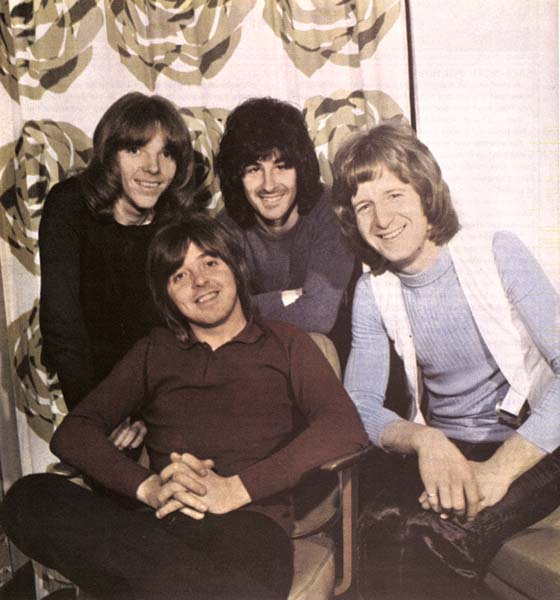
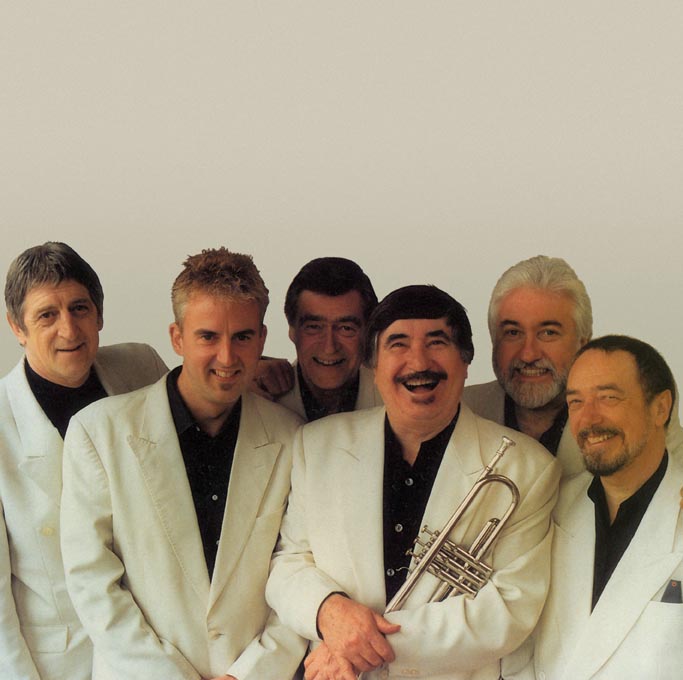
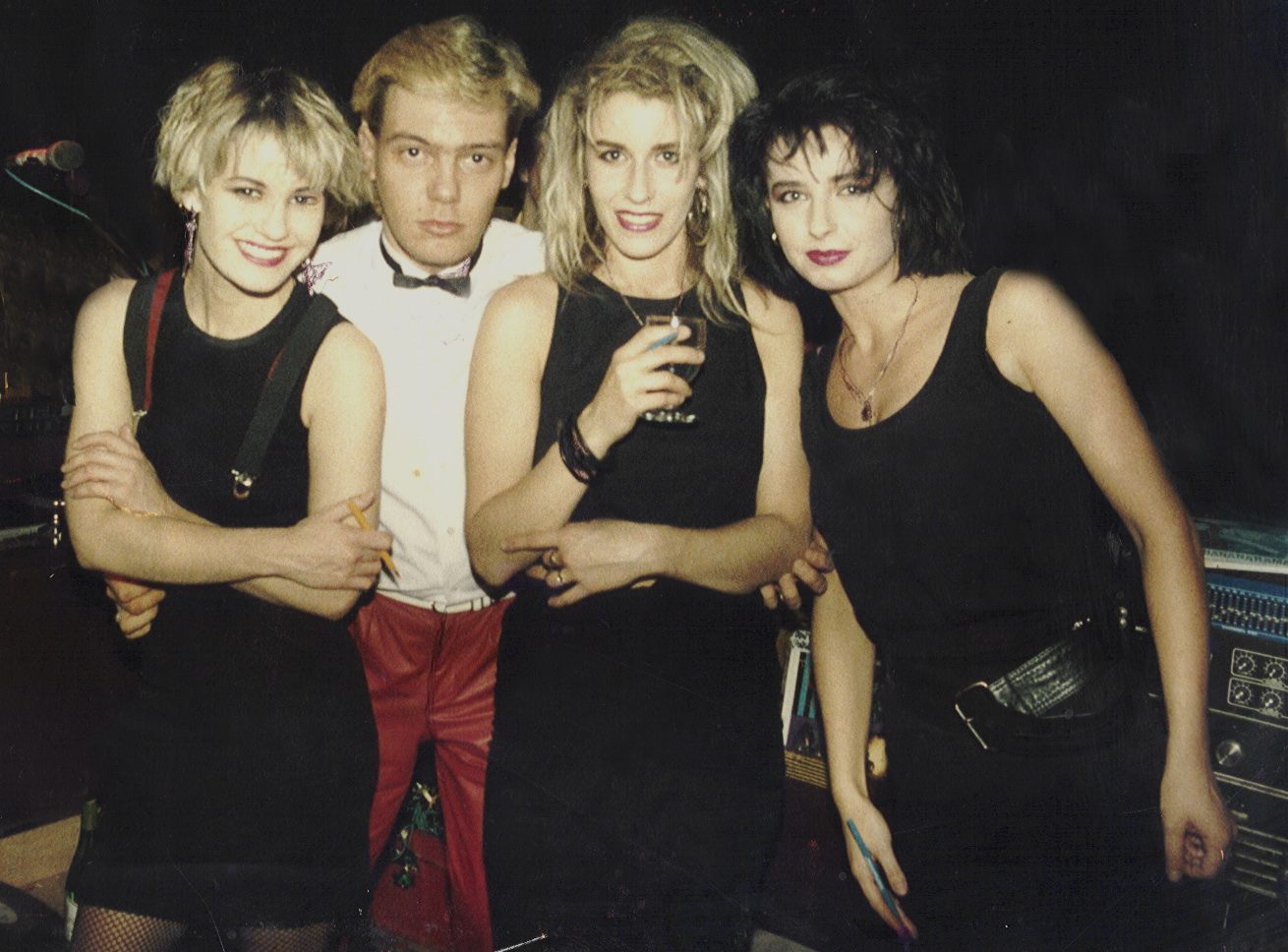
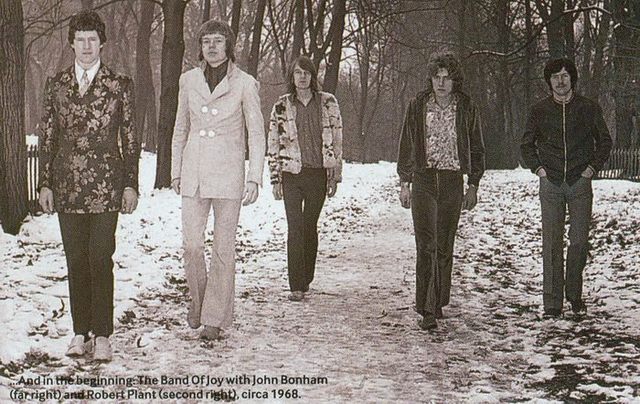
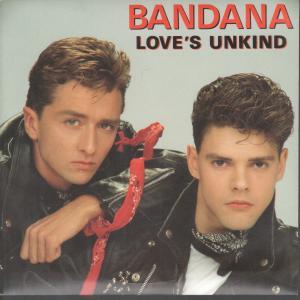
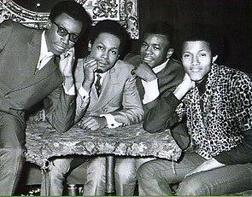
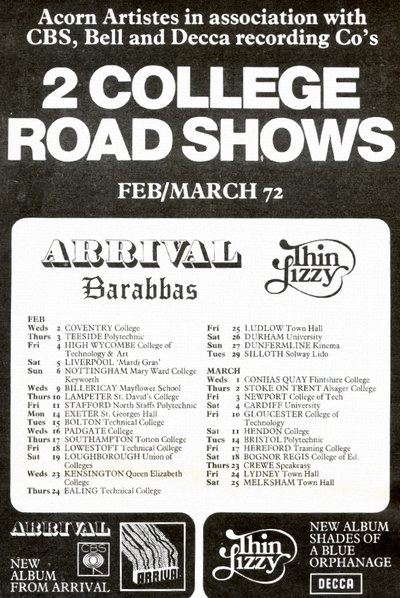
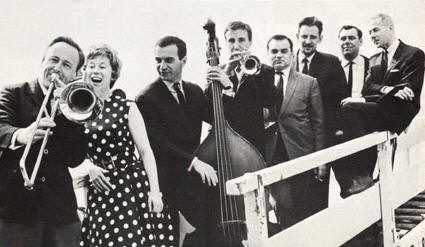
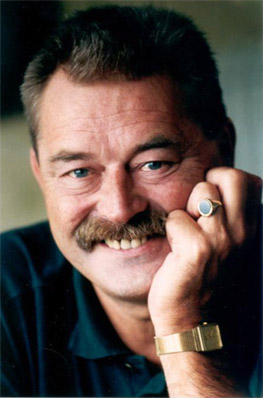
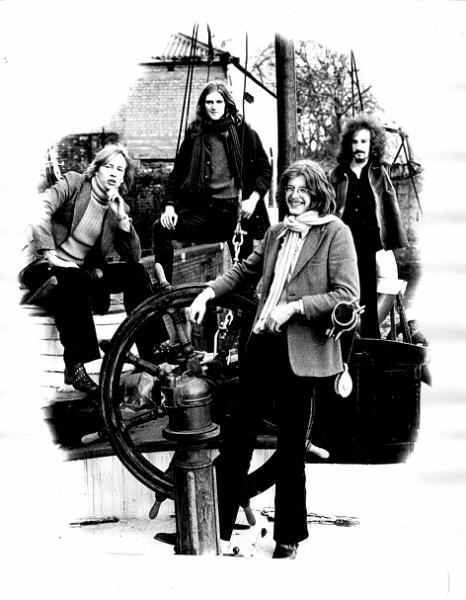
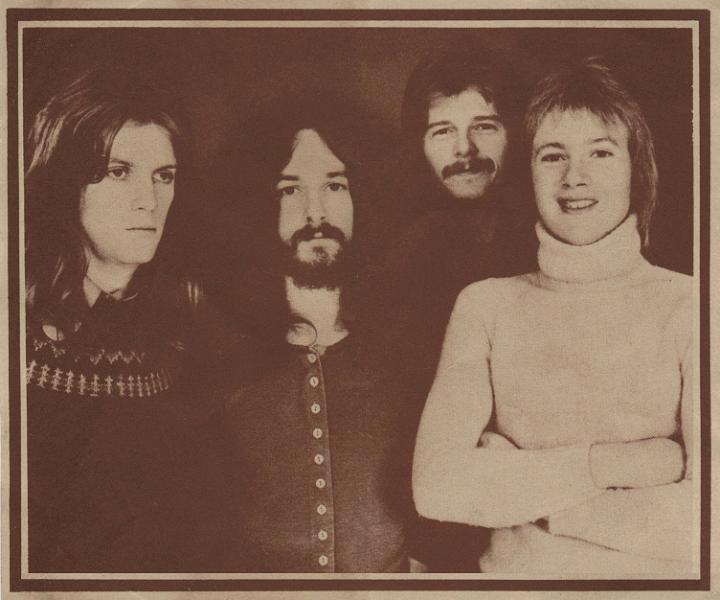
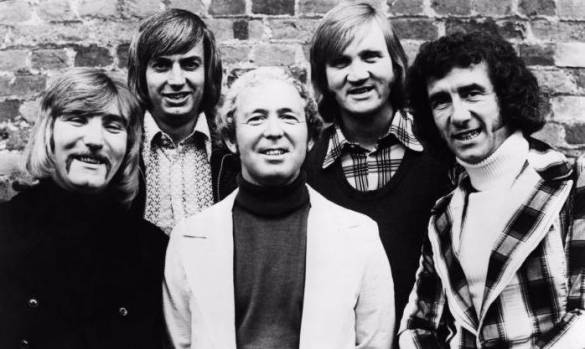
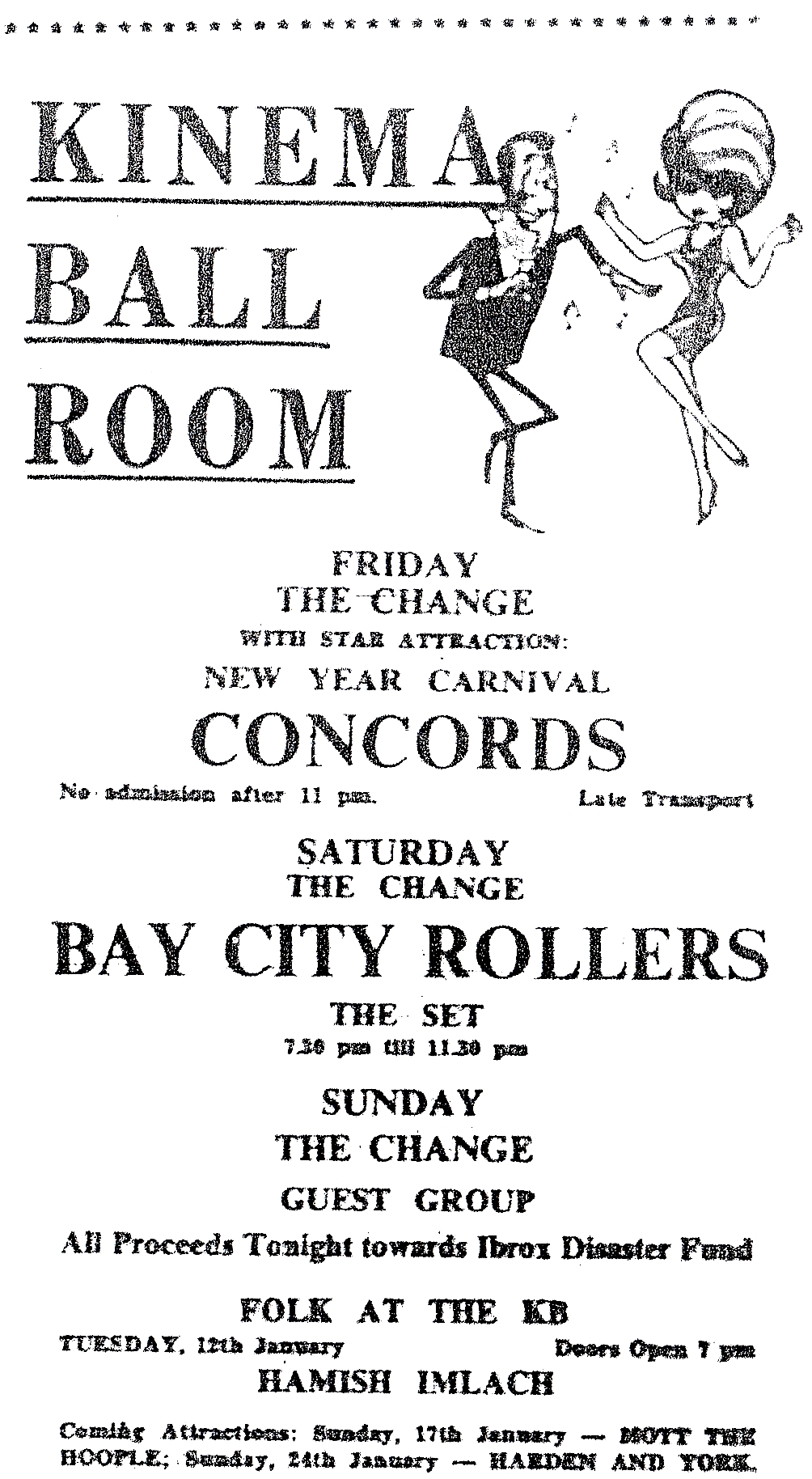

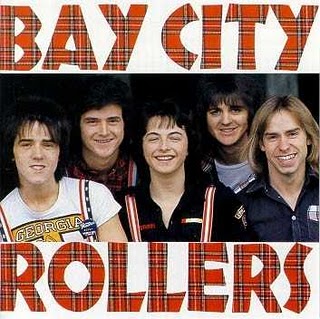
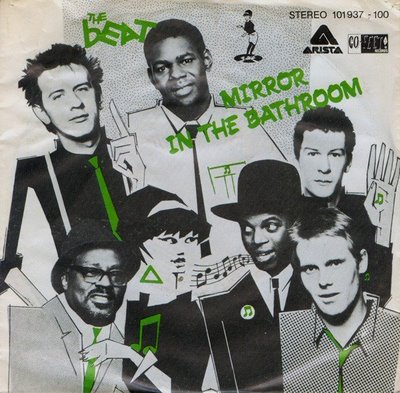
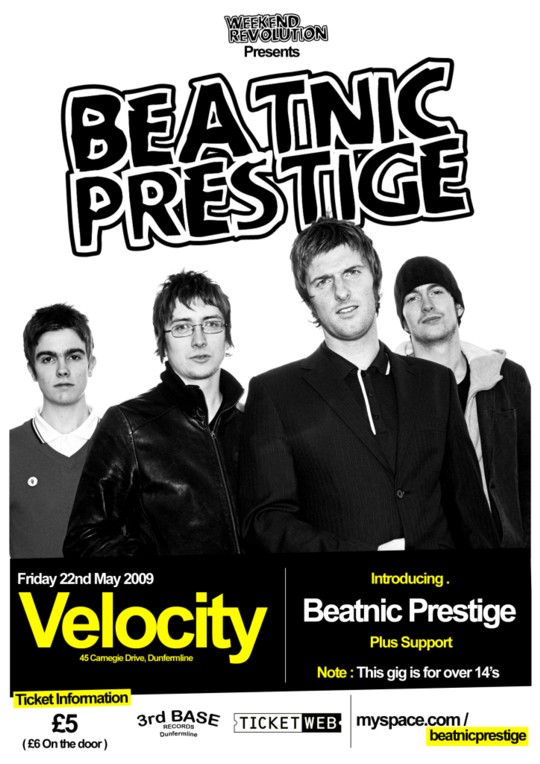
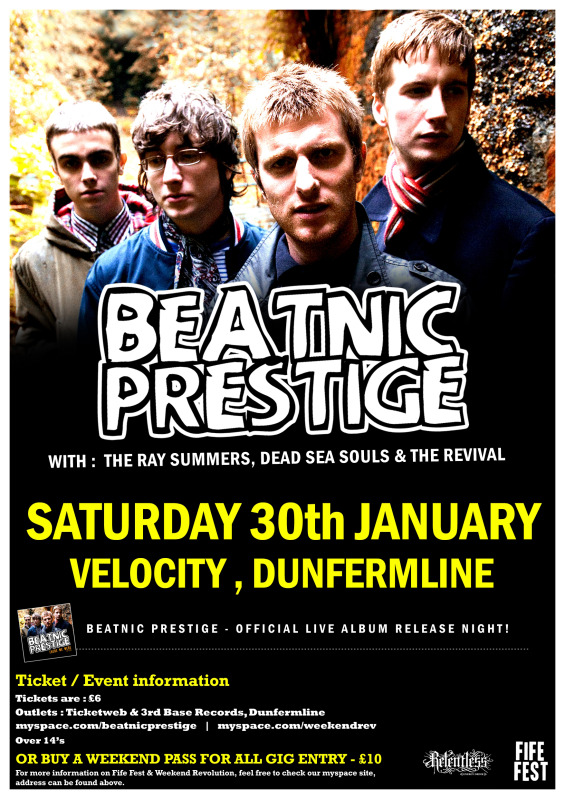
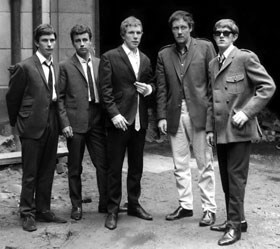
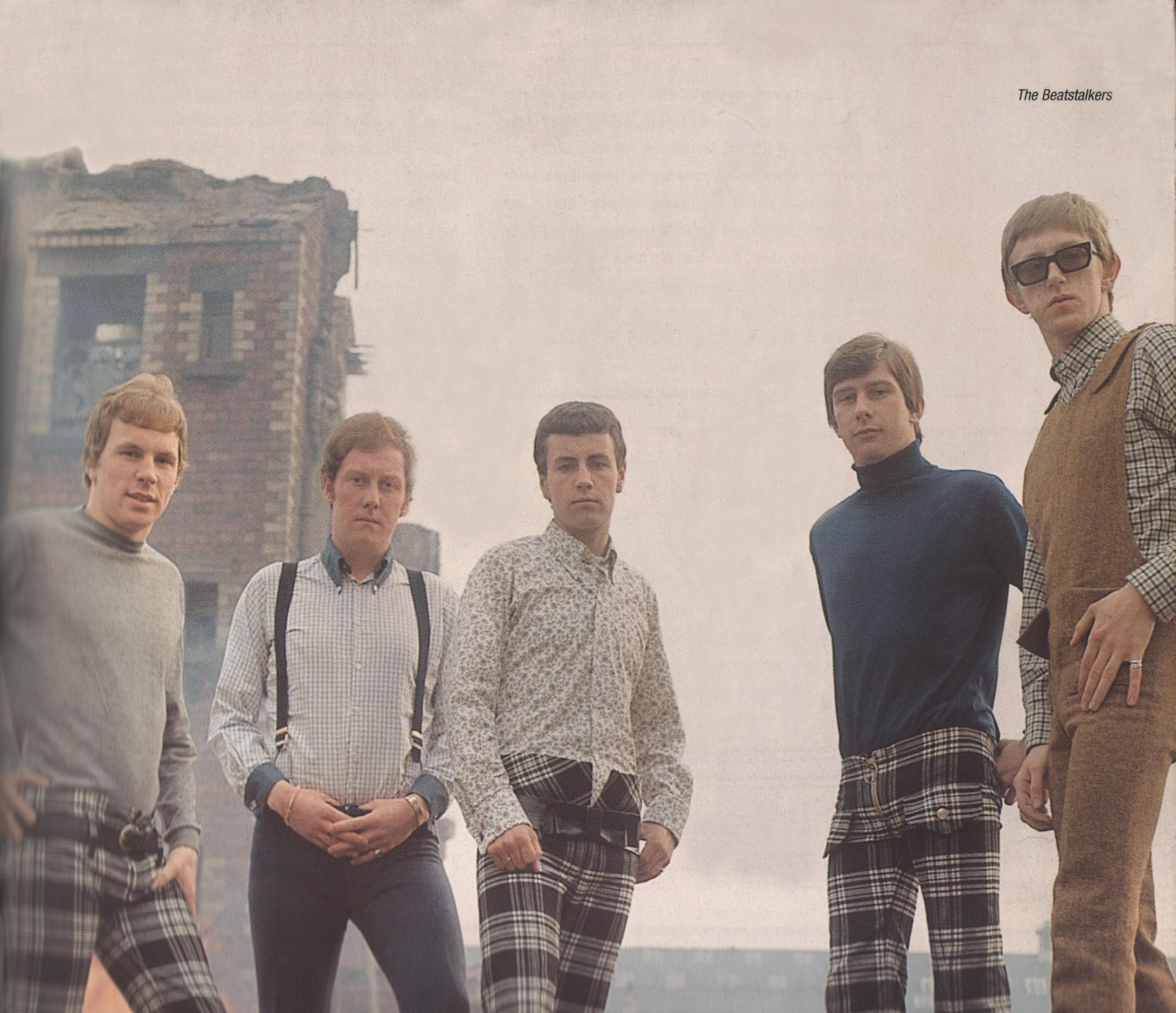
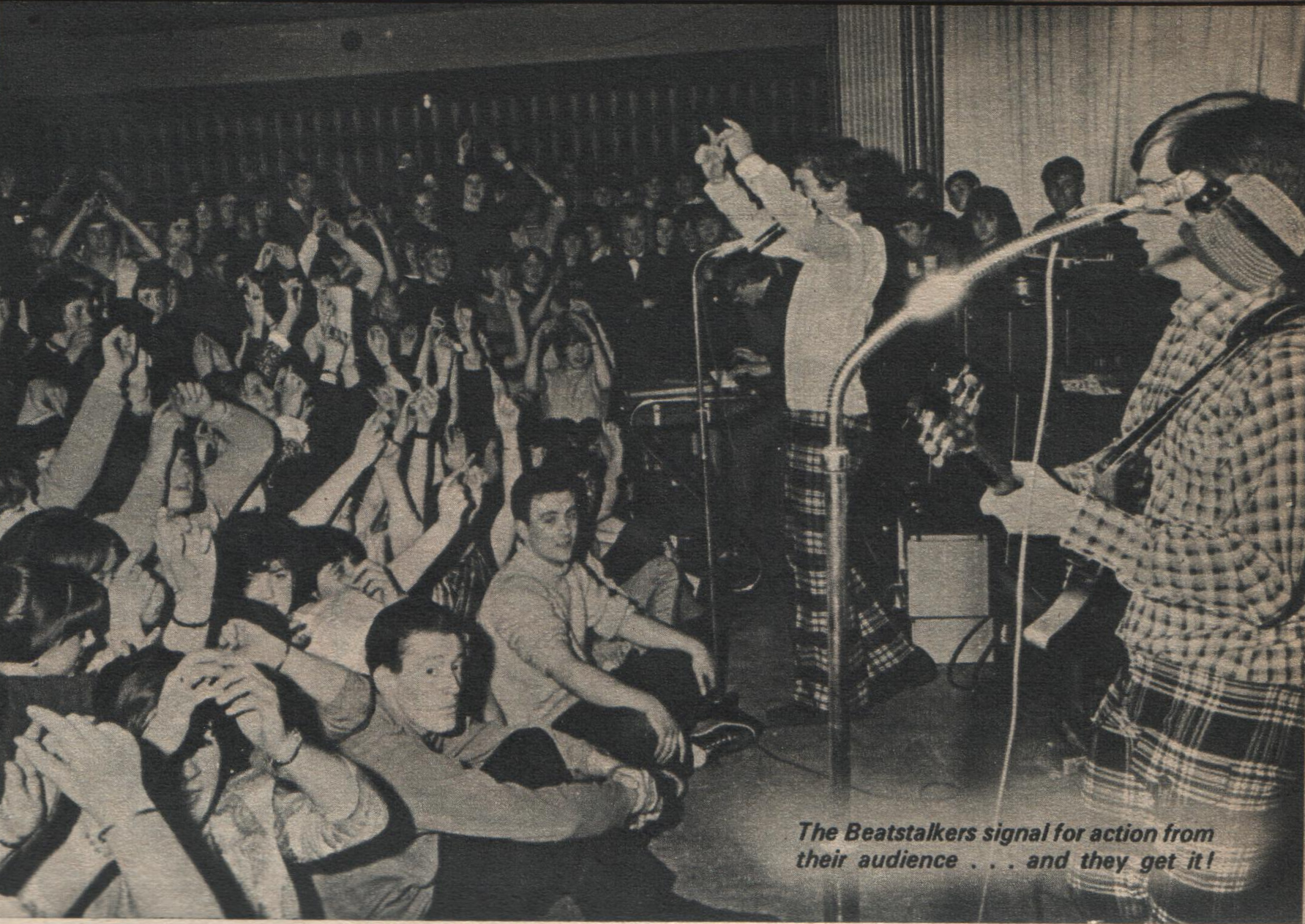
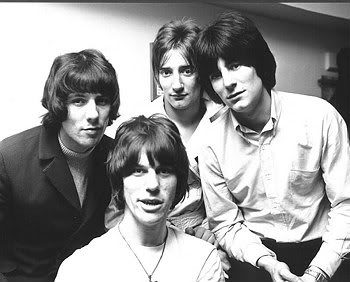
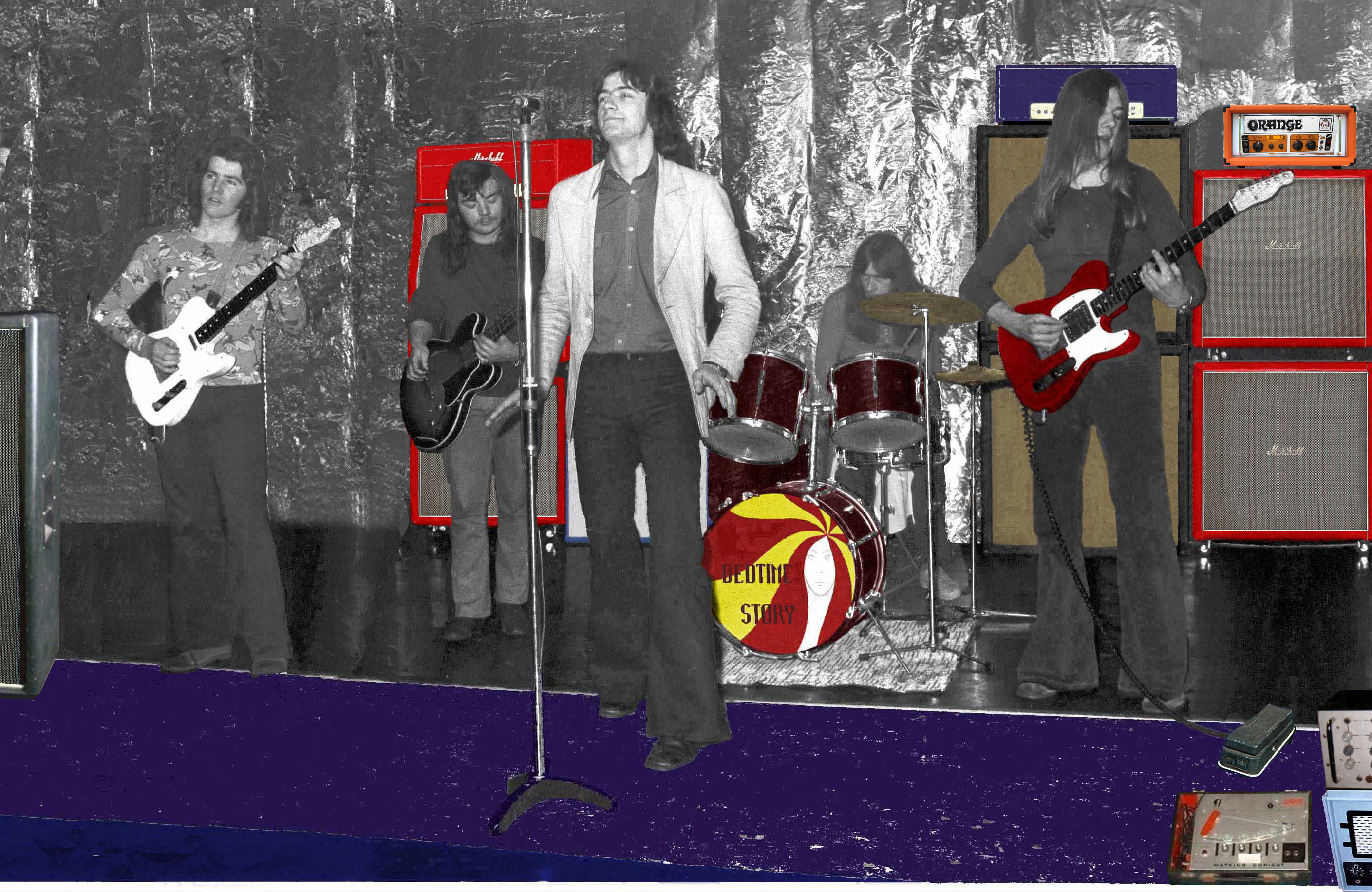
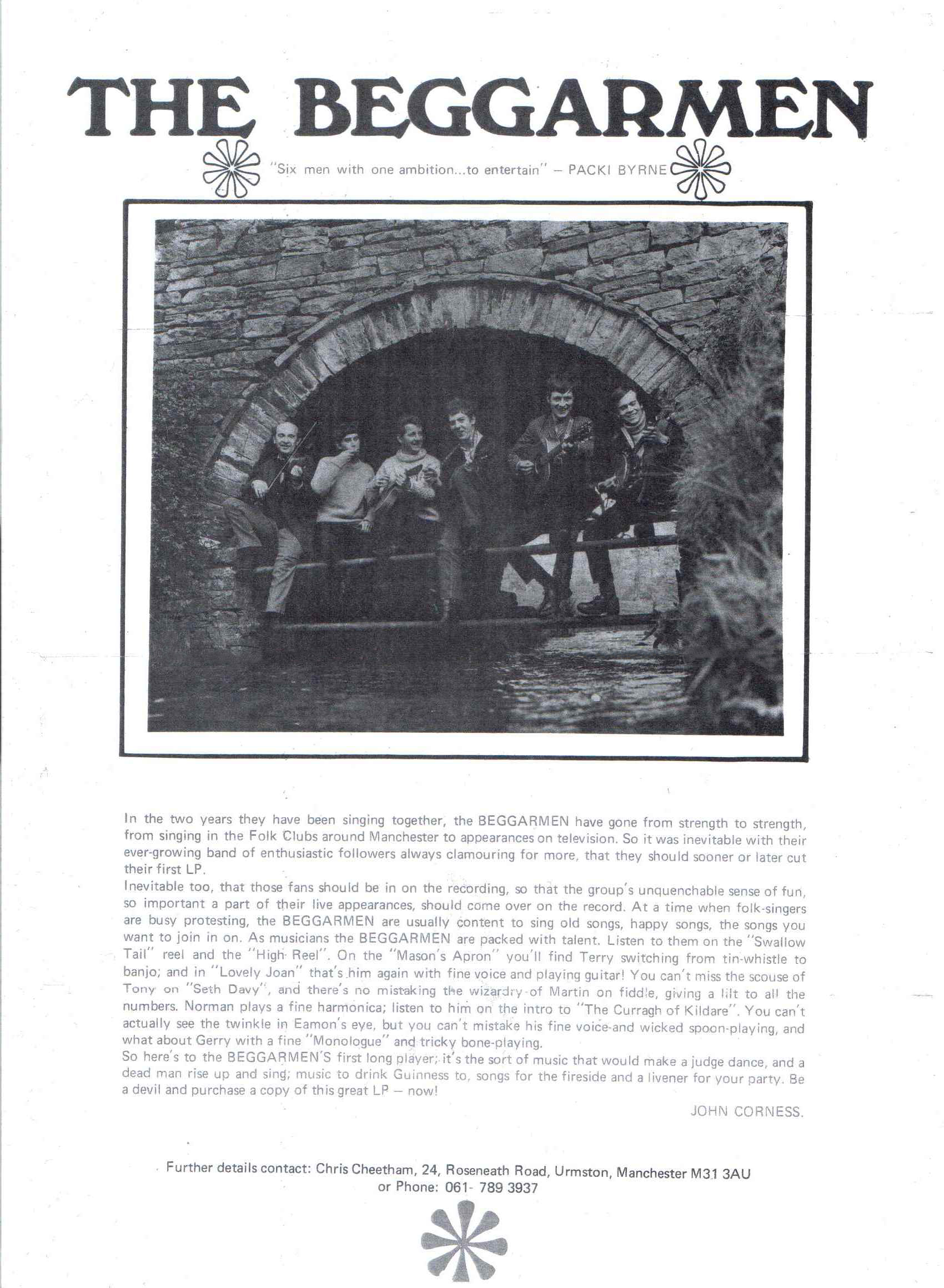
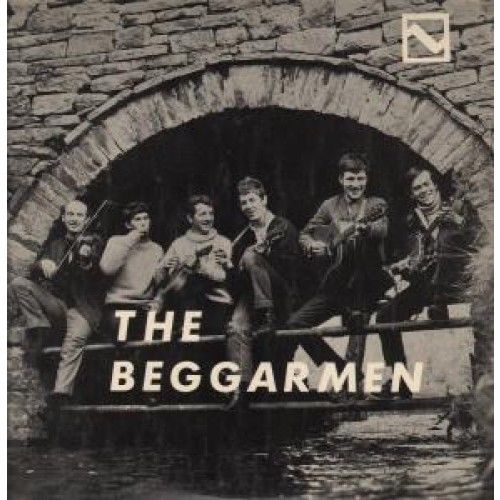
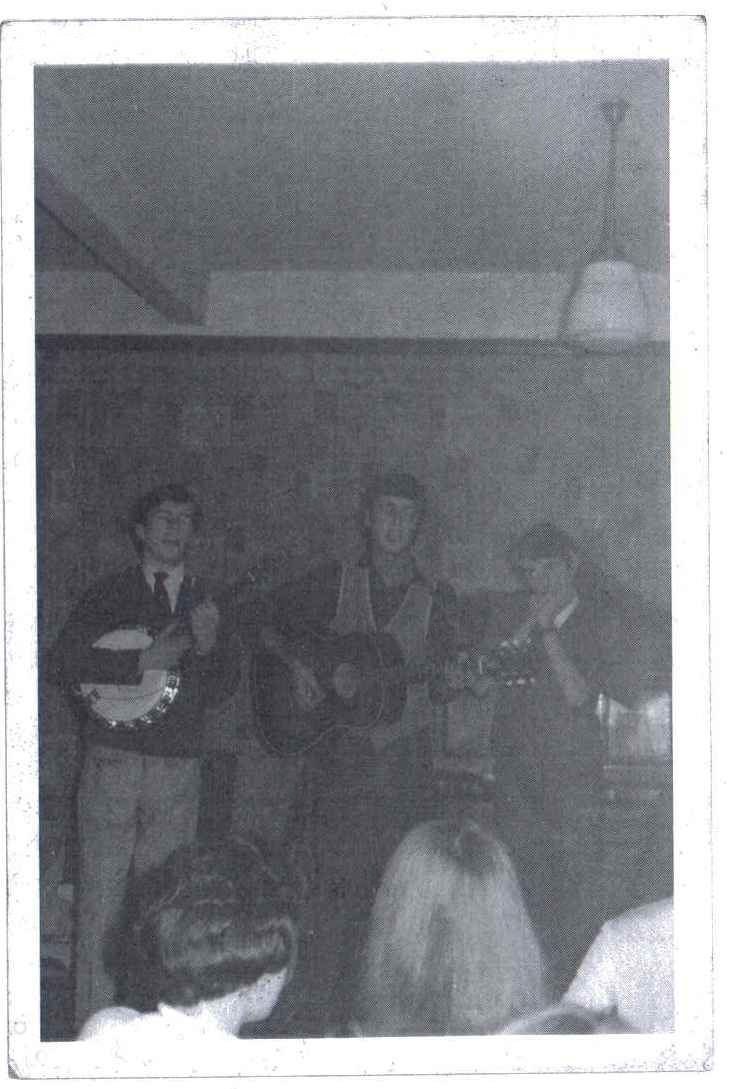
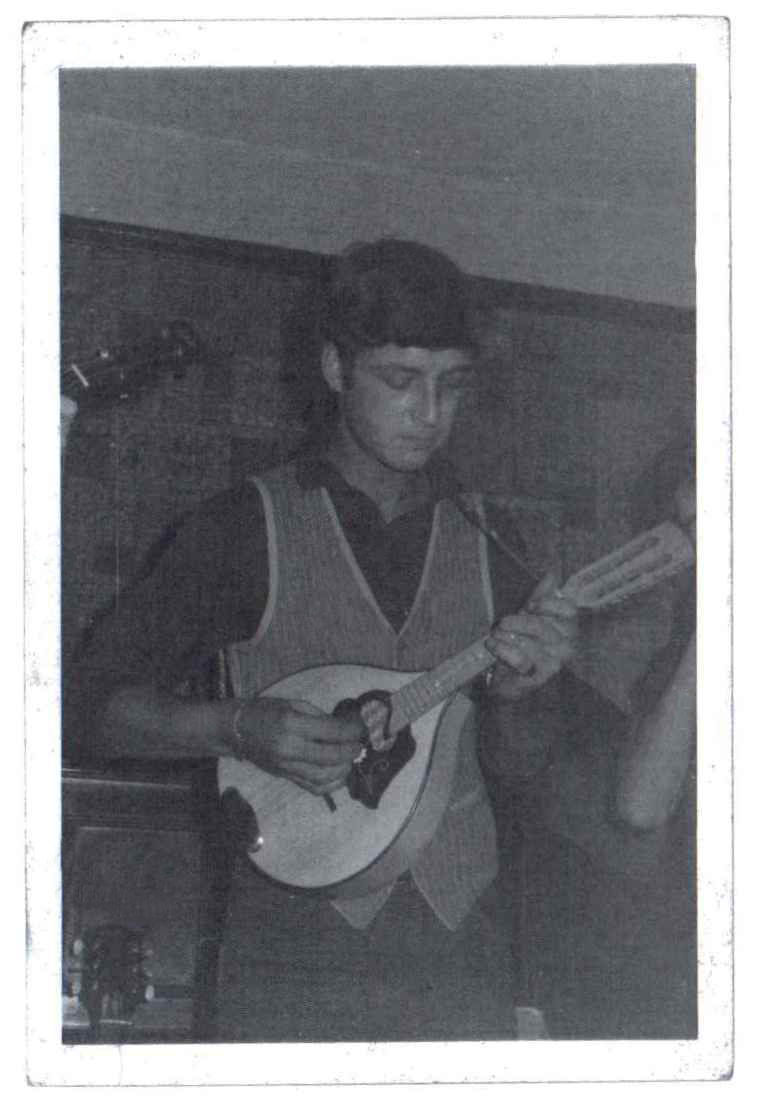
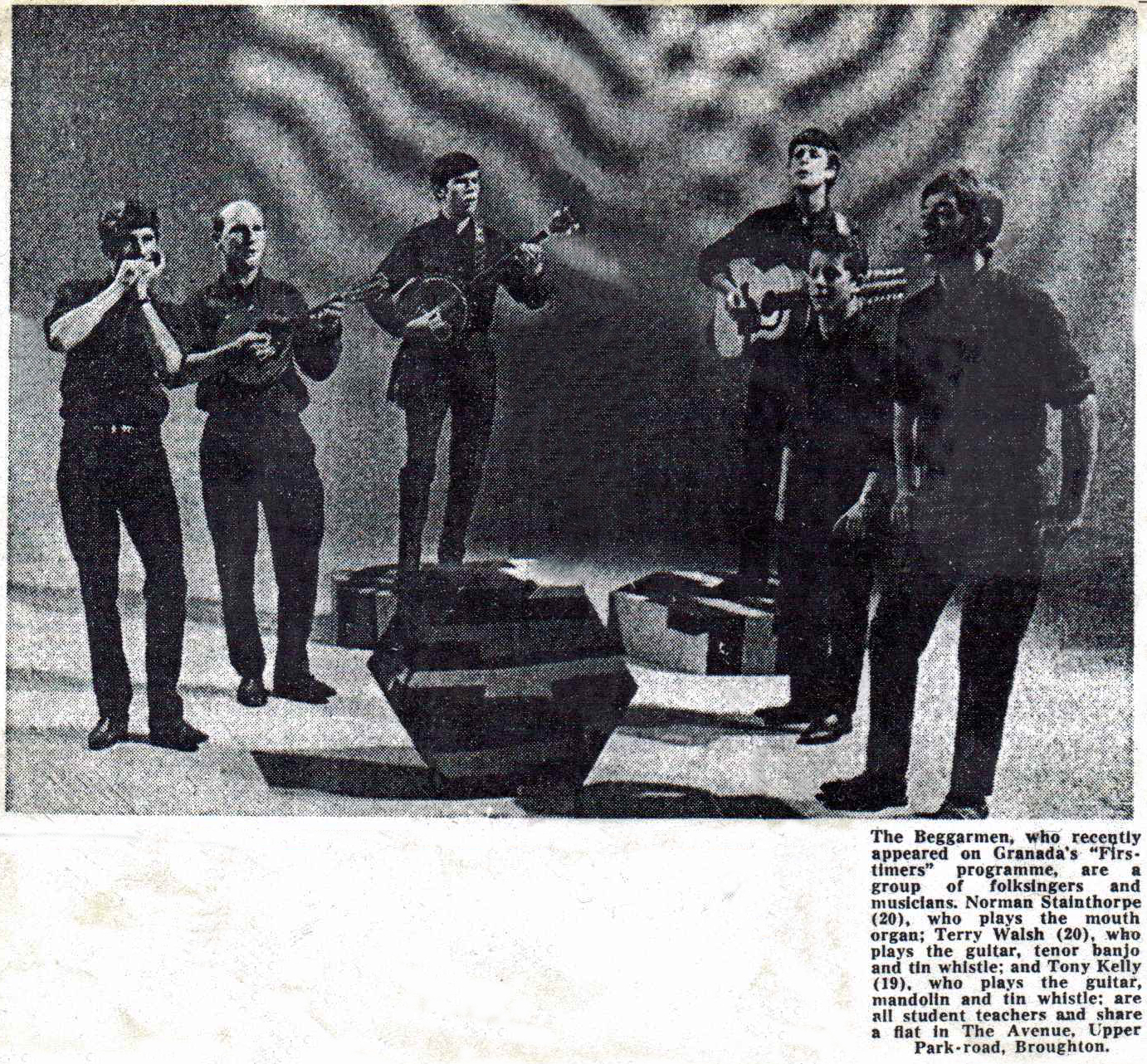
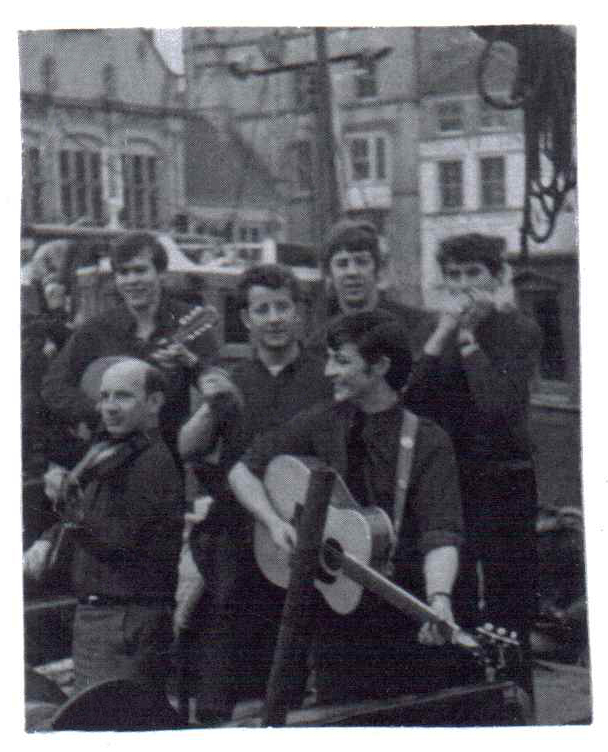
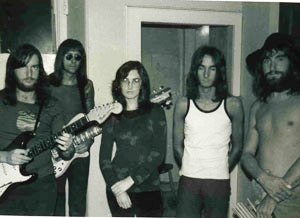
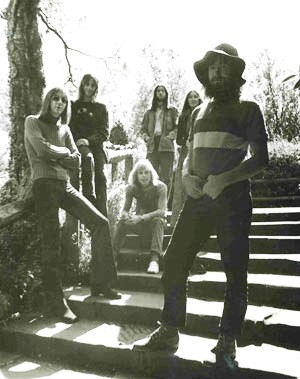
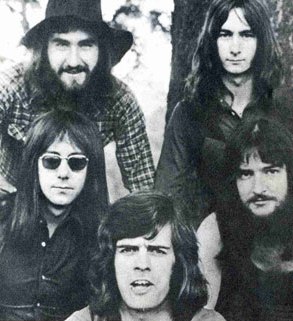
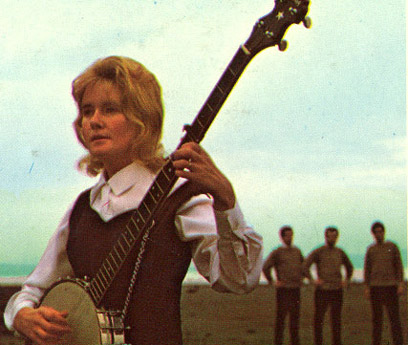
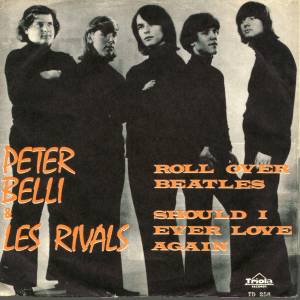
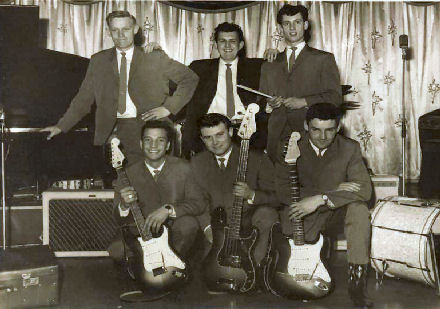
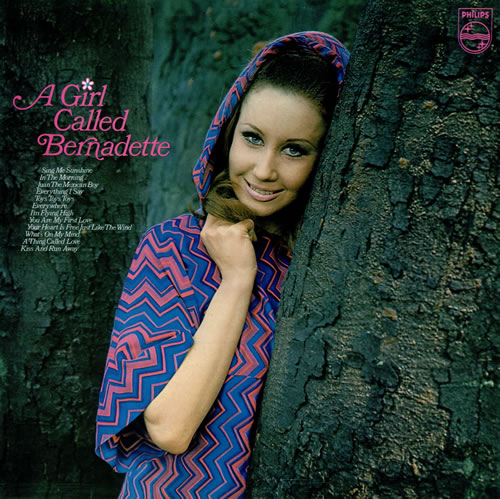
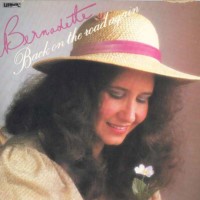
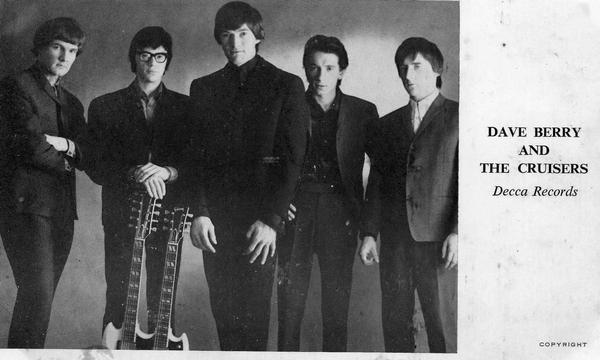
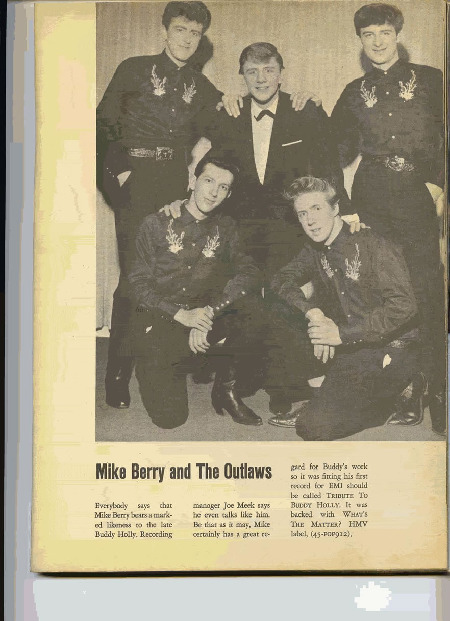
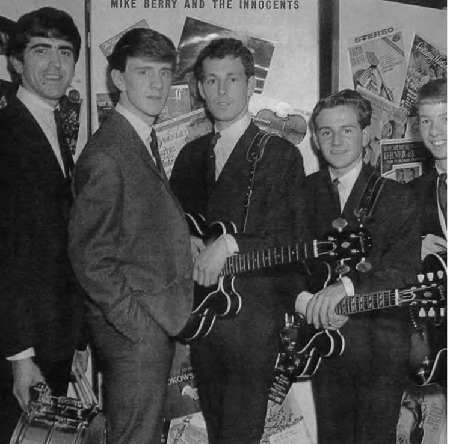
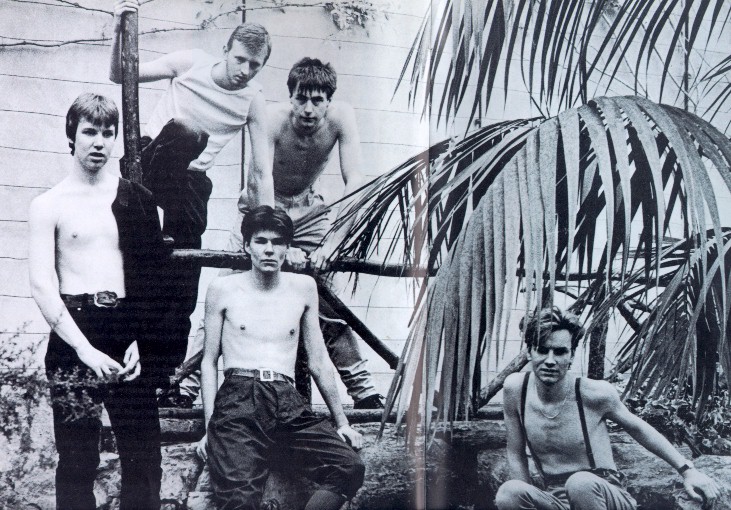
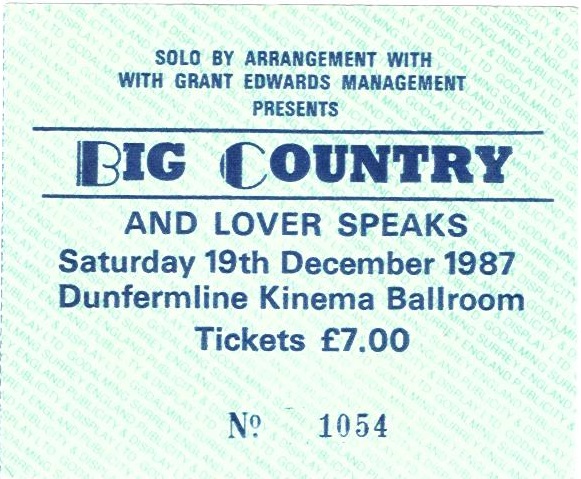
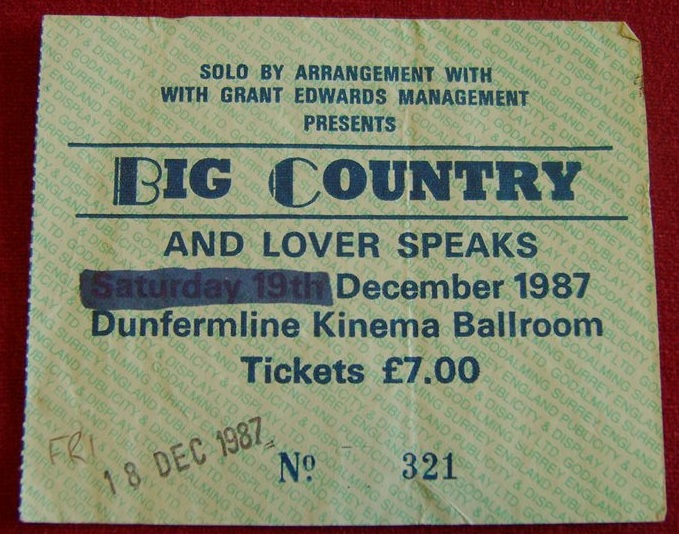
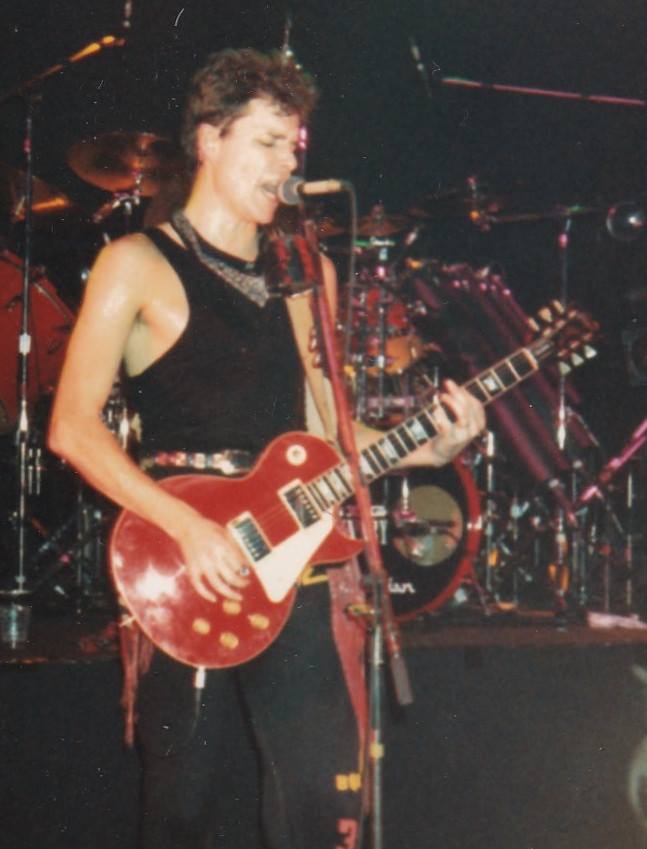
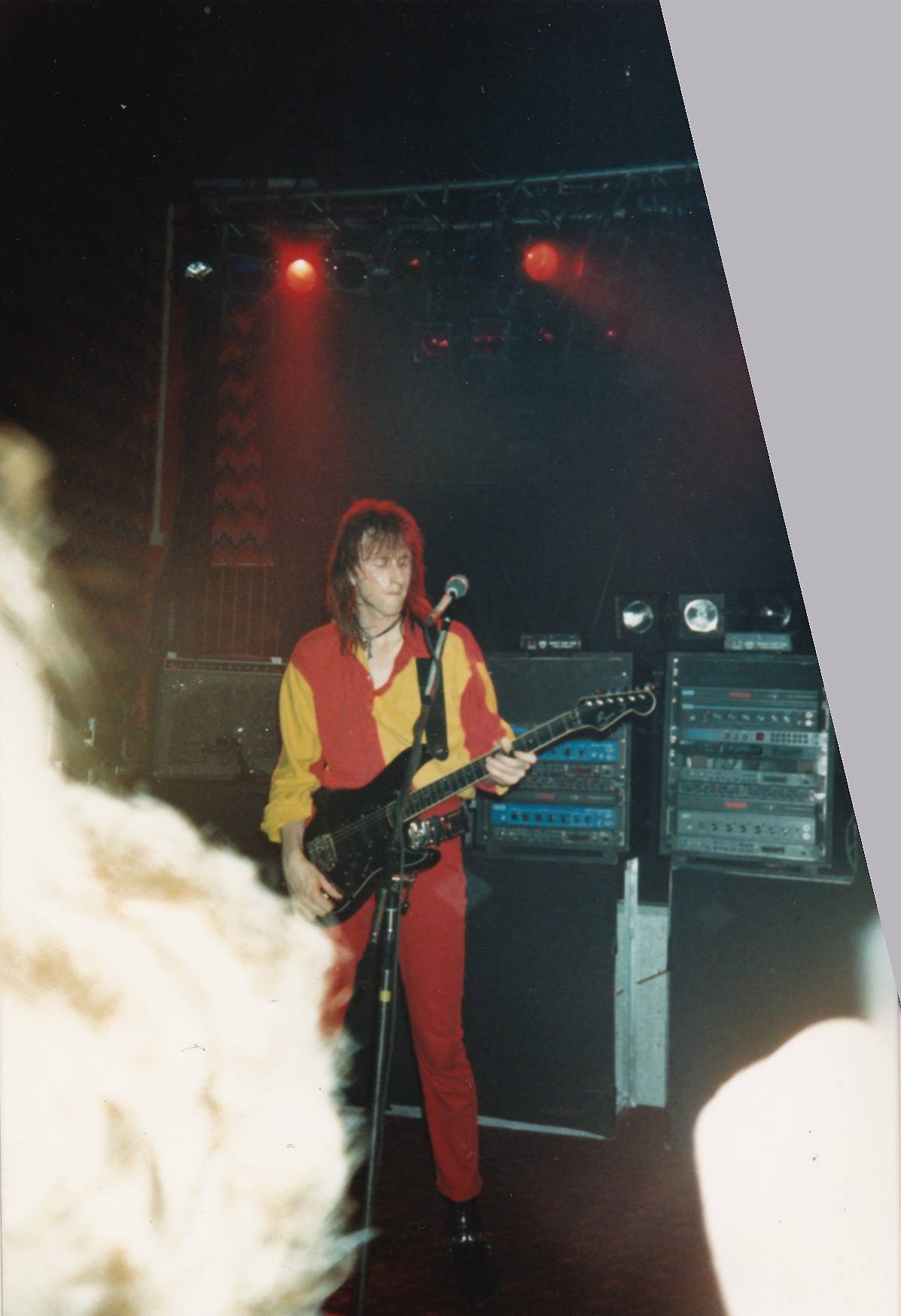
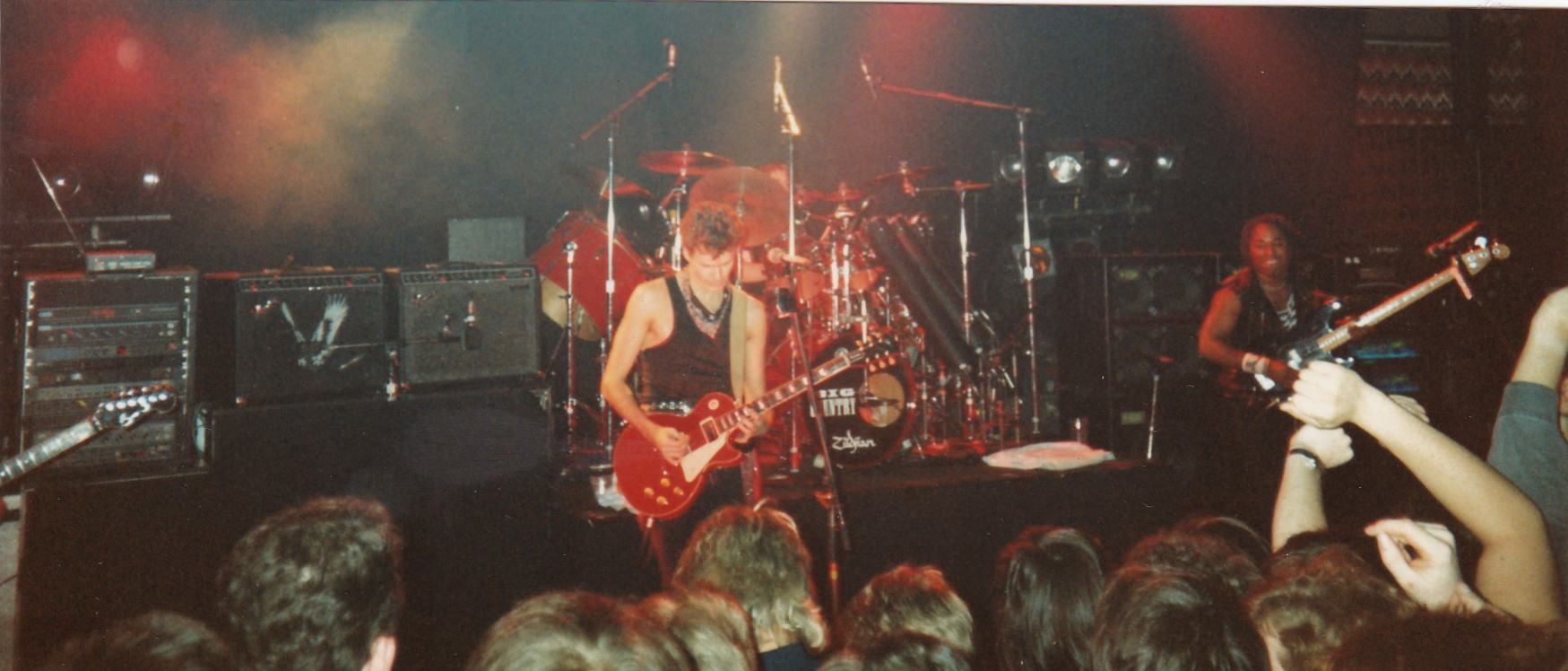
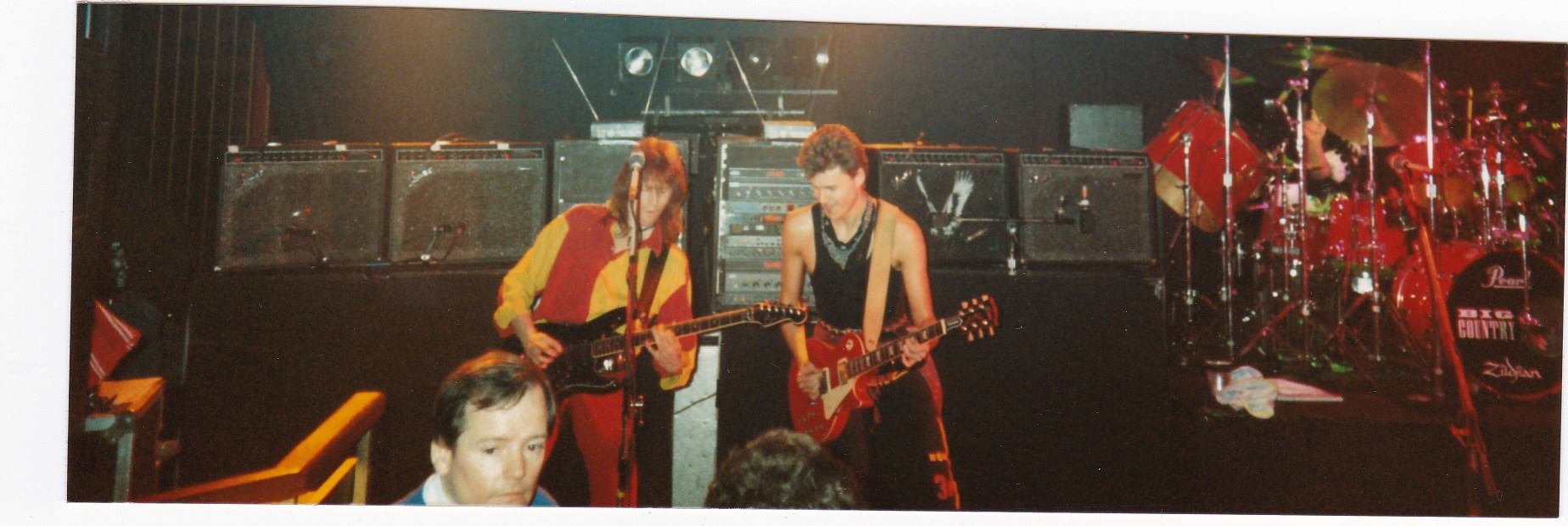
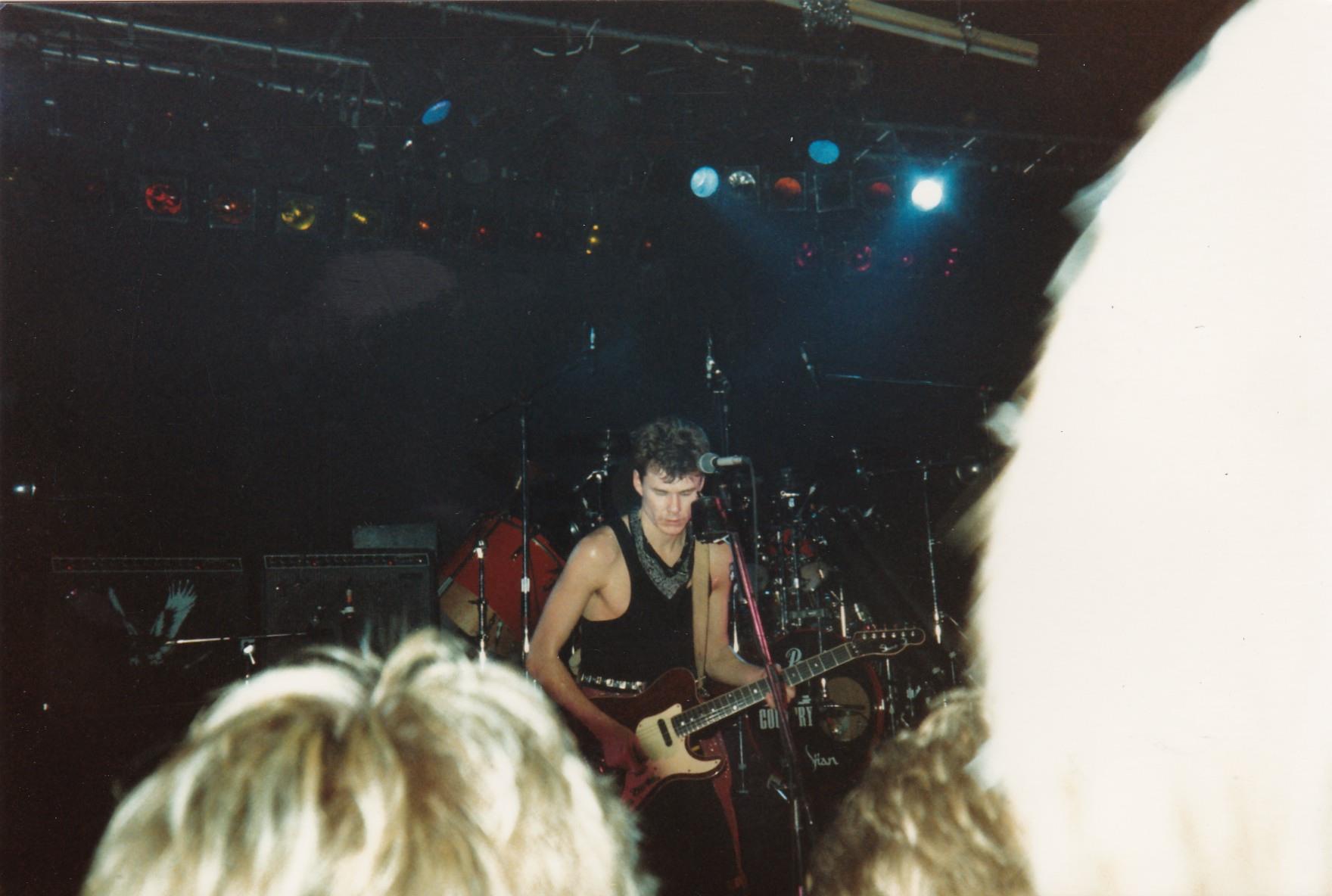
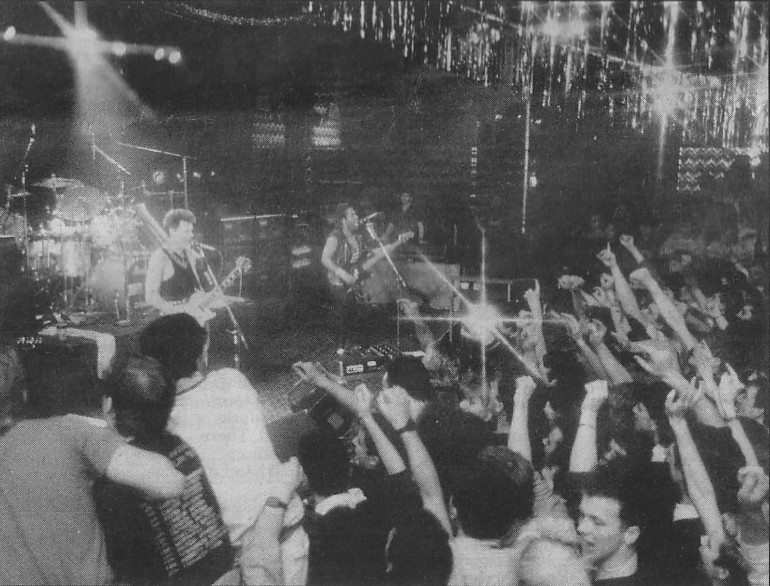

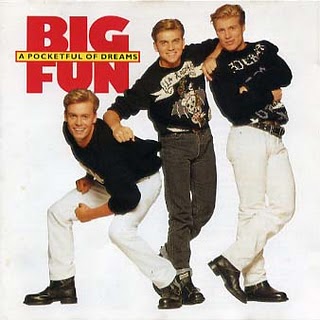
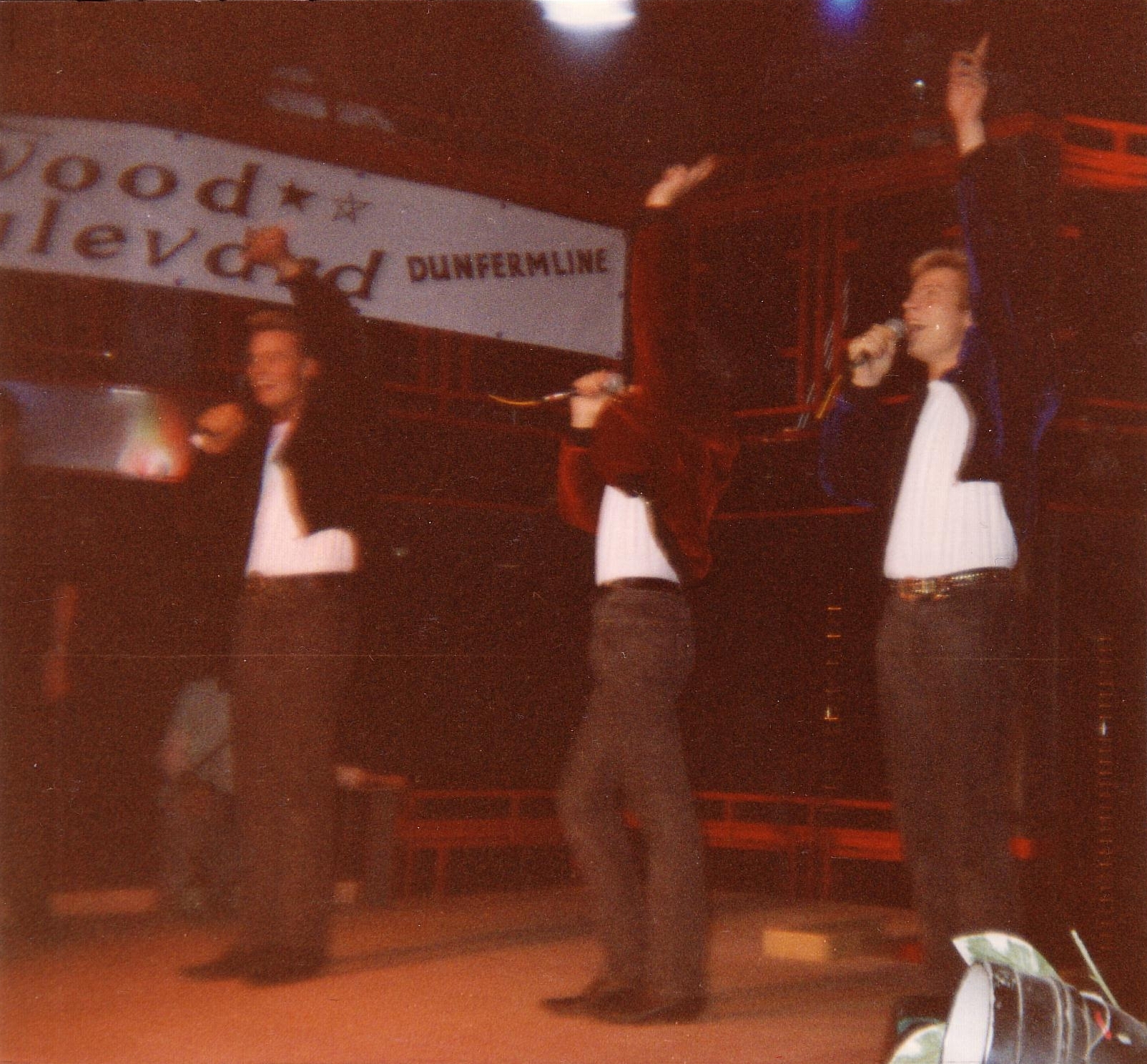
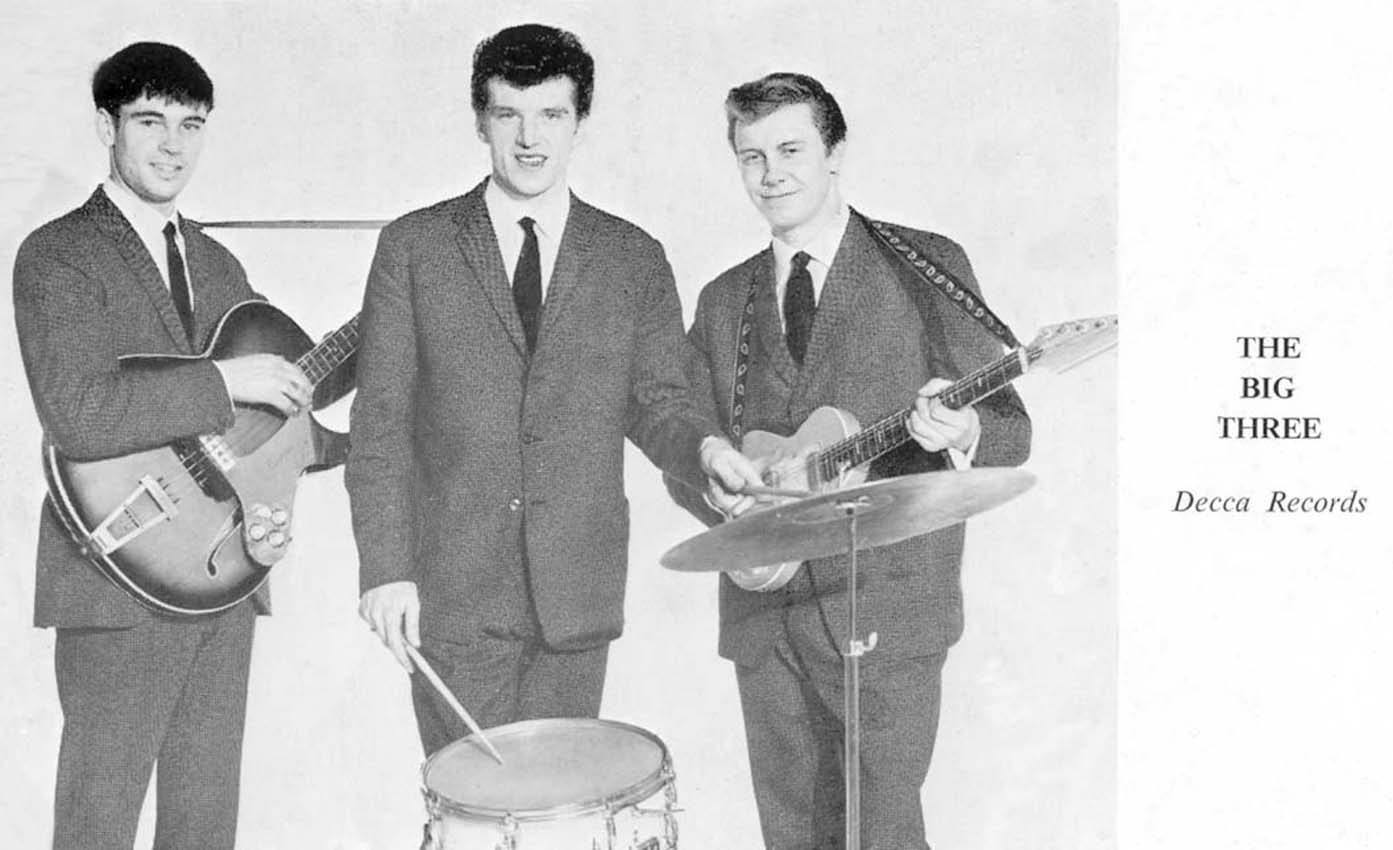
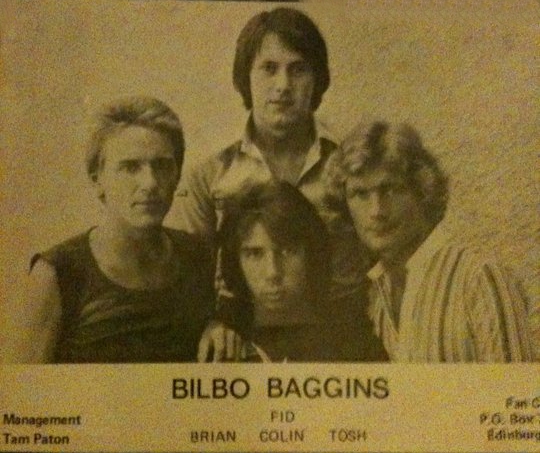
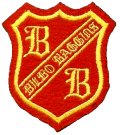
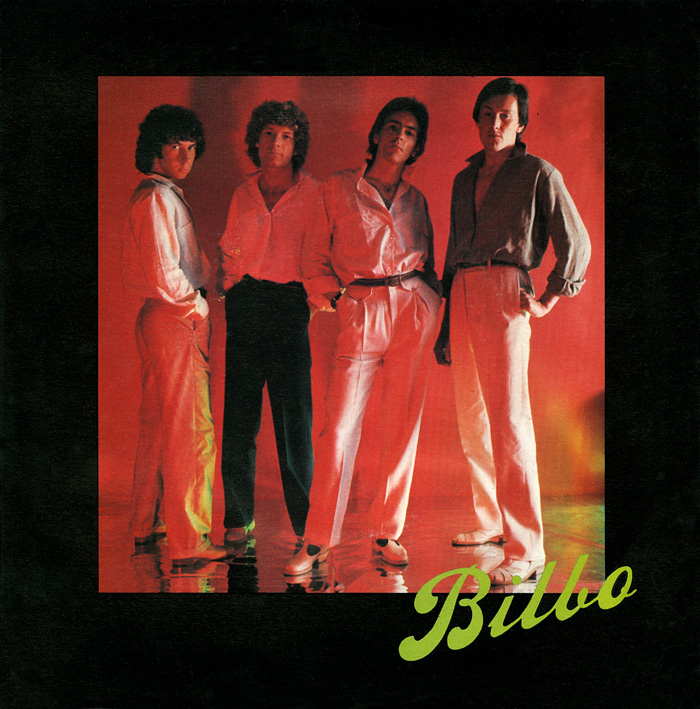
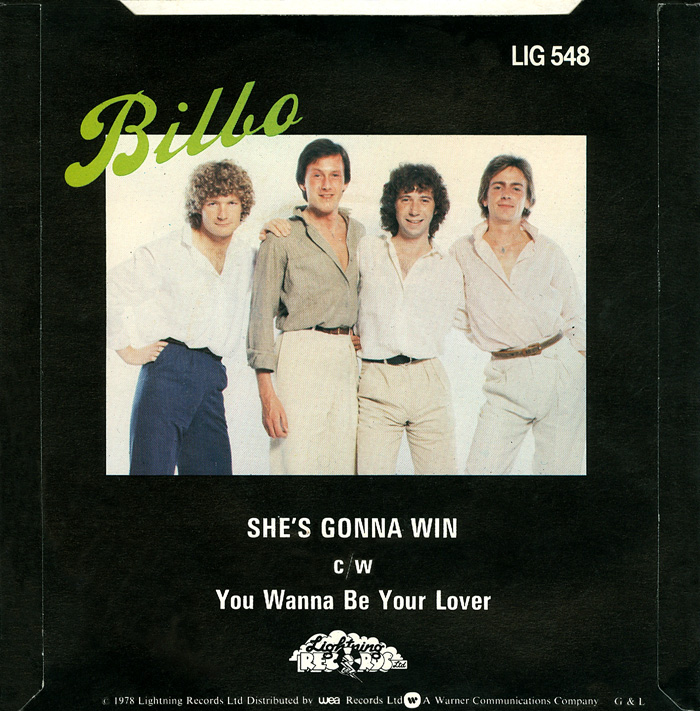


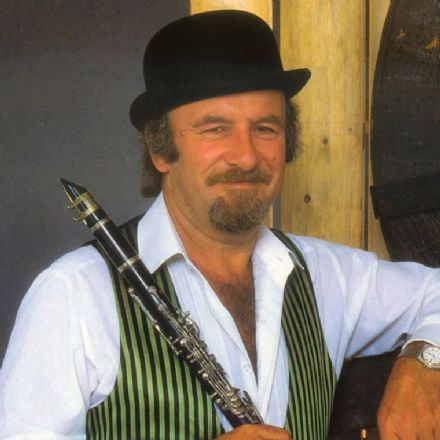
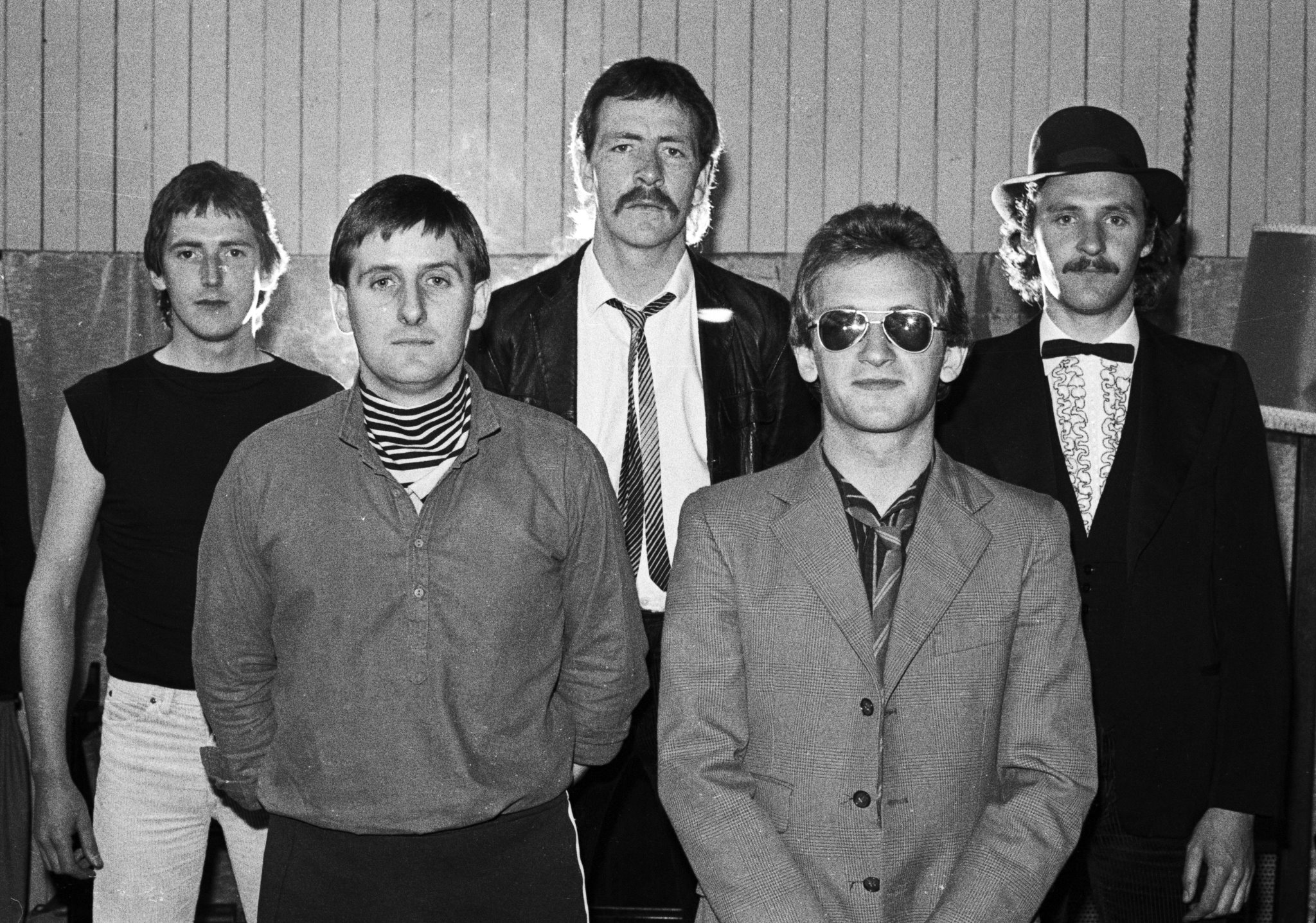
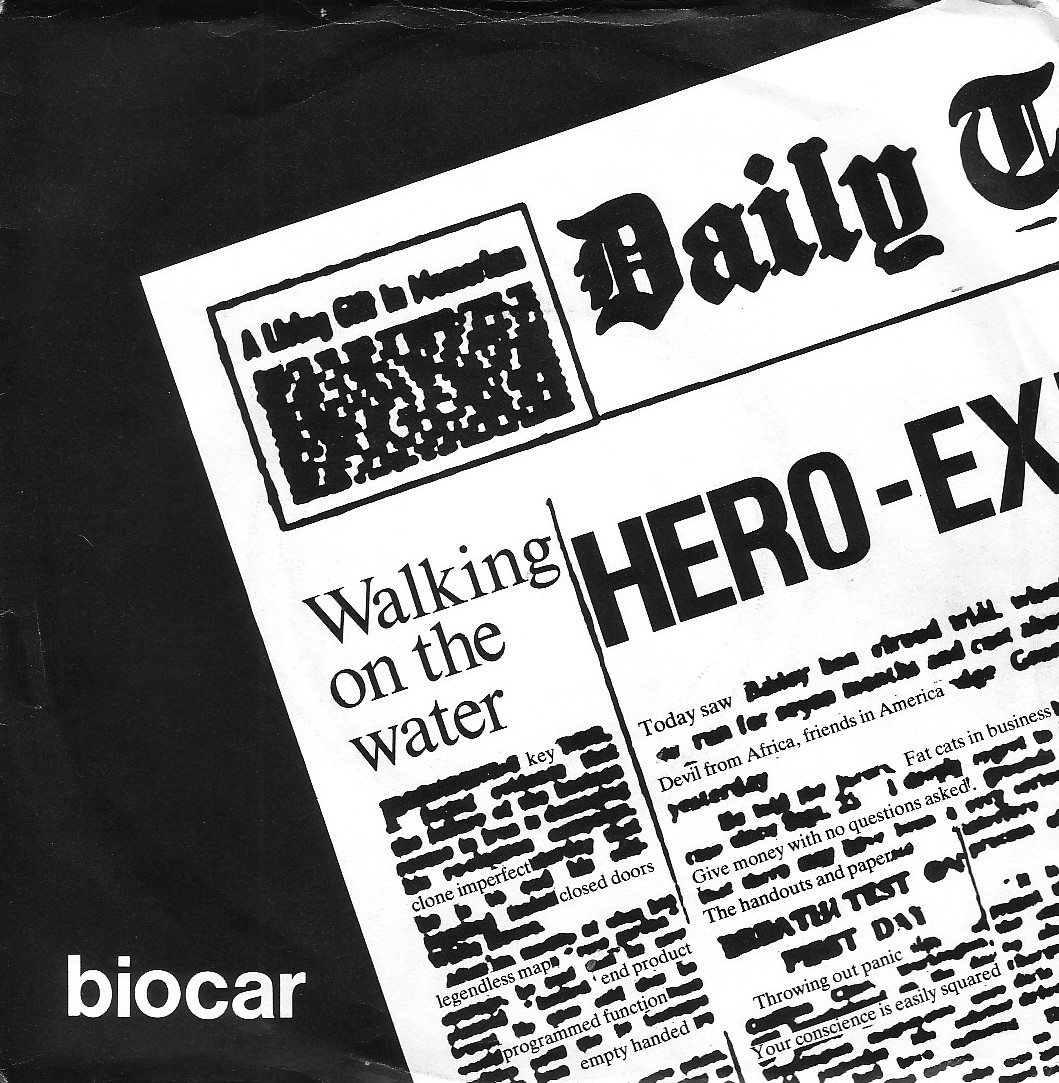
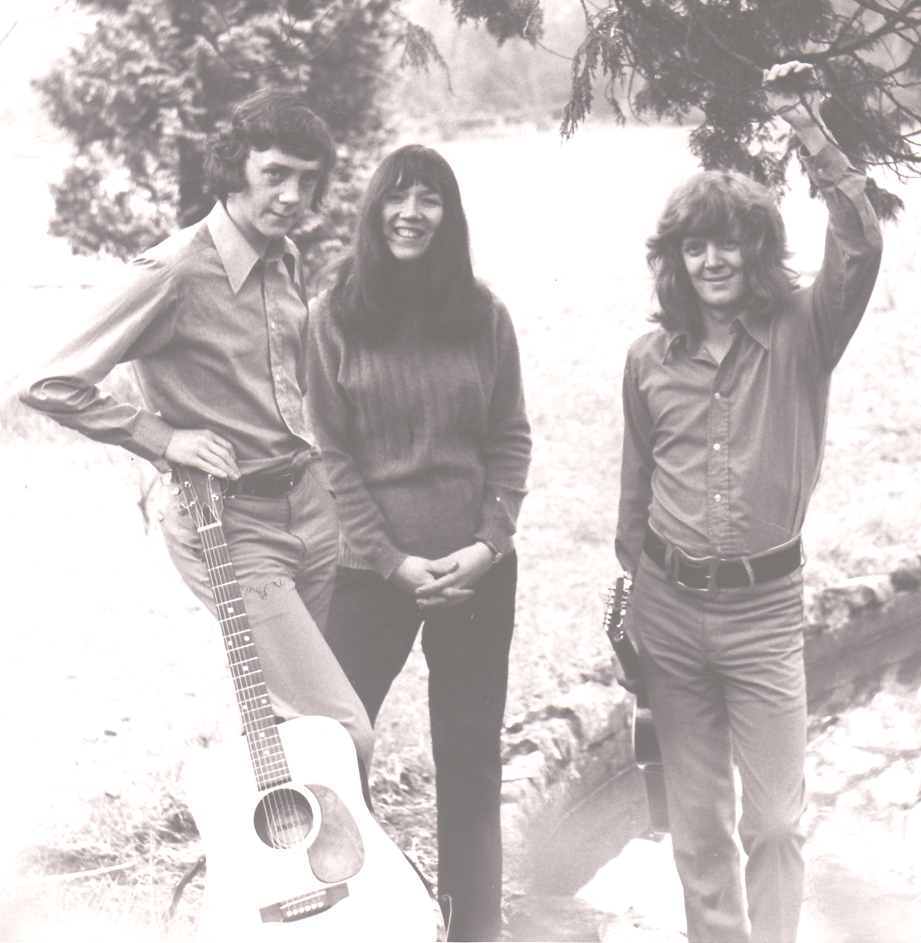
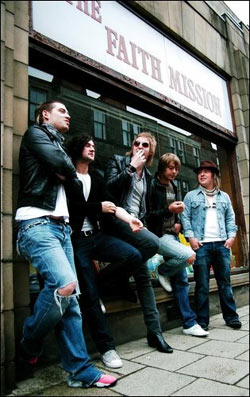
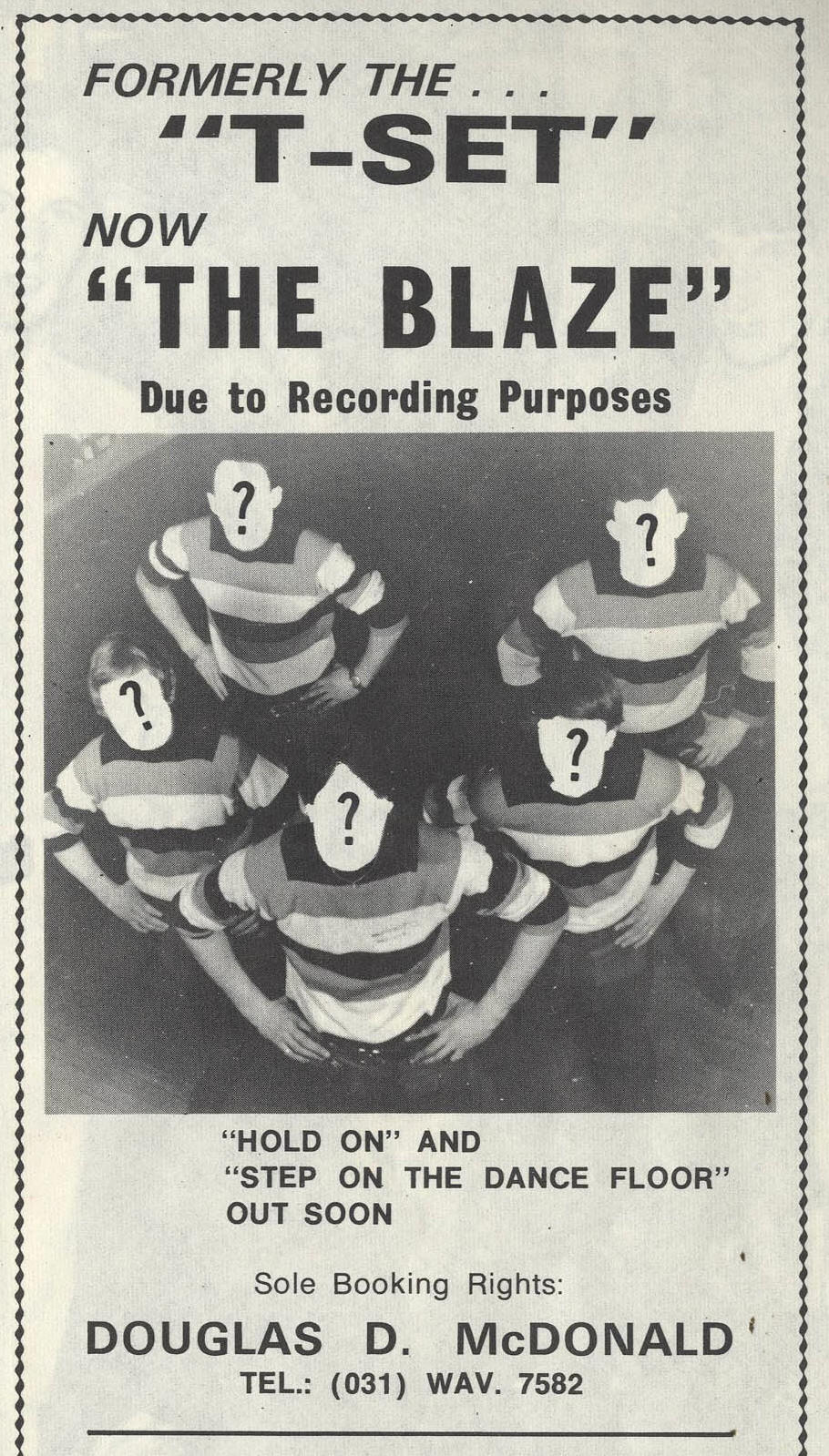
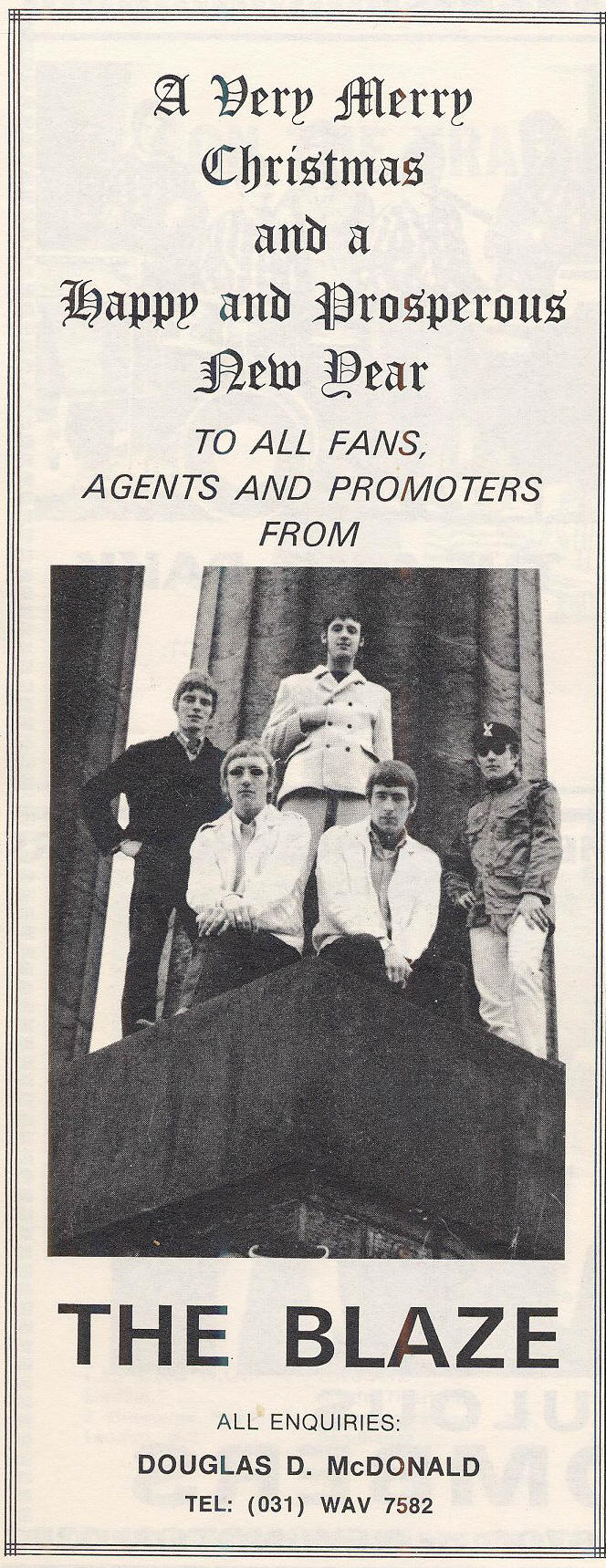
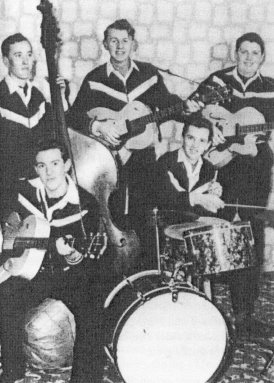
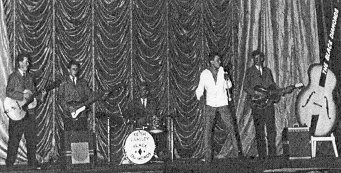
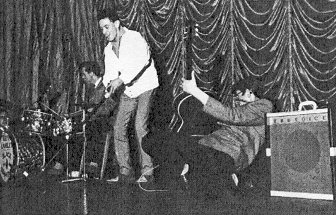
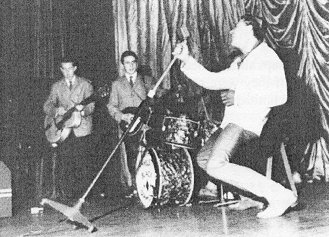
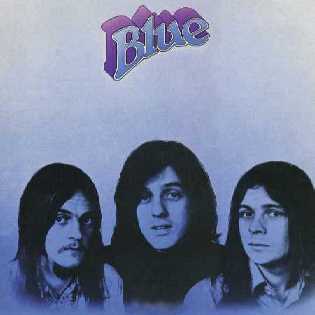
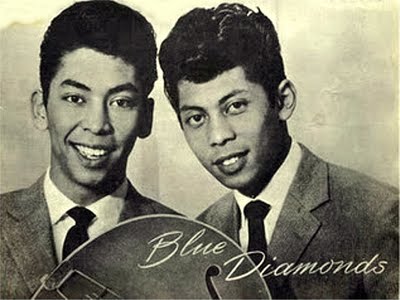
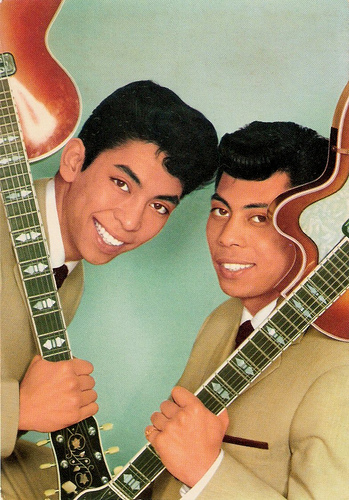
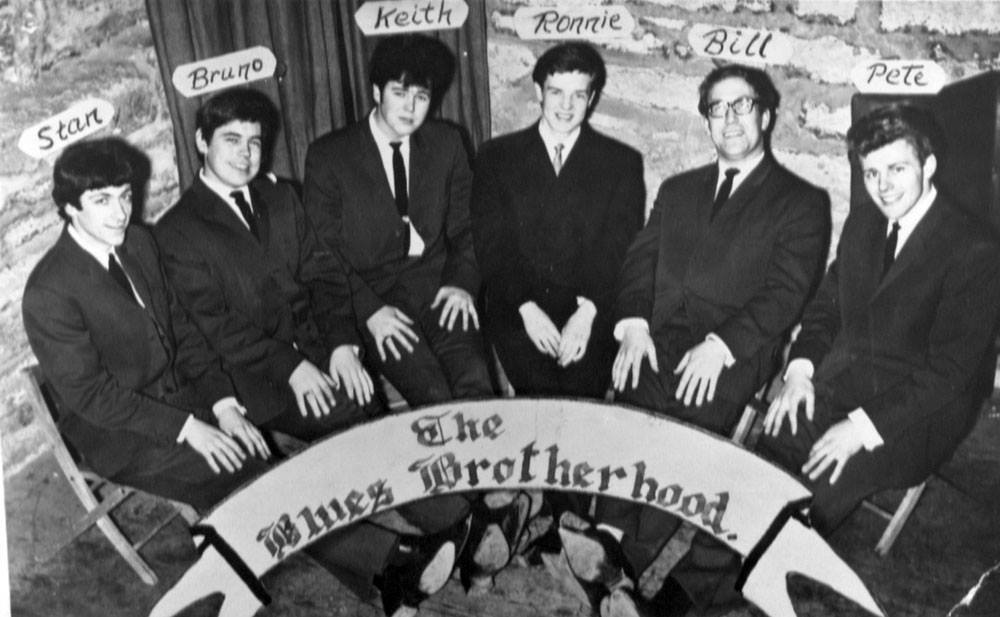
.jpg)